pihtikwê - Visits with First Nations Psychologists
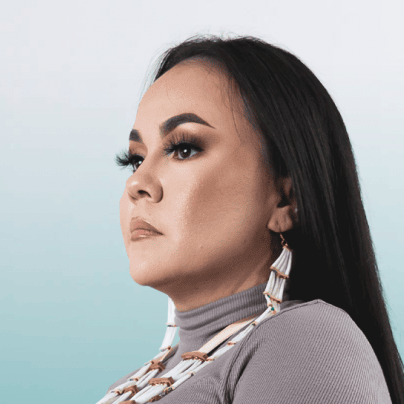
Episode 4: Reciprocity and reconnection: culturally safe, relevant care with Dr. Gwendolyn Villebrun
Jul 13, 2026 · 55 min · 10 segments
Dr. Gwendolyn Villebrun characterizes her early work by the impacts of TRC on Indigenous peoples’ mental health. During TRC, the integrity shown by survivors of the residential school system were…
Dr. Gwendolyn Villebrun characterizes her early work by the impacts of TRC on Indigenous peoples’ mental health. During TRC, the integrity shown by survivors of the residential school system were simultaneous with the reopening of emotional wounds. Dr. Villebrun shares many successes from her career, yet she sees psychology as being far from offering culturally safe and relevant services for Indigenous peoples. Accountability from powerful systems and collaboration with communities is needed to drive meaningful change. Our Hosts: Dr. Alanaise Ferguson is a member of the Sandy Bay Ojibway First Nation and a Registered Psychologist in the Province of BC. She holds an academic appointment at the University of British Columbia Okanagan in Syilx Territory. She has trained and clinically supervised hundreds of Counseling Psychology students over the past 9 years in her academic roles at Simon Fraser University and the University of British Columbia. Dr. Holly Graham is a member of the Thunderchild First Nation in Saskatchewan. She holds an academic appointment at the University of Saskatchewan. She also has an Indigenous Research Chair in Nursing. She has worked as a Registered Nurse in northern communities and is a Registered Doctoral Psychologist. Dr Brenda Restoule is an Anishinabe-kwe and member of Dokis First Nation in the Robinson Huron Treaty. She is a Registered Clinical Psychologist in Ontario who works in First Nation communities and also leads the First Peoples Wellness Circle, an Indigenous led national not-for-profit organization that is dedicated to raising the profile of Indigenous mental wellness using Indigenous Knowledge and evidence. Our Purpose: The purpose of our podcast series is to mobilize and share Indigenous Knowledge related to trauma repair, recovery from addictions, community survivance, and care across Indigenous communities in Canada. Our goal is to provide listeners with access to conversations about the lived experiences of First Nations psychologists and leaders in the mental wellness field. We will discuss how that relates to challenges and successes in navigating and working within systems of care, as well as strength-based and cultural approaches to healing for Indigenous people. The podcast episodes will discuss topics related to: 1\) Strength-based approaches to care 2\) Challenges and successes in the field 3\) Personal perspectives and experiences; and 4\) Analysis of the systems of care This podcast series is developed by the Healing from Trauma and Reducing Addictions group, part of the Network Environments for Indigenous Health Research (ON NEIHR) Program. Situated in 10 sites across Ontario, ON NEIHR is demonstrating how health systems should move away from Western biomedical treatment of Indigenous medical illness to holistic, culturally based interventions instead. This program is funded by the Government of Canada, through the Canadian Institutes of Health Research (CIHR). This group is led by Dr. Holly Graham (University of Saskatchewan), Dr. Brenda Restoule (First Peoples Wellness Circle), and Dr. Alanaise Ferguson (University of British Columbia-Okanagan). pihtikwê is produced and edited by Kailee Fawcett. Assistant Producers: Carly Zagozewski & Simon Swanek. Our theme music is Kâkike, written and performed by Fawn Wood, an award winning Cree-Salish musician and songwriter. You can learn more about her music at fawnwood.ca
Dr. Gwendolyn Villebrun characterizes her early work by the impacts of TRC on Indigenous peoples’ mental health. During TRC, the integrity shown by survivors of the residential school system were…
- Show signals
- SuitabilityBrand safe