
AI and the Outdoors
Nov 9, 2026 · 39 min · 24 segments
James talks with Dane Brinkley about Mount Shasta, why it's not a good idea to outsource your planning to the internet, and why we go to the mountains …
Nov 9, 2026 · 39 min · 24 segments
James talks with Dane Brinkley about Mount Shasta, why it's not a good idea to outsource your planning to the internet, and why we go to the mountains …
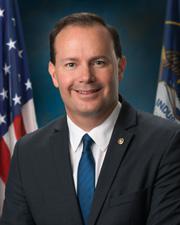
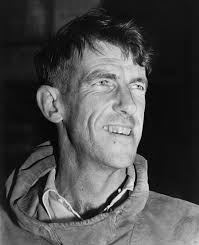
 James StoutHostDane BrinkleyGuest

A few weeks ago, while you were enjoying some of the previous episodes of this podcast, I was sitting on a ridgeline deep in the National Forest in the Rocky Mountain West.
I tend to eat a good distance away from where I sleep so I can keep a clean camp when I'm in grizzly bear country.
By the time I'd packed up my shit, lightning was striking at the same time as the thunderclap.
Each time it did so, it lit up the woods so brightly that it felt like I was being blasted with a flash bolt.
While my eyes were trying to adjust from bright light to pitch darkness as I fiddled with my headlamp, it was my nose that alerted me to the presence of a moose.
Moose scare the shit out of me in that kind of proximity, and close enough to smell one is far too close.
I'd recently been reading about updated lightning safety advice, but with the storm blowing down dead standing trees, and it's fucking moose still scary close, it didn't feel super safe.
Once the storm blew through, I bare hung my food, returned to my tent, and slept pretty well.
Every time I'm scared outdoors, I welcome the opportunity to reflect on that fear later, when I feel safe and learn something.
In this case, it's worth paying for the in-reach weather forecast, and I'm glad I'm a stickler for selecting a campsite away from any dead-standing timber.
This trip was one I'd planned myself, and I knew what to do if things didn't go to plan.
It turns out that other folks in the outdoors recently haven't been so fortunate.
On September the 1st of this year, three climbers summited Mount Shasta at 7 p.m. They'd made an alpine start, leaving their camp at around 3 a.m.
According to a local ABC affiliate, quote, around 3 p.m., the group stopped at Mushroom Rock at about 12,800 feet.
The three climbers said they were not feeling well, but continued and reached the summit around 7 p.m. Now in the mountains, sometimes a summit isn't even the halfway point of the journey.
They had to make it back to their camp, or at least down to a lower spot to bivvy out.




A few weeks ago, while you were enjoying some of the previous episodes of this podcast, I was sitting on a ridgeline deep in the National Forest in the Rocky Mountain West.
I tend to eat a good distance away from where I sleep so I can keep a clean camp when I'm in grizzly bear country.
By the time I'd packed up my shit, lightning was striking at the same time as the thunderclap.
Each time it did so, it lit up the woods so brightly that it felt like I was being blasted with a flash bolt.
While my eyes were trying to adjust from bright light to pitch darkness as I fiddled with my headlamp, it was my nose that alerted me to the presence of a moose.
Moose scare the shit out of me in that kind of proximity, and close enough to smell one is far too close.
I'd recently been reading about updated lightning safety advice, but with the storm blowing down dead standing trees, and it's fucking moose still scary close, it didn't feel super safe.
Once the storm blew through, I bare hung my food, returned to my tent, and slept pretty well.
Every time I'm scared outdoors, I welcome the opportunity to reflect on that fear later, when I feel safe and learn something.
In this case, it's worth paying for the in-reach weather forecast, and I'm glad I'm a stickler for selecting a campsite away from any dead-standing timber.
This trip was one I'd planned myself, and I knew what to do if things didn't go to plan.
It turns out that other folks in the outdoors recently haven't been so fortunate.
On September the 1st of this year, three climbers summited Mount Shasta at 7 p.m. They'd made an alpine start, leaving their camp at around 3 a.m.
According to a local ABC affiliate, quote, around 3 p.m., the group stopped at Mushroom Rock at about 12,800 feet.
The three climbers said they were not feeling well, but continued and reached the summit around 7 p.m. Now in the mountains, sometimes a summit isn't even the halfway point of the journey.
They had to make it back to their camp, or at least down to a lower spot to bivvy out.
The rest of this transcript — segmented and speaker-labeled, so you land on the exact moment something was said
Search every transcript — by keyword, by phrase, or by meaning, across every show Radar indexes
Trends — what is surging across podcasts, measured against its own baseline
Alerts — when a name you follow appears in a newly indexed episode
No account is needed to search Radar.