The Difference Between Watching Stocks and Owning Businesses
Jul 16, 2026 · 46 min · 14 segments
In today's market, investors with real capital are facing a difficult problem. They do not want to be reckless. Equities feel expensive, private credit has shown signs of stress, rates remain…
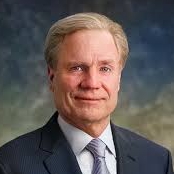
In today's market, investors with real capital are facing a difficult problem. They do not want to be reckless. Equities feel expensive, private credit has shown signs of stress, rates remain elevated, and the usual recession signals have been flashing for longer than many expected. But they also do not want to hide in safety so long that they give up years of compounding. That is where the conversation around risk has to get more precise. The question is not simply whether to be in or out of the market. It is how to structure capital so you can stay rational, preserve optionality, and still earn meaningful returns. In this episode of Money School Elite, I sit down with Tad Fallows, co-founder of Long Angle, a peer-to-peer community for first-generation wealth creators, entrepreneurs, executives, and investors with significant investable assets. Tad brings a useful perspective on how high-net-worth investors are thinking about allocation, liquidity, leverage, public equities, private markets, and risk in the current environment. We talk about why dry powder is not just defensive, why owning stocks only works if you still think like an owner, and why diversification should reduce fragility, not simply lower returns. This is not a conversation about predicting the next recession. It is a conversation about building the structure, discipline, and decision-making framework required when capital is actually at stake. **About the Guest** **Tad Fallows** is an entrepreneur, investor, and co-founder of Long Angle, a peer-to-peer community for first-generation wealth creators and high-net-worth investors. Before starting Long Angle, Tad spent 10 years building a SaaS company, taking it from the startup stage through growth to a successful acquisition. That experience gave him firsthand insight into the pressure of building a company, managing concentrated risk, and eventually making the transition from operator to capital allocator after a liquidity event. After his exit, Tad began navigating the questions many successful entrepreneurs face once their wealth becomes more complex: how to allocate capital, manage portfolio risk, think about taxes and estate planning, evaluate private markets, raise children with wealth, and find advice that is both sophisticated and unbiased. That journey led him to co-found Long Angle, a community designed for people with meaningful capital who want peer-driven insight rather than sales-driven financial advice. Today, Tad works closely with entrepreneurs, executives, investors, and other first-generation wealth creators, giving him a unique view into how high-net-worth individuals think about risk, liquidity, ownership, leverage, and long-term wealth stewardship. Visit longangle.com to learn more, or https://www.longangle.com/apply to apply or connect with Tad on LinkedIn. **About Your Host** From pro-snowboarder to money mogul, **Chris Naugle** has dedicated his life to being America's #1 Money Mentor. With a core belief that success is built not by the resources you have, but by how resourceful you can be. Chris has built and owned 19 companies, with his businesses being featured in Forbes, ABC, House Hunters, and his very own HGTV pilot in 2018. He is the founder of The Money School™ and Money Mentor for The Money Multiplier. His success also includes managing tens of millions of dollars in assets in the financial services and advisory industry and in real estate transactions. As an innovator and visionary in wealth-building and real estate, he empowers entrepreneurs, business owners, and real estate investors with the knowledge of how money works. Chris is also a nationally recognized speaker, author, and podcast host. He has spoken to and taught over ten thousand Americans, delivering the financial knowledge that fuels lasting freedom. **Resources** Private Money Guide: https://go.moneyschoolrei.com/book-podcast Wealth Wednesday Webinar: https://go.moneyschoolrei.com/wednesday-webinar-podcast Mapping out the Millionaire Mystery: https://go.moneyschoolrei.com/newbook-podcast
In today's market, investors with real capital are facing a difficult problem. They do not want to be reckless. Equities feel expensive, private credit has shown signs of stress, rates remain…