ML Chat: Conversations with Multilingual Educators
Sep 2, 2026 · 43 min · 11 segments
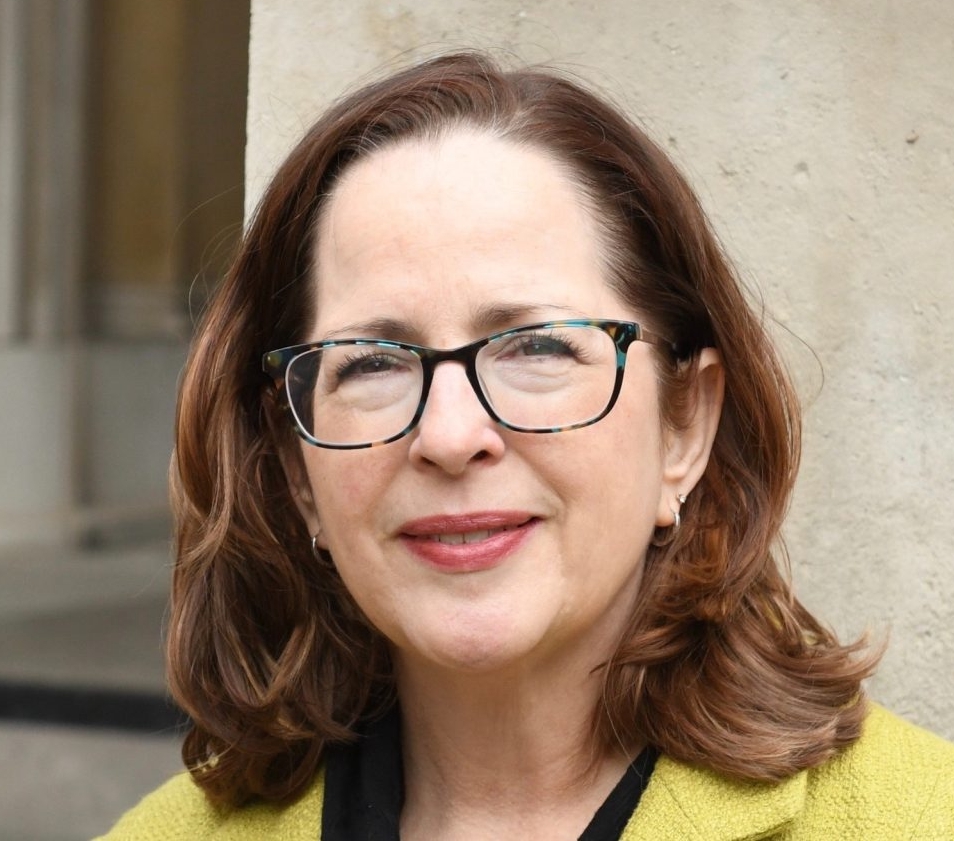
From her own journey as a language learner to teaching in South Korea, China, and Morocco, multilingual educator and consultant Patrice Thompson has seen firsthand how language policies shape…
Patrice ThompsonGuest
Mandy MorrisHost
So it sounds like there was a lot of ambiguity, even across the admin team at the school around, oh, what is our policy? Do we have a policy around English only, which then in turn can allow teachers to have classroom-based mandates versus a cohesive school-based expectation? And I've found, I'd be curious to hear what your thoughts are.

Sometimes teachers have English only policies in their classrooms because they're coming from a good place like good intentions maybe of like maybe a little bit older thinking around but I want my kids to be successful and they need to be able to do x y and z in English and if I don't have an English-only policy then they're not going to be able to do x y and z and then I'm not providing them the best education possible to set them up for success whereas we know from research that you don't need to have an English-only policy in your classroom in order to do that In fact, students' languages are coexisting in their brains at all times, and it's empowering their learning to be able to move quicker and faster and to be more agile in their thinking when they can use all of their languages.

I think the biggest thing that happens when there's inconsistency across classrooms is that who is affected the most? When the students are affected the most.

And when their identities are not acknowledged and clearly valued, they feel that, right? And I totally agree.

It's just that the teacher has been told and there's been a very prevalent attitude in classrooms that if we keep the kids in English, the time on task or the amount of time that is spent in English equals that.

We know that, like you said, better language skills in the home language equals better skills in the target language.

And that's been proven to be true over and over, over the past 40 years that this research has been done, 45 years at least.

But the thing that teachers are unprepared for is how to have those conversations with their students on what language inclusion among each other looks like, right? So it's not just about how the teacher delivers lessons in the classroom using their teacher toolkit for strategies on translanguaging, which we can go into later.

I had kids from Morocco who spoke the local Moroccan Arabic, Darija, and French, and then also English.


And I tried to make it very clear from the very beginning of the year and then throughout the year that I expect students to use the common language that they share with somebody next to them.

In fact, I encourage them to use, if they share Darija with another kid, even if they're fluent in English, they should use their home language.

And then if somebody else comes in and doesn't speak Darija, but they do speak English, then everybody should switch to English.

But that is a conversation that teachers... haven't been trained to have in a lot of cases, because like you said, it's gone unaddressed.

My first year, the other grade five teacher told her students, this is an English only class.

And I was having those conversations about language inclusion with my class because that's my methodology and there wasn't consistency from.

So it sounds like there was a lot of ambiguity, even across the admin team at the school around, oh, what is our policy? Do we have a policy around English only, which then in turn can allow teachers to have classroom-based mandates versus a cohesive school-based expectation? And I've found, I'd be curious to hear what your thoughts are.

Sometimes teachers have English only policies in their classrooms because they're coming from a good place like good intentions maybe of like maybe a little bit older thinking around but I want my kids to be successful and they need to be able to do x y and z in English and if I don't have an English-only policy then they're not going to be able to do x y and z and then I'm not providing them the best education possible to set them up for success whereas we know from research that you don't need to have an English-only policy in your classroom in order to do that In fact, students' languages are coexisting in their brains at all times, and it's empowering their learning to be able to move quicker and faster and to be more agile in their thinking when they can use all of their languages.

I think the biggest thing that happens when there's inconsistency across classrooms is that who is affected the most? When the students are affected the most.

And when their identities are not acknowledged and clearly valued, they feel that, right? And I totally agree.

It's just that the teacher has been told and there's been a very prevalent attitude in classrooms that if we keep the kids in English, the time on task or the amount of time that is spent in English equals that.

We know that, like you said, better language skills in the home language equals better skills in the target language.

And that's been proven to be true over and over, over the past 40 years that this research has been done, 45 years at least.

But the thing that teachers are unprepared for is how to have those conversations with their students on what language inclusion among each other looks like, right? So it's not just about how the teacher delivers lessons in the classroom using their teacher toolkit for strategies on translanguaging, which we can go into later.

I had kids from Morocco who spoke the local Moroccan Arabic, Darija, and French, and then also English.


And I tried to make it very clear from the very beginning of the year and then throughout the year that I expect students to use the common language that they share with somebody next to them.

In fact, I encourage them to use, if they share Darija with another kid, even if they're fluent in English, they should use their home language.

And then if somebody else comes in and doesn't speak Darija, but they do speak English, then everybody should switch to English.

But that is a conversation that teachers... haven't been trained to have in a lot of cases, because like you said, it's gone unaddressed.

My first year, the other grade five teacher told her students, this is an English only class.

And I was having those conversations about language inclusion with my class because that's my methodology and there wasn't consistency from.
The rest of this transcript — segmented and speaker-labeled, so you land on the exact moment something was said
Search every transcript — by keyword, by phrase, or by meaning, across every show Radar indexes
Trends — what is surging across podcasts, measured against its own baseline
Alerts — when a name you follow appears in a newly indexed episode
No account is needed to search Radar.