
EMOTIONAL0:45
A Generation Without the Moon
Future children may never see the Moon.

Feb 13, 2026 · 15 min · 11 segments
Full moon, half-moon, total eclipse. What happens when we look up and the moon is missing? In this episode of Life Without, our host Alan Davies imagines a world where the moon just ceases to exist…
 Alan DaviesHost
 Sarah RussellGuest
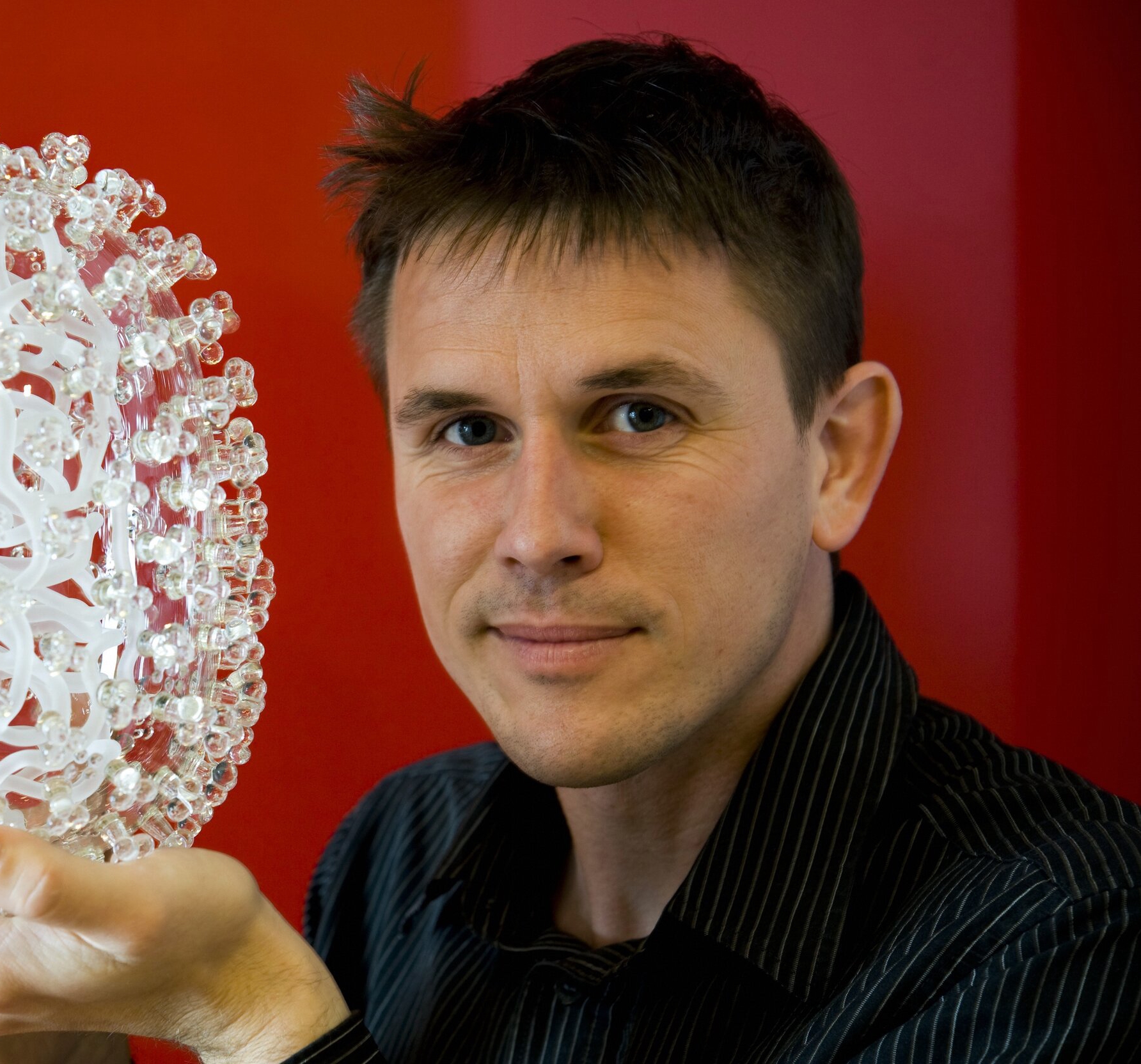
 Luke JerramGuest
I can't express enough how devastating this would be to the scientific communities.

Is there enough stuff on the Moon to make it worth digging holes in it and mining it?
We could put a radio telescope on the far side of the Moon that would be completely free of contamination from the Earth, and we could use that to look right back in time to the beginning of the universe, and we could use the Moon as a launchpad to launch rockets around the solar system 'cause it's so much easier to launch rockets from the Moon.
Luke, you're from the Bristol area, and the Severn River and the estuary has the highest tide in the UK.

In Bristol, we, there's a 13-and-a-half meter gap between high tide and low tide.
And back in 2001, I had this idea that I could make a replica moon artwork, inspired by cycling my bike over the river and noticing all the water had gone, and then you come back an hour later and it's all full up.
The sun does a bit as well, but there'll be much less than we are used to, and on a different cadence as well.
So that would be really devastating for an awful lot of wildlife that live in that intertidal region, so lots of things like crabs and mussels, uh, seaweed that live in this region.
So the tides play this big role in both bringing nutrients from the sea and also getting oxygen into the water.
Maybe the architecture around the UK, and other places that are very susceptible to massive tides, will become more like the Mediterranean.
I can't express enough how devastating this would be to the scientific communities.
Is there enough stuff on the Moon to make it worth digging holes in it and mining it?
We could put a radio telescope on the far side of the Moon that would be completely free of contamination from the Earth, and we could use that to look right back in time to the beginning of the universe, and we could use the Moon as a launchpad to launch rockets around the solar system 'cause it's so much easier to launch rockets from the Moon.
Luke, you're from the Bristol area, and the Severn River and the estuary has the highest tide in the UK.
In Bristol, we, there's a 13-and-a-half meter gap between high tide and low tide.
And back in 2001, I had this idea that I could make a replica moon artwork, inspired by cycling my bike over the river and noticing all the water had gone, and then you come back an hour later and it's all full up.
The sun does a bit as well, but there'll be much less than we are used to, and on a different cadence as well.
So that would be really devastating for an awful lot of wildlife that live in that intertidal region, so lots of things like crabs and mussels, uh, seaweed that live in this region.
So the tides play this big role in both bringing nutrients from the sea and also getting oxygen into the water.
Maybe the architecture around the UK, and other places that are very susceptible to massive tides, will become more like the Mediterranean.
Every episode on Radar is fully transcribed, speaker-labeled, and rich with metadata. Here is a taste of this one. Try Radar for free to see the rest.
3 of 9
A Generation Without the Moon
Future children may never see the Moon.
The Moon Runs Life
The Moon quietly coordinates life across Earth.
Earth Loses Its Balance
The Moon stabilizes Earth's tilt and seasons.
+6 more clips · 5 min 32 sec of audio in all
The rest of this transcript — segmented and speaker-labeled, so you land on the exact moment something was said
All 9 clips — the highlight moments, each cut as its own audio, with a title and a speaker
All 11 segments — the transcript broken into labeled sections, every ad read marked
All 23 topics — jump to every other episode discussing the same subject
Every related episode — other shows Radar links to this one
No account is needed to search Radar.

