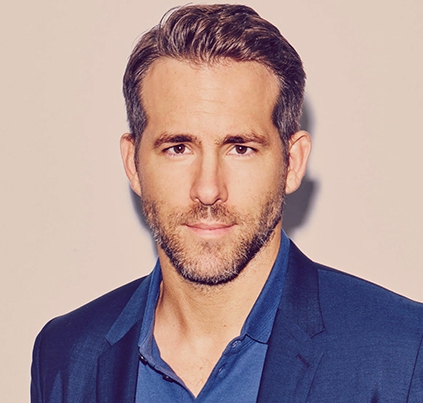
Adrian DayGuest
Elijah K. JohnsonHost
And of course, w- w- we'll talk about this, this, uh, conflict specifically, um, but it relates to a lot of conflicts as well.

But the other thing that happens is during a c- during a, a war or military conflict somewhere, the dollar tends to get a safe haven bid.

Now, in addition to that, with this particular conflict, of course, we had a spike in the oil price.

And the spike in the oil price made central banks around the world, um, move away from easing monetary policy and focus on the inflationary impact of higher oil prices w- w- w- with most of the central banks around the world talking about the possibility of hiking interest rates.

And of course, the European Central Bank actually did raise a key interest rate last week.

So the n- the, the, the narrative, I mean, the, w- when, when, during this war, we had a stronger dollar, we had higher interest rates, and we had central banks say they were going to move away from, uh, easing monetary policy.

Now, what we've seen, as you say, in the last week or last few days, we've had, um, you know, the ceasefire, uh, memorandum and, uh, interestingly, an agreement between, an agreement for both Hezbollah and Israel, um, to stop fighting.

I don't wanna, you know, I'm not a geopolitical analyst, but in terms of the markets, that would be positive for gold.

Ex- And the oil price, of course, came down, and that would be positive for gold, other than the fact that we have a new Fed chairman, uh, Kevin Warsh, who surprised the market, I think is true to say.

Um, now he didn't say they were going to raise rates, uh, but he did s- he didn't say they were going to cut the balance sheet or anything else or raise the bal- increase the balance sheet.

But he did say that they were determined to get inflation down to the Fed's target And even hinted, uh, even hinted that they would, um, you know, move a target lower, um, when he said in answer to a question, "Well, let's talk about that.

Let's get to our target first." Um, so that was a very hawkish statement on inflation, which implies or suggests even if they don't hike rates, it certainly suggests that they'll be a lot slower at cutting them.

And of course, as everybody knows, half, fully half of the open market committee in the dot plot indicated that they thought there would be a rate hike this year.

Now, let's not forget, and I'll finish on this, let's not forget that what gold is concerned with is not nominal interest rates, but real interest rates.

And of course, the inflation number was higher, which again leads people to say, "Well, if infla- CPI is over 4%, they can't cut rates." But what the, what, what gold is really concerned with is real interest rates.

So if inflation continues to move up and rates do not move up in a, in a, in a, a, a, you know, don't, don't follow suit, then you're going to have lower real interest rates, and that is, is positive for gold.

And of course, w- w- we'll talk about this, this, uh, conflict specifically, um, but it relates to a lot of conflicts as well.

But the other thing that happens is during a c- during a, a war or military conflict somewhere, the dollar tends to get a safe haven bid.

Now, in addition to that, with this particular conflict, of course, we had a spike in the oil price.

And the spike in the oil price made central banks around the world, um, move away from easing monetary policy and focus on the inflationary impact of higher oil prices w- w- w- with most of the central banks around the world talking about the possibility of hiking interest rates.

And of course, the European Central Bank actually did raise a key interest rate last week.

So the n- the, the, the narrative, I mean, the, w- when, when, during this war, we had a stronger dollar, we had higher interest rates, and we had central banks say they were going to move away from, uh, easing monetary policy.

Now, what we've seen, as you say, in the last week or last few days, we've had, um, you know, the ceasefire, uh, memorandum and, uh, interestingly, an agreement between, an agreement for both Hezbollah and Israel, um, to stop fighting.

I don't wanna, you know, I'm not a geopolitical analyst, but in terms of the markets, that would be positive for gold.

Ex- And the oil price, of course, came down, and that would be positive for gold, other than the fact that we have a new Fed chairman, uh, Kevin Warsh, who surprised the market, I think is true to say.

Um, now he didn't say they were going to raise rates, uh, but he did s- he didn't say they were going to cut the balance sheet or anything else or raise the bal- increase the balance sheet.

But he did say that they were determined to get inflation down to the Fed's target And even hinted, uh, even hinted that they would, um, you know, move a target lower, um, when he said in answer to a question, "Well, let's talk about that.

Let's get to our target first." Um, so that was a very hawkish statement on inflation, which implies or suggests even if they don't hike rates, it certainly suggests that they'll be a lot slower at cutting them.

And of course, as everybody knows, half, fully half of the open market committee in the dot plot indicated that they thought there would be a rate hike this year.

Now, let's not forget, and I'll finish on this, let's not forget that what gold is concerned with is not nominal interest rates, but real interest rates.

And of course, the inflation number was higher, which again leads people to say, "Well, if infla- CPI is over 4%, they can't cut rates." But what the, what, what gold is really concerned with is real interest rates.

So if inflation continues to move up and rates do not move up in a, in a, in a, a, a, you know, don't, don't follow suit, then you're going to have lower real interest rates, and that is, is positive for gold.
The rest of this transcript — segmented and speaker-labeled, so you land on the exact moment something was said
Search every transcript — by keyword, by phrase, or by meaning, across every show Radar indexes
Trends — what is surging across podcasts, measured against its own baseline
Alerts — when a name you follow appears in a newly indexed episode
No account is needed to search Radar.