Cortland Dahl: Born to Flourish – The Four Skills That Unlock a Life of Well-Being
Jul 10, 2026 · 51 min · 14 segments
!https://markccrowley.com/wp-content/uploads/2026/04/cortland-dahl-300x300.jpgIn an era marked by rising depression, loneliness, distractibility, burnout and overall declining well-being, many…
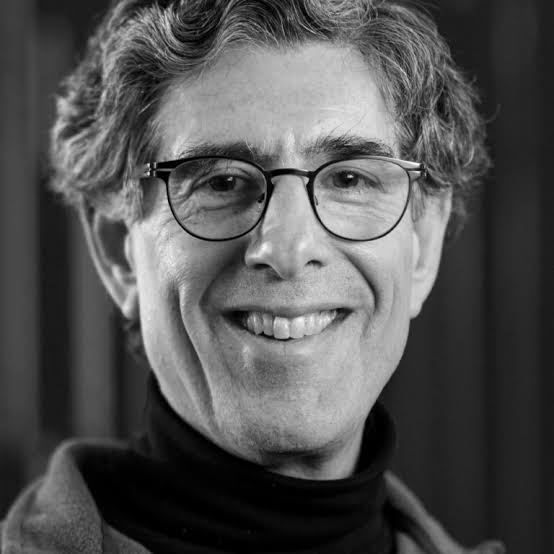
!https://markccrowley.com/wp-content/uploads/2026/04/cortland-dahl-300x300.jpgIn an era marked by rising depression, loneliness, distractibility, burnout and overall declining well-being, many leaders are searching for more effective ways to support their own flourishing and that of their teams. In this compelling conversation, **Cortland Dahl, PhD, shares truly transformative insights from his new book, *Born to Flourish: How New Science and Ancient Wisdom Reveal a Simple Path to Thriving,* co-authored with renowned neuroscientist Richard J. Davidson.** **Dahl serves as a Contemplative Scientist at the Center for Healthy Minds at the University of Wisconsin–Madison.** With a unique background that includes nearly a decade living in Himalayan monasteries and Tibetan refugee communities, years of solitary retreat, fluency in Tibetan, and the translation of classical meditation texts, he brings rare depth to the intersection of ancient contemplative wisdom and cutting-edge neuroscience. **!https://markccrowley.com/wp-content/uploads/2026/04/9781668066232-us-199x300.jpgTogether with Davidson, Dahl has helped develop the Healthy Minds Framework — a practical, research-backed model showing that humans are literally born with an innate capacity to flourish. The book reveals that genuine well-being arises not from mindfulness alone, but through the cultivation of four interconnected skills: Awareness, Connection, Insight, and Purpose.** These trainable practices, grounded in both brain science and timeless wisdom, can be developed in just a few minutes a day and have been shown to rewire the brain for greater resilience, kindness, and meaning — even amid life’s inevitable challenges. This episode dives deep into each of the four skills, exploring simple, everyday ways individuals can build them, while also addressing the critical question of how workplace leaders can intentionally model and cultivate these qualities to elevate employee well-being and create healthier, more connected organizational cultures. Dahl shares why mastering all four skills together produces results far more powerful than any single practice, and how flourishing can become contagious within teams. If you care about leading with heart, reducing burnout, strengthening human connection, and helping people thrive rather than merely survive, this conversation offers both hope and practical guidance. **Tune in to discover how ancient truths and modern science can transform the way we work and live.** The post Cortland Dahl: Born to Flourish – The Four Skills That Unlock a Life of Well-Being appeared first on Mark C. Crowley.
!https://markccrowley.com/wp-content/uploads/2026/04/cortland-dahl-300x300.jpgIn an era marked by rising depression, loneliness, distractibility, burnout and overall declining well-being, many…