Hunger & Heart with Kaila Colbin
He Swam 1,367km Down New Zealand - 90 Days, No Wetsuit
Aug 11, 2026 · 1 hr 33 min · 12 segments
90 minutes into a 1,367km swim down the length of New Zealand, Jono Ridler turned his head to breathe and saw a large shark a body length away. He got out of the water for 20 minutes, then got…
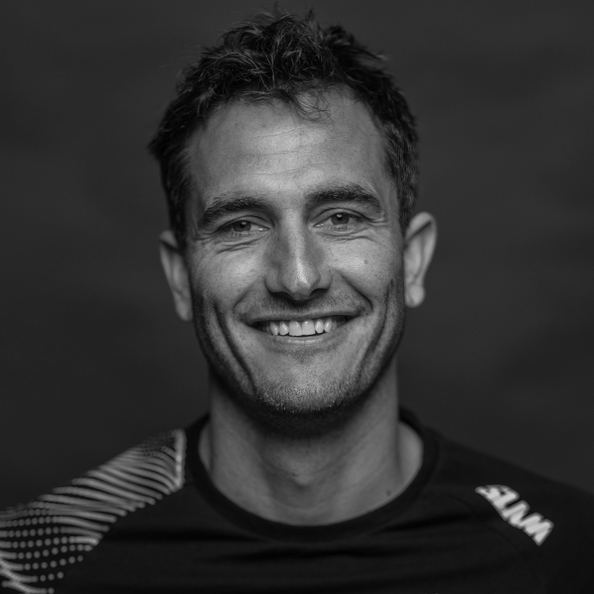
90 minutes into a 1,367km swim down the length of New Zealand, Jono Ridler turned his head to breathe and saw a large shark a body length away. He got out of the water for 20 minutes, then got straight back in — and kept going for another 89 days. The kid who had to be bribed with candy to finish a swimming lesson ended up breaking the world record for the longest unassisted staged swim. In this conversation he breaks down the journey. Along the way: the panic attack 100 metres into his first open-water race. The Cook Strait crossing that ended with him pissing blood. The 33-hour Hauraki Gulf swim where he hallucinated a snowman on the support boat. From swimming for a reward, to swimming for an identity, to swimming for something that will outlast him. We also get into the voice that tells you to stop (and why it only ever arrives at the edge of what you can do), how to train the mental skills necessary for his feats of endurance, and what he's learned about uncertainty since walking away from a 13-year career with no idea what comes next. Jono Ridler | Speaker, Athlete, Advocate — https://www.jonoridler.com/ Live Ocean Foundation — https://liveocean.org/ Swim4TheOcean — https://www.swim4theocean.org/ FOLLOW JONO Instagram: @jonoridler Facebook: https://www.facebook.com/p/Jono-Ridler-61584529661244/ LinkedIn: https://www.linkedin.com/in/jonoridler/ \- Hunger & Heart is brought to you by the Crusaders Leadership Programme™. Whether you're coaching under-5s or a professional team, we all want the same thing: to build cultures of trust, get the best out of our people, and grow players into leaders. The Crusaders Leadership Programme™ lets you get up close and personal with some of the greatest rugby legends of all time — people like Sir Wayne Smith, Sam Whitelock, and Kieran Read. You'll connect with a global group of ambitious, caring coaches from a range of codes and backgrounds, and most importantly, you'll gain skills and techniques to drive impact and outcomes for your team. The Crusaders Leadership Programme™ is a two-week high-intensity virtual experience. It is delivered exclusively online, accessible from anywhere. Hunger and heart Listeners get 10% off the full price of the program. Use the code HUNGER at checkout. Find out more: crusadersleadership.com * * * Hosted on Acast. See acast.com/privacy for more information.
90 minutes into a 1,367km swim down the length of New Zealand, Jono Ridler turned his head to breathe and saw a large shark a body length away. He got out of the water for 20 minutes, then got…