Jul 29, 2026 · 53 min · 12 segments
Lauded and tenured civil rights attorney Dale Minami joins Hibiku Kotoba with Kathleen. Together they talk and revisit the landmark Supreme Court Case, Korematsu v United States, and Dale's experience…
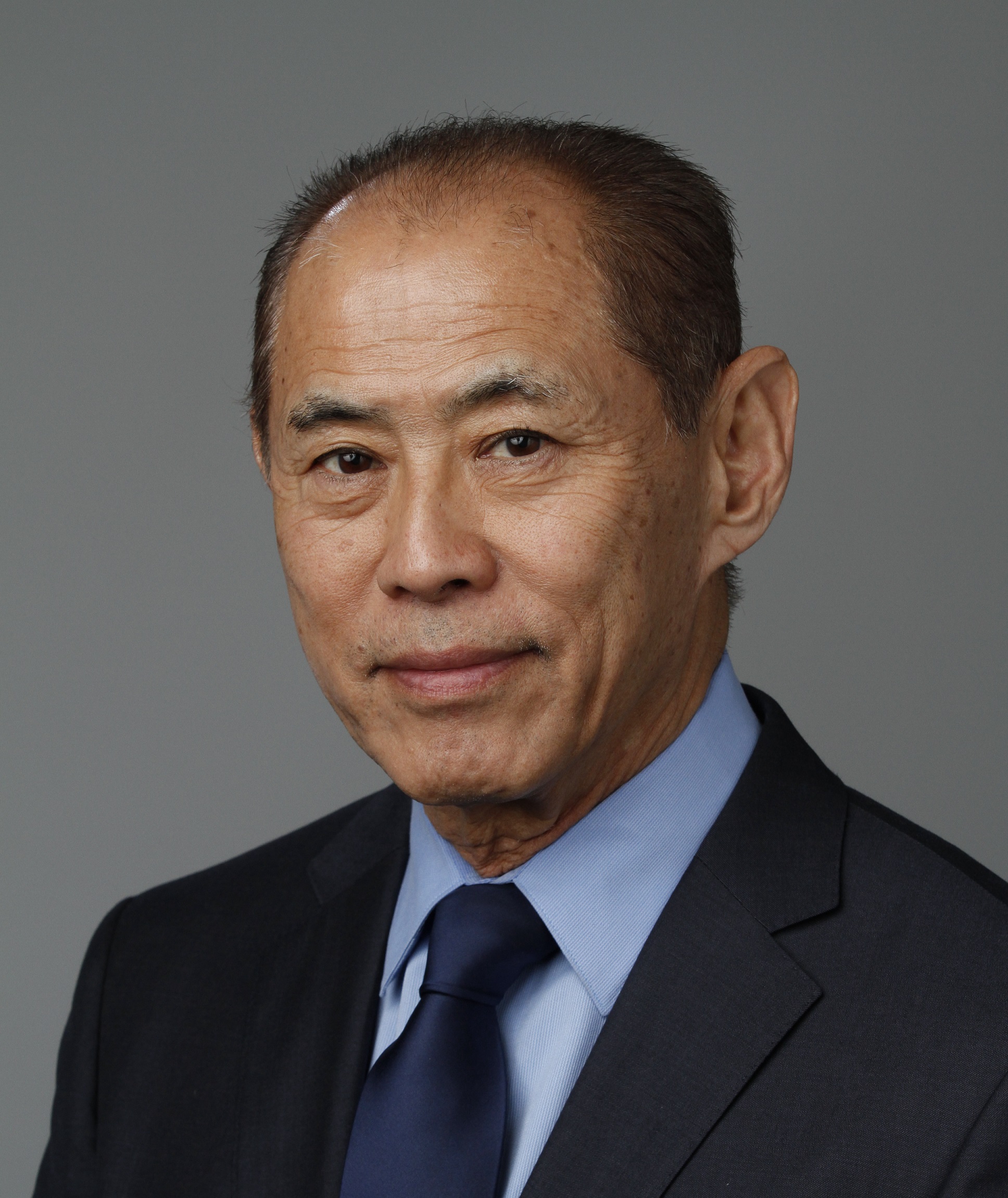
Dale MinamiGuest
Kathleen WongHost
So after the results came in, what was going through your mind? Because I think you mentioned earlier that, was it your parents were also incarcerated?

So did you did you did you think about like, wow, this this is like maybe for my family, for my friends, family, everything like what was emotionally what was going through your mind afterwards?

I think it was exultation because I think we were really thrilled that not only could we overturn the convictions of these three brave men who stood up when no one else did.


And I have to credit Don Tamaki did a wonderful job in presenting our case to the public.

And fourth, and maybe most important, is I think we gave back our community a little bit of dignity that was stolen from them.

I mean, they were humiliated, shamed, not just the loss of freedom, not just the terrible conditions, the bad food, the poor medical care, but it was the utter humiliation that these were loyal citizens and they were just taken away for no good reason and putting these god-awful places around the country.

And I feel that redress movement in combination, which activated or galvanized a whole community and its allies, the Rainbow Coalition of all races and ethnicities, also gave our parents, our community, their voices back.

They felt that they had the right to protest, to dissent, to make their opinions known without fear of being put in prisons.

And I saw kind of a lightness, a joy, a different attitude in our communities after, not just my case, our case, excuse me, not just after our case, but through the Redress Movement.

I mean, that's, to say it's game-changing is such an understatement, but that is, you and your team, Dantamaki, and for Korematsu Hirabayashi, everyone really changed the trajectory of where the Asian American Pacific Islander community will be, and not just for the AAPI community, but for everyone that has or could go through such a thing similar to this.

And I feel, I mean, we can go through it later, but I do see maybe glimpses of it in this current administration with the ICE raids.

Yeah, so I see I see some of that, again, just glimpses of that, like history repeating itself.

Actually, while we're talking about it, while it's still fresh in our minds, when you see what is happening right now, and you see what happened back then when you were all in history, what we learned our history for you, it's your family experience.

I see a lot of Japanese Americans, relatives of family members who were incarcerated during World War II.

So after the results came in, what was going through your mind? Because I think you mentioned earlier that, was it your parents were also incarcerated?

So did you did you did you think about like, wow, this this is like maybe for my family, for my friends, family, everything like what was emotionally what was going through your mind afterwards?

I think it was exultation because I think we were really thrilled that not only could we overturn the convictions of these three brave men who stood up when no one else did.


And I have to credit Don Tamaki did a wonderful job in presenting our case to the public.

And fourth, and maybe most important, is I think we gave back our community a little bit of dignity that was stolen from them.

I mean, they were humiliated, shamed, not just the loss of freedom, not just the terrible conditions, the bad food, the poor medical care, but it was the utter humiliation that these were loyal citizens and they were just taken away for no good reason and putting these god-awful places around the country.

And I feel that redress movement in combination, which activated or galvanized a whole community and its allies, the Rainbow Coalition of all races and ethnicities, also gave our parents, our community, their voices back.

They felt that they had the right to protest, to dissent, to make their opinions known without fear of being put in prisons.

And I saw kind of a lightness, a joy, a different attitude in our communities after, not just my case, our case, excuse me, not just after our case, but through the Redress Movement.

I mean, that's, to say it's game-changing is such an understatement, but that is, you and your team, Dantamaki, and for Korematsu Hirabayashi, everyone really changed the trajectory of where the Asian American Pacific Islander community will be, and not just for the AAPI community, but for everyone that has or could go through such a thing similar to this.

And I feel, I mean, we can go through it later, but I do see maybe glimpses of it in this current administration with the ICE raids.

Yeah, so I see I see some of that, again, just glimpses of that, like history repeating itself.

Actually, while we're talking about it, while it's still fresh in our minds, when you see what is happening right now, and you see what happened back then when you were all in history, what we learned our history for you, it's your family experience.

I see a lot of Japanese Americans, relatives of family members who were incarcerated during World War II.
The rest of this transcript — segmented and speaker-labeled, so you land on the exact moment something was said
Search every transcript — by keyword, by phrase, or by meaning, across every show Radar indexes
Trends — what is surging across podcasts, measured against its own baseline
Alerts — when a name you follow appears in a newly indexed episode
No account is needed to search Radar.