
Odd Time Signatures That Aren’t Odd.
Aug 7, 2026 · 4 min · 5 segments
## **Odd Time Signatures** ## **That Aren’t Odd****.** ***Rare Rhythms That Move People.*** American band Death Cab for Cutie recently released their new album “I Built You a Tower”, and…
## **Odd Time Signatures** ## **That Aren’t Odd****.** ***Rare Rhythms That Move People.*** American band Death Cab for Cutie recently released their new album “I Built You a Tower”, and the song “Stone Over Water” is a brilliant example of how to make music that’s rhythmically interesting without sacrificing its ability to move people, aka its danceability. And that’s a vital element of music, not to be underestimated. Because, **if people can’t tap their foot or bob their head along to your song, they’ll find it frustrating and will probably hit that Skip button.** To be clear, it’s easy to make rhythmically interesting music, but the cost is usually danceability. There’s an inverse correlation between how interesting a rhythm is and how danceable it is. **The more interesting the rhythm, the less danceable.** A great example of this is the Swedish band Meshuggah. I’ve seen them live numerous times, and watching people trying to dance to their songs is funnier than Monty Python’s “Ministry of Silly Walks” sketch! And then on the extreme opposite side of the spectrum, you’ve got the classic four-on-the-floor dance beat, which is the easiest groove to dance to, but it’s also the most boring, by far. So how do Death Cab for Cutie achieve this blend of danceable yet interesting? Well, **they use a less common time signature: 6|4.** While 6|4 is (sadly) rare in popular music genres, it doesn’t sound weird at all. That’s because the most common time signature is 4|4, so 6|4 is merely 4|4 with two 1/4 notes added. Subscribe to get the latest posts in your inbox**.** And **6|4 is still an even time signature, so listeners can move along to it just like they can to 4|4.** In fact, 6|4 feels just like 4|4 but with an extra half bar. The only people who would even notice that it’s an unusual time signature are musicians. 6|4 is arguably the most underused time signature. To understand why, we first have to talk about how popular musicians tend to **informally group time signatures into two categories: 4|4 and Odd-Time.** I think this is because the word “odd” can either mean odd as in numbers (like 3, 5, 7, etc.), or odd as in unusual. So despite the fact that it’s actually an even number time signature, **6|4 tends to be unofficially thrown into the odd-time category.** What a rare gem! And that’s why it’s such a shame that there aren’t way more songs in 6|4. Subscribe to get the latest posts in your inbox**.** And on that note, please open your Digital Audio Workstation and change your time signature to 6|4. This increase in bar length will spark your creativity too, because you’ll automatically write longer melodies, chord progressions, bass lines, and drum beats. This unusual characteristic will bring out some creative ideas, and it’s also super fun to be liberated from the constraints of 4|4. Anyway, I hope that gives you some ideas and inspiration for your music making this weekend, and if you want more, then download my Free Theory Book and Free PDF Tutorials**.** And if you’ve got a spare 60 minutes, then I can teach you all the music making essentials in a series of short step-by-step videos. After this one-hour Songwriting & Producing “Crash” Course**,** you’ll know how to make good music with all the instruments working together: lead melody, counterpoint backing melody, chord progression, bass line, drum beat, and more. So if you’re super busy, then enroll right now and you can go to bed tonight knowing how to write good music. Thanks for being here, my friend, you happy music making! Ray Harmony :) * * * ## **Donate****.** Help keep the Songwriter's Ark afloat**.**  *Photo by Mart Production* * * * ## **About****.** Ray Harmony is a **multi award-winning music lecturer** who’s made music with Serj Tankian (System Of A Down), Tom Morello (Rage Against The Machine), Steven Wilson (Porcupine Tree), Devin Townsend (Strapping Young Lad), Ihsahn (Emperor), Kool Keith (Ultramagnetic MCs), Madchild (Swollen Members), and more. Ray is also the founder of Hack Music Theory, a YouTube channel with **over 10 million views and over 255,000 subscribers** learning the fast, easy and fun way to make music without using AI, cos it ain’t no fun getting a robot to write “your” songs! Everything here is 100% Human and 0% AI. 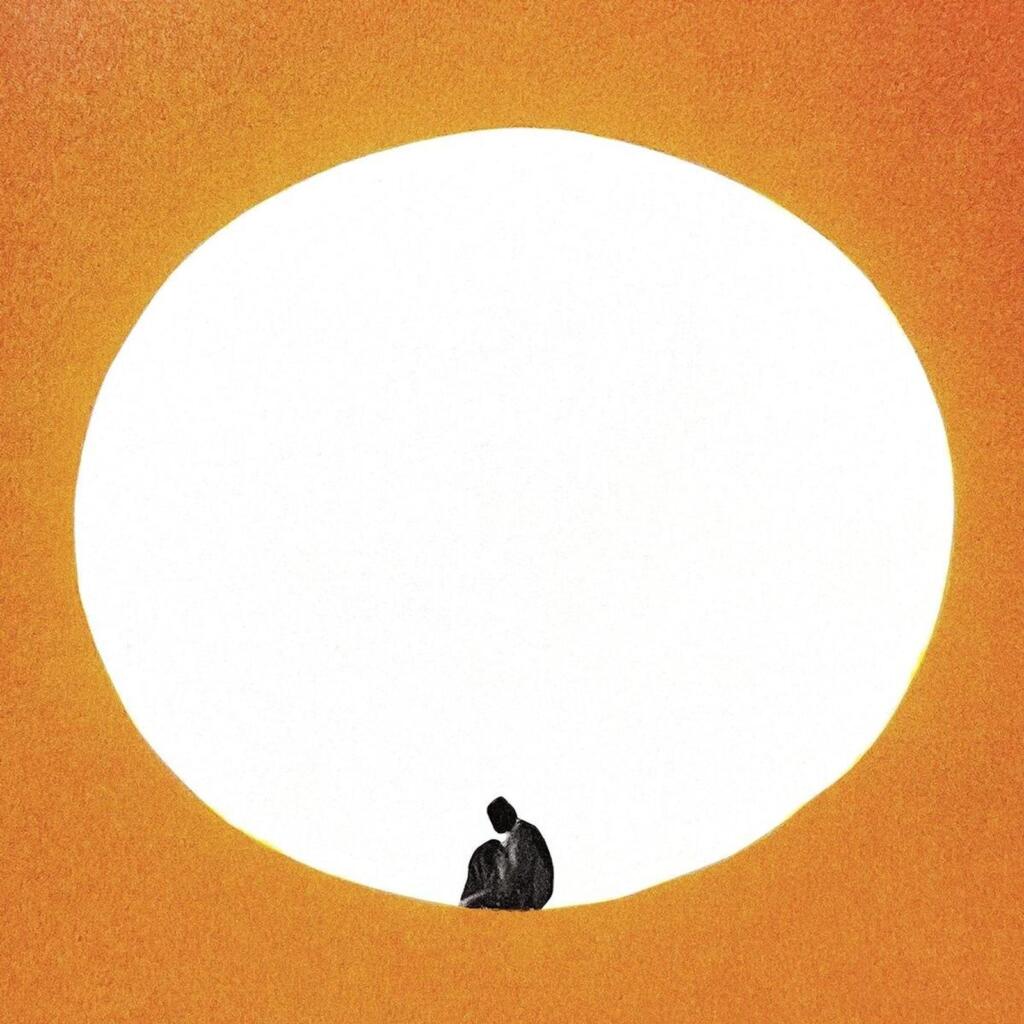 *Death Cab for Cutie - I Built You a Tower* Outro music by Ray Harmony, based on the music theory from GoGo Penguin "Everything Is Going to Be OK"**.** * * * ## **Podcast****.** Listen below, or on any podcast app.
## **Odd Time Signatures** ## **That Aren’t Odd****.** ***Rare Rhythms That Move People.*** American band Death Cab for Cutie recently released their new album “I Built You a Tower”, and…


