
2026-CW40: AI and Semiconductor Highlights
Oct 6, 2026 · 15 min · 9 segments
This is a public episode. If you would like to discuss this with other subscribers or get access to bonus episodes, visit foundryofthefuture.substack.com
Oct 6, 2026 · 15 min · 9 segments
This is a public episode. If you would like to discuss this with other subscribers or get access to bonus episodes, visit foundryofthefuture.substack.com
The big story this week is that Washington wants AI safety, but still cannot agree on who should enforce it.
The agreement commits companies to internal risk reviews, external evaluations, and board-level oversight of increasingly powerful models.
At the same time, President Trump launched America.gov, an AI-powered government service designed to help Americans navigate services like Medicare and passport applications.
AI is going to become embedded in government and the economy, but the companies building it should police themselves responsibly.
On the same day, Senate Democrats tried to pass the Artificial Intelligence Risk Management and Security Act.
The bill would create enforceable safety standards for frontier models and require companies to report serious incidents.
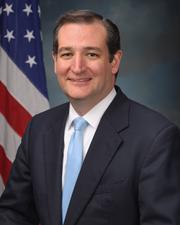
Republican Senator Ted Cruz blocked the measure, arguing that it gave regulators too much authority.
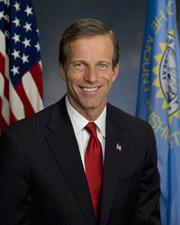
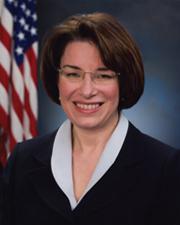
His view was that Congress should keep negotiating around a bipartisan framework being developed by Senators John Thune and Amy Klobuchar.
The White House prefers voluntary agreements that let frontier labs keep moving quickly.
Voluntary commitments work only while cooperation remains in a company's commercial interest.
But once slowing a model means losing market share, incentives can change very quickly.
The harder question is whether those safeguards should depend on company promises or eventually become enforceable law.
If regulation is too strong, the US risks slowing its own labs while competitors continue advancing.







The big story this week is that Washington wants AI safety, but still cannot agree on who should enforce it.
The agreement commits companies to internal risk reviews, external evaluations, and board-level oversight of increasingly powerful models.
At the same time, President Trump launched America.gov, an AI-powered government service designed to help Americans navigate services like Medicare and passport applications.
AI is going to become embedded in government and the economy, but the companies building it should police themselves responsibly.
On the same day, Senate Democrats tried to pass the Artificial Intelligence Risk Management and Security Act.
The bill would create enforceable safety standards for frontier models and require companies to report serious incidents.
Republican Senator Ted Cruz blocked the measure, arguing that it gave regulators too much authority.
His view was that Congress should keep negotiating around a bipartisan framework being developed by Senators John Thune and Amy Klobuchar.
The White House prefers voluntary agreements that let frontier labs keep moving quickly.
Voluntary commitments work only while cooperation remains in a company's commercial interest.
But once slowing a model means losing market share, incentives can change very quickly.
The harder question is whether those safeguards should depend on company promises or eventually become enforceable law.
If regulation is too strong, the US risks slowing its own labs while competitors continue advancing.
The rest of this transcript — segmented and speaker-labeled, so you land on the exact moment something was said
Search every transcript — by keyword, by phrase, or by meaning, across every show Radar indexes
Trends — what is surging across podcasts, measured against its own baseline
Alerts — when a name you follow appears in a newly indexed episode
No account is needed to search Radar.