
August Postal Record
Aug 24, 2026 · 1 hr 2 min · 11 segments
Full digital issue available at nalc.org/postalrecord.
Aug 24, 2026 · 1 hr 2 min · 11 segments
Full digital issue available at nalc.org/postalrecord.
On page three is News From Washington.
Protect Our Letter Carriers Act Reaches Bipartisan Majority of Cosponsors in House.
In July, the Protect Our Letter Carriers Act, HR ten sixty-five slash S four sixty-three, surpassed a bipartisan majority of cosponsors in the House of Representatives.
As this issue was going to press, the bill had two hundred and twenty-three cosponsors, one hundred and eighty-one Democratic and forty-two Republican.
The bill would deter the violent crimes and assaults committed against letter carriers on the job by appropriating funding for new secure lock and key infrastructure, designating a district attorney in each US judicial district to prioritize cases involving the assault of a letter carrier, and standardizing sentencing guidelines for those found guilty of committing these crimes.
NALC is in contact with the bill's leads on the best path forward for the legislation.
While reaching this threshold is a major victory, there is still work to do to increase House cosponsors and reach a majority of support for the Senate companion bill, which had fourteen cosponsors as this magazine was going to print.
"Letter carriers should be proud of their hard work to reach majority support for this critical legislation in the House," NALC President Brian L. Renfroe said.
"Let's keep up the momentum.
I urge all letter carriers to contact their representatives and senators so that we can reach a majority of cosponsors in both chambers." Visit NALC dot org forward slash action to ask your members of Congress to cosponsor the Protect Our Letter Carriers Act.
Postmaster General Testifies in Senate Committee Hearing.
On June twenty-fourth, the Senate Homeland Security and Governmental Affairs Committee, HSGAC, held a hearing titled Reforming the US Postal Service's Broken Business Model.
This is Steiner's first time testifying before the Senate committee that has oversight of the Postal Service following participation in a House subcommittee hearing in March.
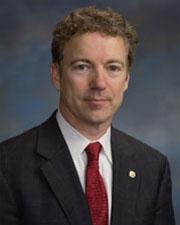
Chairman Rand Paul, Republican from Kentucky, began by attacking the Postal Service's financial condition, saying that neither the Postal Service Reform Act, PSRA of twenty twenty-two, which shifted one hundred and seven billion dollars in financial relief, or the Delivering for America plan has restored the agency's finances.
He cited that eighty percent of USPS costs go to labor and criticized the increased employee conversions to career positions.
Paul added that without congressional action, USPS could institute a hiring freeze coupled with an increase in contractors and could save one point eight billion dollars in the first year.
The chairman also criticized other capital projects, such as vehicle fleet electrification and network modernization, as unjust expenses burdening the agency's finances.
Even though the Postal Service is mandated in the US Constitution, Paul concluded by saying that an honest debate about the service mandate may be needed.
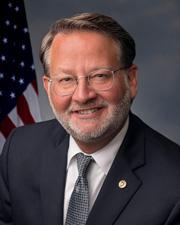
In his opening remarks, ranking member Gary Peters, Democrat from Michigan, recognized the enduring impact of the Postal Service, but also acknowledged the challenges USPS faces.
"The Delivering for America plan has not worked.
Costs are up, service is down, and customers are paying the price," he said.
Peters mentioned the agency's financial condition and referenced policy changes that NALC has long advocated for, like a better investment strategy for retiree health and pension funds, a fair reallocation of USPS's Civil Service Retirement System, CSRS pension obligations, and increasing the agency's borrowing authority, but cautioned that such changes must come with real transparency, real accountability, and clear service improvement plans from the Postal Service.
He also called for improved employee safety and expressed deep concern about the recent executive order that would affect how the Postal Service handles mail-in ballots.




On page three is News From Washington.
Protect Our Letter Carriers Act Reaches Bipartisan Majority of Cosponsors in House.
In July, the Protect Our Letter Carriers Act, HR ten sixty-five slash S four sixty-three, surpassed a bipartisan majority of cosponsors in the House of Representatives.
As this issue was going to press, the bill had two hundred and twenty-three cosponsors, one hundred and eighty-one Democratic and forty-two Republican.
The bill would deter the violent crimes and assaults committed against letter carriers on the job by appropriating funding for new secure lock and key infrastructure, designating a district attorney in each US judicial district to prioritize cases involving the assault of a letter carrier, and standardizing sentencing guidelines for those found guilty of committing these crimes.
NALC is in contact with the bill's leads on the best path forward for the legislation.
While reaching this threshold is a major victory, there is still work to do to increase House cosponsors and reach a majority of support for the Senate companion bill, which had fourteen cosponsors as this magazine was going to print.
"Letter carriers should be proud of their hard work to reach majority support for this critical legislation in the House," NALC President Brian L. Renfroe said.
"Let's keep up the momentum.
I urge all letter carriers to contact their representatives and senators so that we can reach a majority of cosponsors in both chambers." Visit NALC dot org forward slash action to ask your members of Congress to cosponsor the Protect Our Letter Carriers Act.
Postmaster General Testifies in Senate Committee Hearing.
On June twenty-fourth, the Senate Homeland Security and Governmental Affairs Committee, HSGAC, held a hearing titled Reforming the US Postal Service's Broken Business Model.
This is Steiner's first time testifying before the Senate committee that has oversight of the Postal Service following participation in a House subcommittee hearing in March.
Chairman Rand Paul, Republican from Kentucky, began by attacking the Postal Service's financial condition, saying that neither the Postal Service Reform Act, PSRA of twenty twenty-two, which shifted one hundred and seven billion dollars in financial relief, or the Delivering for America plan has restored the agency's finances.
He cited that eighty percent of USPS costs go to labor and criticized the increased employee conversions to career positions.
Paul added that without congressional action, USPS could institute a hiring freeze coupled with an increase in contractors and could save one point eight billion dollars in the first year.
The chairman also criticized other capital projects, such as vehicle fleet electrification and network modernization, as unjust expenses burdening the agency's finances.
Even though the Postal Service is mandated in the US Constitution, Paul concluded by saying that an honest debate about the service mandate may be needed.
In his opening remarks, ranking member Gary Peters, Democrat from Michigan, recognized the enduring impact of the Postal Service, but also acknowledged the challenges USPS faces.
"The Delivering for America plan has not worked.
Costs are up, service is down, and customers are paying the price," he said.
Peters mentioned the agency's financial condition and referenced policy changes that NALC has long advocated for, like a better investment strategy for retiree health and pension funds, a fair reallocation of USPS's Civil Service Retirement System, CSRS pension obligations, and increasing the agency's borrowing authority, but cautioned that such changes must come with real transparency, real accountability, and clear service improvement plans from the Postal Service.
He also called for improved employee safety and expressed deep concern about the recent executive order that would affect how the Postal Service handles mail-in ballots.
The rest of this transcript — segmented and speaker-labeled, so you land on the exact moment something was said
Search every transcript — by keyword, by phrase, or by meaning, across every show Radar indexes
Trends — what is surging across podcasts, measured against its own baseline
Alerts — when a name you follow appears in a newly indexed episode
No account is needed to search Radar.