Jun 23, 2026 · 1 hr 13 min · 10 segments
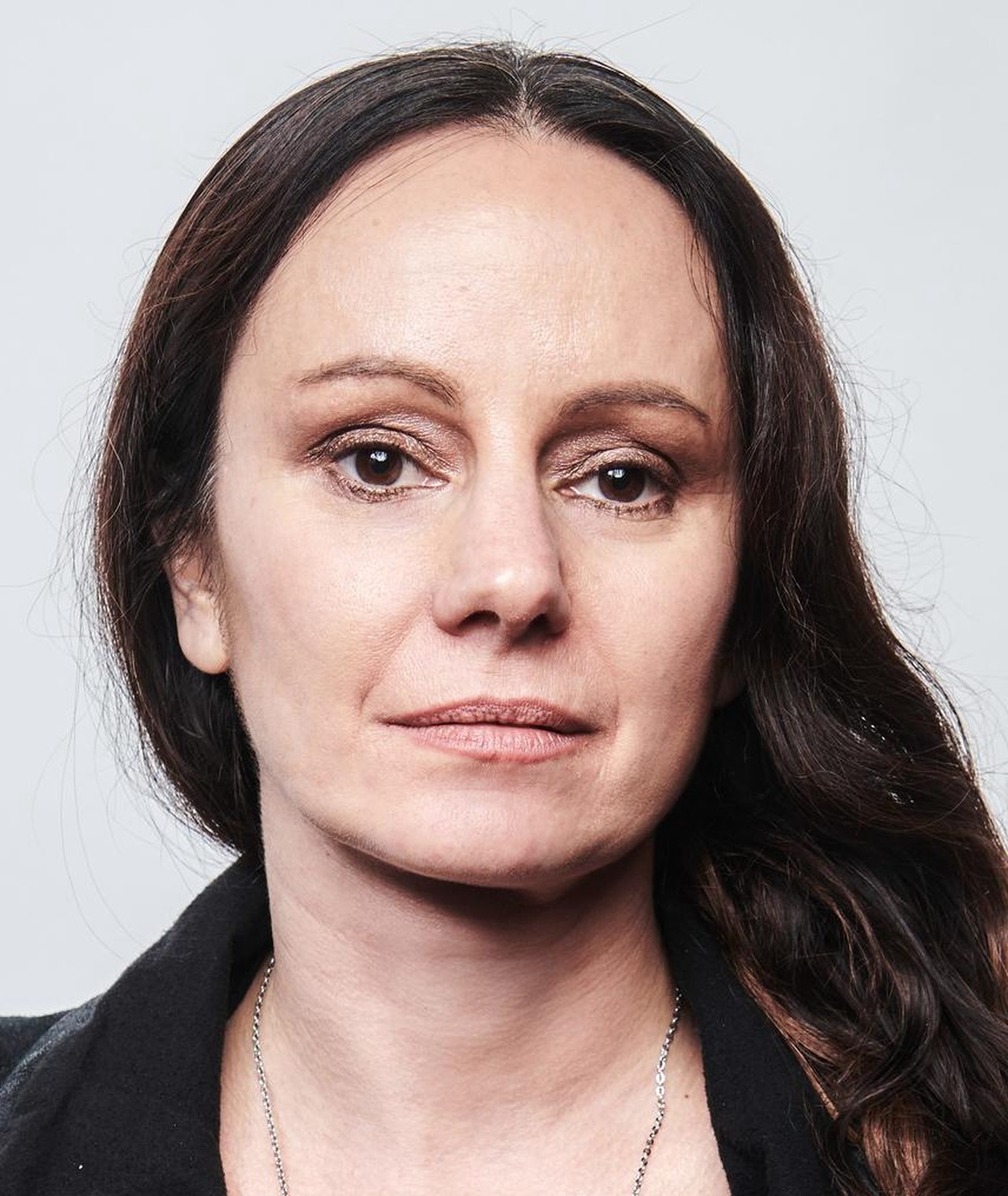
In this episode, I had the chance to speak with Argentinian cinematographer Natasha Braier, ASC, ADF. Her work includes films such as The Neon Demon, Honey Boy, and I Love Boosters. She is the first…
Natasha BraierGuestHost, Exposing the Negative PodcastHostLooking back to when you were starting your career in the early 2000s, what did the industry look like from your perspective? Well, I think it was

in some ways harder than now and some ways easier maybe, you know, the world was very different.

At that time, being a woman, being diverse, you know, being a Latina woman in England, And being quite small, you know, I'm short as well.

So all these things that now are like kind of diversity assets in a way, they weren't at that time.

So there were a lot of things that were harder in a way, you know, just getting kind of respected as a woman.

and i think actually the british film industry was really embracing me more than argentina even you know when i started being a student you know i tried to get a scholarship from argentina when i was accepted in england and like they didn't give me anything i got a scholarship from spain instead which was where i moved with my parents like i actually i felt like england was super supportive to me in my career i feel like i was really embraced and i feel like The male crew was really embracing me in England, you know? They were gentlemen, they were supporting me, but they weren't patronizing.

I really loved the British, and I have to say that I, of course, encounter a lot of problems being a female, a very young female DP in years ago when we were only really like three or four females.

But I travel a lot around the world doing movies, documentaries and commercials, especially.

And so I did encounter a lot of difficult situations and I still do now, you know, even though I have a name and all of that.

But I have to say like England actually was probably the most welcoming place.

You know, like I'm in contact with a lot of young filmmakers, young cinematographers now through Deep Light.

I mentor a lot of people and not just women, you know, like men and non-binary people.

So I know what kind of struggles they go through even now that things are of course more open and in theory we have to support diversity and all of that stuff so I felt like in England for that time people were actually quite welcoming and open and I maybe didn't struggle as hard as other people that I hear in other places of the world or some experience that I had in other places of the world.
Of course.
Looking back to when you were starting your career in the early 2000s, what did the industry look like from your perspective? Well, I think it was

in some ways harder than now and some ways easier maybe, you know, the world was very different.

At that time, being a woman, being diverse, you know, being a Latina woman in England, And being quite small, you know, I'm short as well.

So all these things that now are like kind of diversity assets in a way, they weren't at that time.

So there were a lot of things that were harder in a way, you know, just getting kind of respected as a woman.

and i think actually the british film industry was really embracing me more than argentina even you know when i started being a student you know i tried to get a scholarship from argentina when i was accepted in england and like they didn't give me anything i got a scholarship from spain instead which was where i moved with my parents like i actually i felt like england was super supportive to me in my career i feel like i was really embraced and i feel like The male crew was really embracing me in England, you know? They were gentlemen, they were supporting me, but they weren't patronizing.

I really loved the British, and I have to say that I, of course, encounter a lot of problems being a female, a very young female DP in years ago when we were only really like three or four females.

But I travel a lot around the world doing movies, documentaries and commercials, especially.

And so I did encounter a lot of difficult situations and I still do now, you know, even though I have a name and all of that.

But I have to say like England actually was probably the most welcoming place.

You know, like I'm in contact with a lot of young filmmakers, young cinematographers now through Deep Light.

I mentor a lot of people and not just women, you know, like men and non-binary people.

So I know what kind of struggles they go through even now that things are of course more open and in theory we have to support diversity and all of that stuff so I felt like in England for that time people were actually quite welcoming and open and I maybe didn't struggle as hard as other people that I hear in other places of the world or some experience that I had in other places of the world.
Of course.
The rest of this transcript — segmented and speaker-labeled, so you land on the exact moment something was said
Search every transcript — by keyword, by phrase, or by meaning, across every show Radar indexes
Trends — what is surging across podcasts, measured against its own baseline
Alerts — when a name you follow appears in a newly indexed episode
No account is needed to search Radar.