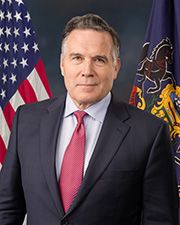
Energy Facility Contractors Group Podcast
Jul 9, 2026 · 38 min · 11 segments
In this special episode of the **EFCOG Exchange Podcast**, host Mike Nartker welcomes Assistant Secretary of Energy for Environmental Management Tim Walsh for a wide-ranging conversation about the…
Tim WalshGuest
Mike NartkerHost
And so to kind of kick things off, you're now about six months into the job leading EM, especially given your unique vantage point, having a background that's been very different from many of your predecessors.

Actually, it's been eight months now, a little over eight months, although I joke with my wife that it feels like it's been about a year and a half.

I'm used to working hard, but this is probably one of the more demanding jobs that I've had in my career, including starting a company from scratch, which grew into a very large, vertically integrated real estate development company.

And as our field managers actually said last week in an intergovernmental meeting, this is not a nine to five job.

You know, we always joked eight months in daily time represents about a decade in real time, I think.

I just wish the bureaucracy would move a little faster to keep up with the pace of things and the pace of change that we're implementing.

How does that background, plus your military service background, shape your approach to leading EMs?

And I think I have a great background with a civil mechanical engineering degree from West Point and from Stanford.

I've always been very entrepreneurial as well and always look at opportunities to improve the way things are done and not just keep doing things the same old way.

So, you know, I think my career in the military... leading men in combat, being able to work in stressful environments, leading large fast track projects.

We used to joke that we called them build design because we were building as fast as they were being designed.

But those were very collaborative projects, which I really enjoyed and actually led me later on To use that same concept, starting Confluence, the company that my wife and I started 20 years ago now, to be a vertically integrated, to really look at cutting sort of the waste in the real estate development and construction process.

And so to kind of kick things off, you're now about six months into the job leading EM, especially given your unique vantage point, having a background that's been very different from many of your predecessors.

Actually, it's been eight months now, a little over eight months, although I joke with my wife that it feels like it's been about a year and a half.

I'm used to working hard, but this is probably one of the more demanding jobs that I've had in my career, including starting a company from scratch, which grew into a very large, vertically integrated real estate development company.

And as our field managers actually said last week in an intergovernmental meeting, this is not a nine to five job.

You know, we always joked eight months in daily time represents about a decade in real time, I think.

I just wish the bureaucracy would move a little faster to keep up with the pace of things and the pace of change that we're implementing.

How does that background, plus your military service background, shape your approach to leading EMs?

And I think I have a great background with a civil mechanical engineering degree from West Point and from Stanford.

I've always been very entrepreneurial as well and always look at opportunities to improve the way things are done and not just keep doing things the same old way.

So, you know, I think my career in the military... leading men in combat, being able to work in stressful environments, leading large fast track projects.

We used to joke that we called them build design because we were building as fast as they were being designed.

But those were very collaborative projects, which I really enjoyed and actually led me later on To use that same concept, starting Confluence, the company that my wife and I started 20 years ago now, to be a vertically integrated, to really look at cutting sort of the waste in the real estate development and construction process.
The rest of this transcript — segmented and speaker-labeled, so you land on the exact moment something was said
Search every transcript — by keyword, by phrase, or by meaning, across every show Radar indexes
Trends — what is surging across podcasts, measured against its own baseline
Alerts — when a name you follow appears in a newly indexed episode
No account is needed to search Radar.