Education Leaders | Evidence Informed School Leadership
Stop Telling Teachers What to Do | A Conversation with Jim Knight
Aug 17, 2026 · 38 min · 11 segments
When a teacher in South Carolina hit 86% on a goal she had set for herself, her school moved off the state's lowest-performing list and the state department called to ask how she had done it. In this…
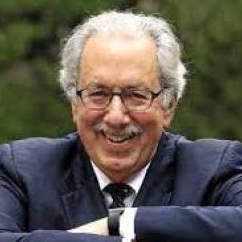
When a teacher in South Carolina hit 86% on a goal she had set for herself, her school moved off the state's lowest-performing list and the state department called to ask how she had done it. In this episode, Jim Knight, founder of the Instructional Coaching Group and the person who coined the term "instructional coaching", explains why that result had almost nothing to do with the teaching strategy involved. Jim has spent thirty years researching professional learning at the University of Kansas Center for Research on Learning, and he brings that research to a frank conversation about why so much well-meaning coaching quietly deprofessionalises the very teachers it is meant to support. You'll learn why Jim treats every coaching relationship as a partnership rather than an instruction, and why even experienced, well-intentioned leaders can slide into telling without noticing they are doing it. Jim walks Shane through the four conversations that move a teacher from watching video of their own classroom to setting a measurable, student-focused goal, using a real example of a teacher whose exit-ticket scores climbed once she and her coach chose cooperative learning strategies together. Along the way, he explains why Richard Boyatzis describes bad goal-setting as being a "helpful bully", and why the satisfaction of giving advice is not the same thing as doing right by the people you lead. If you have ever wondered whether your instinct to fix things for your staff is helping them or holding them back, this conversation offers a clear, research-backed alternative. Resources & Links Mentioned: Jim Knight's Instructional Coaching Group Jim Knight on LinkedIn Jim Knight's books, including Instructional Coaching and The Impact Cycle Coaching Conversations podcast with Jim Knight Daniel Pink's "Drive" Self-determination theory (Deci and Ryan) Miller and Rollnick's work on motivational interviewing Michael Bungay Stanier's "The Coaching Habit" Bryan Goodwin and McREL's "The New Classroom Instruction That Works" Marzano's "Classroom Instruction That Works" (McREL) Spencer Kagan's cooperative learning structures Learning Forward (formerly the National Staff Development Council) Episode Partners International Curriculum Association Sisi Join Shane's Intensive Leadership Programme at educationleaders.co/intensive Shane Leaning, an organisational coach based in Shanghai, supports school leaders globally. Passionate about empowment, he is the author of the best-selling 'Change Starts Here.' Shane is a leading educational voice in the UK, Asia and around the world. You can find Shane on LinkedIn and Bluesky. or shaneleaning.com * * * Hosted on Acast. See acast.com/privacy for more information.
When a teacher in South Carolina hit 86% on a goal she had set for herself, her school moved off the state's lowest-performing list and the state department called to ask how she had done it. In this…