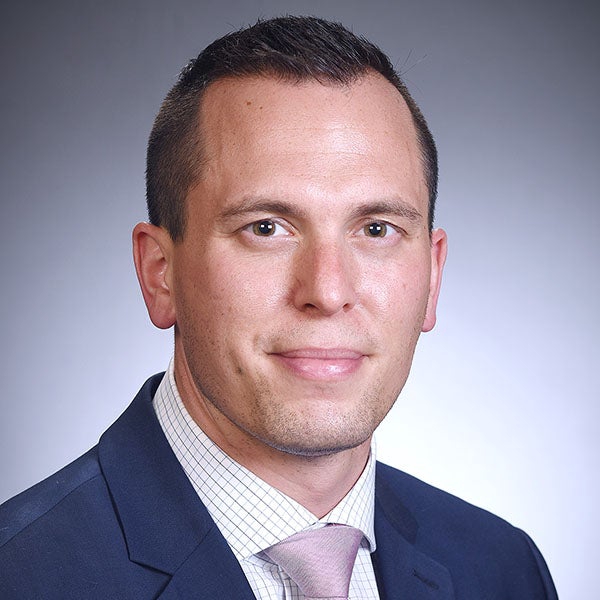
Changing the Conversation Around Childhood Obesity | with Dr. Evan Nadler
Jun 29, 2026 · 46 min · 15 segments
Dr. Inyang Takon welcomes **Dr. Evan Nadler**, an internationally recognised paediatric surgeon and childhood obesity specialist, for an honest conversation that challenges many of the assumptions…
Dr. Inyang Takon welcomes **Dr. Evan Nadler**, an internationally recognised paediatric surgeon and childhood obesity specialist, for an honest conversation that challenges many of the assumptions surrounding childhood obesity. Drawing on more than two decades of clinical experience, Dr. Nadler explains why obesity should no longer be viewed as a personal failure or lack of willpower. The discussion explores why many families become trapped in an exhausting cycle of diet and exercise programmes that produce limited long-term results, often leaving parents feeling blamed and children feeling ashamed. The episode goes on to explore obesity in children with neurodevelopmental differences, who often face additional barriers to receiving appropriate treatment. Dr. Nadler explains why obesity should not be placed on the "back burner" while other conditions are managed, but instead addressed alongside them through multidisciplinary care and shared decision-making with families. Rather than advocating a single treatment, Dr. Nadler presents a balanced discussion about lifestyle interventions, medications, and bariatric surgery, emphasising that the best approach depends on the individual child and should always involve informed family choice—not paternalistic medicine. Whether you're a parent, healthcare professional, educator, or policymaker, this conversation will challenge long-held beliefs and encourage a more compassionate, evidence-based approach to supporting children living with obesity. # 🎯 What You'll Learn - Why childhood obesity is a chronic disease—not a lifestyle choice - The genetic, biological and environmental drivers of obesity - Why diet and exercise alone often aren't enough - How obesity affects children with neurodevelopmental differences - Why early intervention matters more than "waiting to see" - How stigma in healthcare can harm children and families - When medications and bariatric surgery may be appropriate - Why families should be partners in treatment decisions - The long-term health risks of delaying intervention - How clinicians can support children without judgement # ⏱️ Chapters 00:00 Introduction to Early Intervention Matters Podcast 02:39 The Growing Concern of Childhood Obesity 04:40 Understanding the Challenges in Treating Obesity 08:16 The Importance of Medical Intervention 11:31 The Complexity of Childhood Obesity 15:06 The Psychological Impact of Obesity on Children 17:24 Stigmatisation in Medical Settings 18:57 Defining Obesity as a Disease 22:17 The Urgency of Addressing Childhood Obesity Evan P. Nadler MD served as Co-Director of the Children’s National Obesity Programs and Director of the Child and Adolescent Weight Loss Surgery Program at Children’s National Hospital from 2009 until 2023. He was also a tenured Associate Professor of Surgery, and Pediatrics, at The George Washington University School of Medicine & Health Sciences and continues there as an Adjunct Associate Professor. His current pursuits include pediatric obesity treatment program development, authoring a book on obesity, and educating the public about obesity via his YouTube channel, website, and media appearances. Dr. Nadler is an international leader in the field of child and adolescent obesity, has authored multiple publications and textbook chapters on the topic of pediatric bariatric surgery, and was one of the founding members of the Childhood Obesity Committee of the American Pediatric Surgery Association. Obesity Explained | Evan P Nadler MD, MBA www.youtube.com/@obesityexplained Evan Nadler MD, MBA | LinkedIn Support the show **Resources** General Information for Parents www.school-doctor.com Questions? Email Us at [eim@drtakon.com](mailto:eim@drtakon.com)
Dr. Inyang Takon welcomes **Dr. Evan Nadler**, an internationally recognised paediatric surgeon and childhood obesity specialist, for an honest conversation that challenges many of the assumptions…