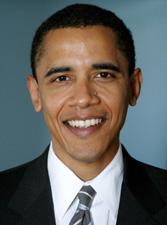
"Which Environmental Choices Make the Biggest Difference?" w/ Prof Rick Larrick
Sep 14, 2026 · 28 min · 8 segments
*Professor Rick Larrick explains how to focus on high-impact climate decisions and communicate them effectively.* Climate change can leave people feeling that they must do everything or that nothing…
*Professor Rick Larrick explains how to focus on high-impact climate decisions and communicate them effectively.* Climate change can leave people feeling that they must do everything or that nothing they do matters. The scale of the problem, other people’s inaction, and alarming media coverage can all make people feel overwhelmed and lead them to avoid thinking about climate altogether. In this episode, Professor Rick Larrick discusses a more practical approach: focusing on environmental decisions that have the greatest impact. Larrick, whose research examines judgment, decision making, social psychology, organizational behavior, and environmental decisions, also describes his forthcoming course in Duke’s Master in Business, Climate and Sustainability. Larrick identifies transportation, food, and home heating as three large categories of personal carbon emissions. For transportation, he points to driving less when possible and considering the next car purchase; for food, he highlights eating less beef and moving toward more plant-based protein. For homes, he describes opportunities such as heat pumps, insulation, and smaller homes that require less heating. The goal is not an all-or-nothing approach. “The perfect can be the enemy of the good,” Larrick says. He contrasts high-impact choices with actions with little impact on carbon emissions, such as recycling and turning off lights. He cites “single-action bias”: when people choose one visible environmental action, they may feel they have done enough while in fact they are leaving more substantive sources of emissions untouched. Larrick’s research on the “miles-per-gallon illusion” shows why the metric can lead consumers to overlook the largest fuel savings. Replacing a 10-mpg vehicle with a 20-mpg one saves five gallons per 100 miles, while replacing a 20-mpg vehicle with a 50-mpg only saves three. The biggest gains, he says, come from moving vehicles out of the teens and into the 20-to-30-mpg range. To make those savings clearer, updated vehicle labels show five-year fuel use, cost, and how a vehicle compares with the average. In Duke’s Master in Business, Climate and Sustainability program, Larrick will focus on how people with environmental knowledge can influence organizations, even when they are not the ones making the final decisions. The course will examine how to communicate environmental issues so that others understand their value and why they should care, helping students shape better decisions with good information. Duke Fuqua Insights features digestible conversations with our faculty about the most impactful research from their careers, including studies they teach in Fuqua classes. New episodes every other week in season. For more from Duke Fuqua, visit us on LinkedIn, Instagram, Facebook, Bluesky, and the Duke Fuqua Insights newsletter.
*Professor Rick Larrick explains how to focus on high-impact climate decisions and communicate them effectively.* Climate change can leave people feeling that they must do everything or that nothing…
- Show signals
- Audience≈33k followers