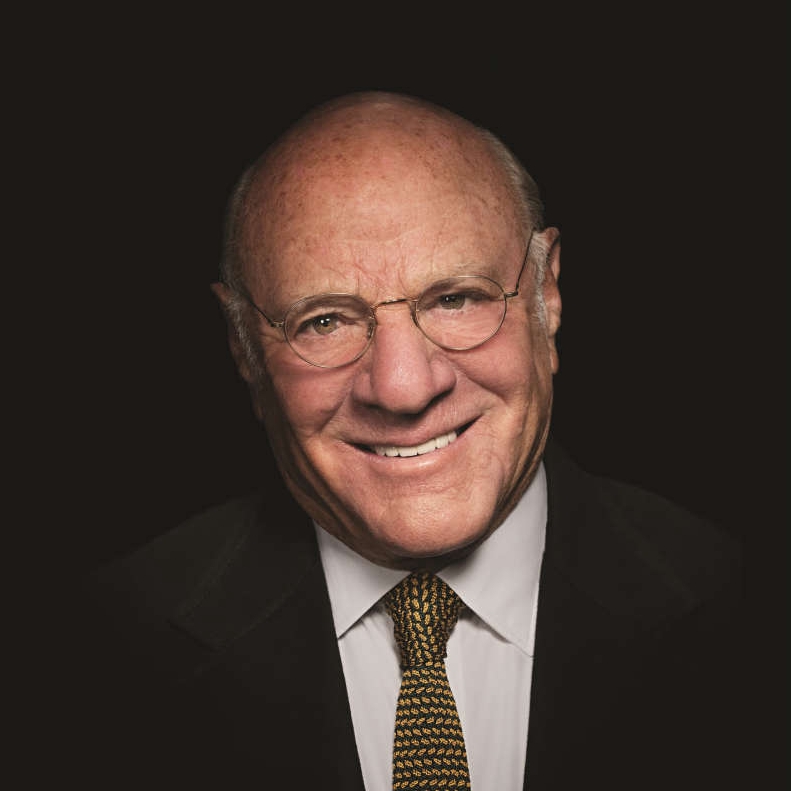
Strauss Zelnick, Take-Two Interactive
May 17, 2026 · 1 hr 39 min · 26 segments
Strauss Zelnick has spent 40 years doing the same thing: finding where new technology is about to supercharge an old business, and getting there first. He started at Columbia Pictures in 1983 running…
Strauss Zelnick has spent 40 years doing the same thing: finding where new technology is about to supercharge an old business, and getting there first. He started at Columbia Pictures in 1983 running international TV distribution. When the company needed a "new media" person, they looked for the least valuable executive they could spare. That was Zelnick. New media in 1983 meant VHS cassettes. He took the assignment anyway. By 2001, when he started ZMC, he had one thesis: technology would supercharge media and destroy it simultaneously, and the only companies worth owning sat at that intersection. In 2007, he used it to take over Take-Two Interactive with no money. The company had a chairman under indictment, four government investigations, and six months of cash left. Zelnick had written memos for Carl Icahn twice saying stay away. Then Icahn told him to read the bylaws. A plain vanilla Delaware charter allowed a board replacement if a majority of shares physically present at the annual meeting voted for it. Zelnick met the 10 hedge funds holding 70% of the stock, got commitments, walked in thinking he had 48%, discovered most had loaned their shares to short sellers, and won with 88%. The only asset worth keeping was GTA. His pitch to creative talent: we will fund your vision, stay out of your way, and run a company where nobody gets indicted. Market cap when he arrived: $700 million. Today: roughly $35 billion. Show notes: https://www.davidsenra.com/episode/strauss-zelnick Made possible by Ramp: https://ramp.com Deel: https://deel.com/senra Chapters (00:00:00) Hostile Takeover With No Money (00:01:29) Becoming the New Media Guy (00:03:58) Lessons From Entertainment History (00:09:44) Why Hollywood Feared Games (00:11:52) Fox Turnaround and Barry Diller (00:20:54) Rupert Murdoch and High Stakes Calm (00:26:20) Taking the Leap to Crystal Dynamics (00:38:04) Bootstrapping Without Capital (00:43:57) Carl Icahn Connection (00:47:01) Take Two Proxy Coup (00:56:36) Turnaround Cost Cutting Playbook (01:01:37) Leading Creative Geniuses (01:06:24) Rationality Beats Magic (01:07:54) Borderlands Bet (01:09:28) GTA Timelines Pressure (01:11:22) Specific Goals Visualization (01:21:34) Service Leadership Mindset (01:31:52) Media Versus Entertainment (01:34:22) AI Productivity Reality (01:36:08) Why Hits Surprise Learn more about your ad choices. Visit megaphone.fm/adchoices
Strauss Zelnick has spent 40 years doing the same thing: finding where new technology is about to supercharge an old business, and getting there first. He started at Columbia Pictures in 1983 running…
- Show signals
- SuitabilityBrand safeApple charts#6 · Business