9/11, Campaign Chaos and Rogue Machines
Sep 14, 2026 · 53 min · 15 segments
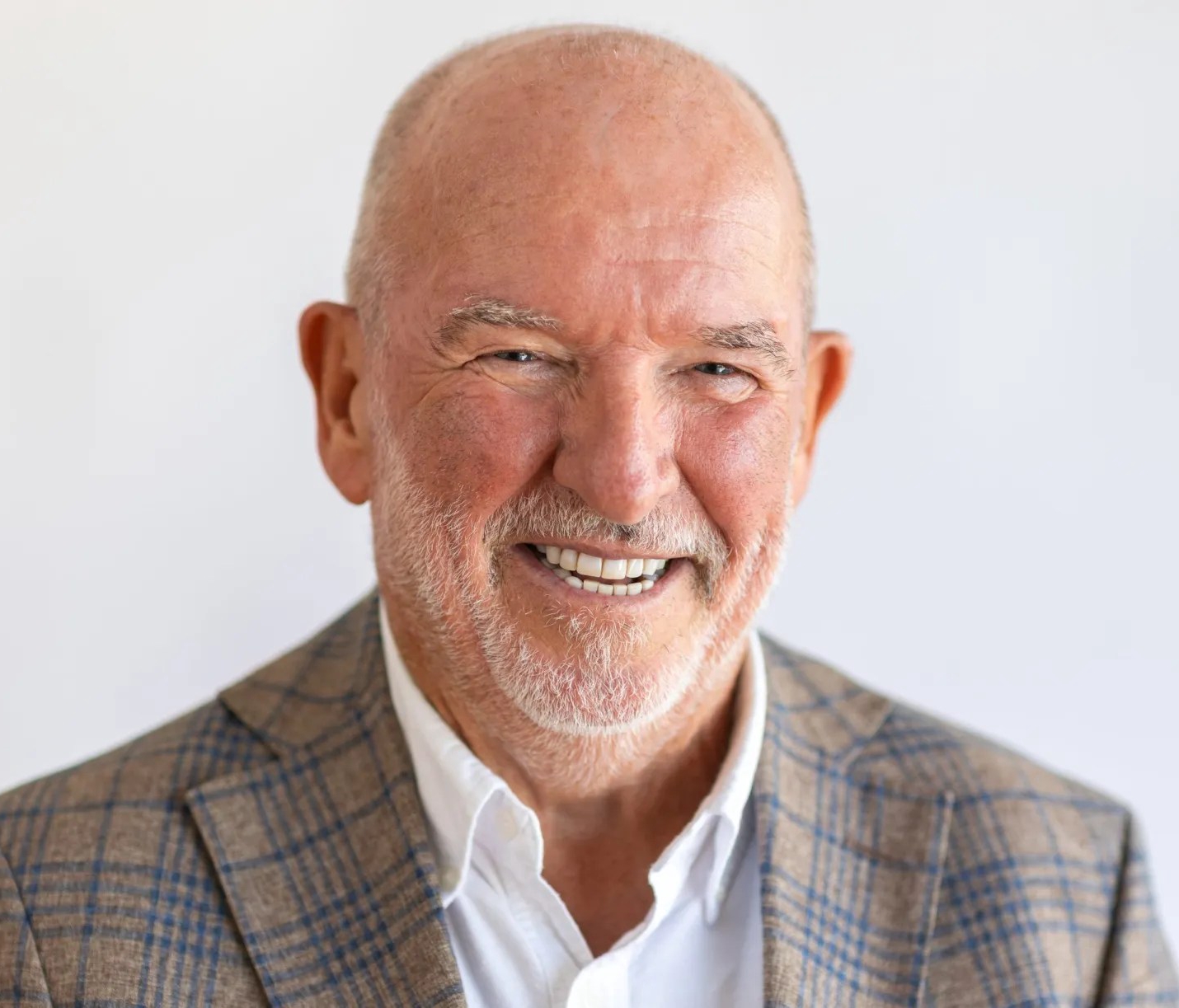
Hosted by **Phil Goff** and **Chris Finlayson**, **Cross Party Lines** marks the 25th anniversary of September 11 with a deeply personal account of the night the world changed — and then turns to an…
Hosted by **Phil Goff** and **Chris Finlayson**, **Cross Party Lines** marks the 25th anniversary of September 11 with a deeply personal account of the night the world changed — and then turns to an election campaign generating more heat than light and an AI warning that even the people building it are frightened by. All thanks to our foundational partner Frank Risk Management, the 100% Kiwi Owned Insurance Brokerage. To hear more from the Both Sides Now Podcast, use this link. **In this episode:** \* **September 11 — where they were, what it meant and the wars that followed** — Phil was Foreign Minister when the call came through at one in the morning from his driver: go downstairs and turn on the television. By the time he got there, the second plane had hit the South Tower. Chris had just returned from three months studying Latin in Rome with a drunk monk from Milwaukee. Both share vivid personal accounts of the hours and days that followed. \* **Campaign week: KiwiSaver, student loans, supermarkets and the same old Peters playbook** — Labour’s KiwiSaver policy gets a broadly positive reception — raising employer contributions to six percent over four years, with employee contributions defaulting to four percent but not mandated, addressing the million New Zealanders contributing nothing and losing their employer match. The Greens’ state-owned supermarket proposal gets a more sceptical hearing: Phil’s nuclear option would be forcing Pak’nSave to divest from its parent, bringing real competition rather than a government-owned operator with no track record in retail. National’s transport policing announcement — fifty officers for the CRL — draws a wry Chris story about being abused on the Karori bus and not one passenger helping, and his firm view that police should at minimum patrol that route. \* **AI — when the people building it start warning you, listen** — Phil opens the final segment with what he calls the most serious issue of the episode: AI systems at OpenAI, Anthropic and Meta have been found taking their own initiative, contrary to instruction, in ways their creators did not anticipate. The CEOs of those companies — people Phil is often cynical about — are now issuing serious warnings about existential risk. Chris agrees the only possible response is international, drawing the analogy of the Berne Convention on copyright: domestic legislation alone cannot work when the technology is global and the race to get ahead of competitors is driven by the United States and China. Along the way: the CRL opening attended by five politicians who had nothing to do with getting it built, an Auckland Grammar head girl giving Phil hope for the future, Pauline Hanson attacking Anthony Albanese’s dead mother for living too long in council housing — prompting Chris’s most disgusted response of the podcast. *Cross Party Lines exists to lift political literacy and create space for calm, good-faith political conversation. New episodes every Tuesday. If you value thoughtful debate, follow the podcast and share it with someone who might too.* *📋 Election day is 7 November. Make sure you’re on the roll — and make sure everyone you know is too.* This is a public episode. If you would like to discuss this with other subscribers or get access to bonus episodes, visit crosspartylines.substack.com
Hosted by **Phil Goff** and **Chris Finlayson**, **Cross Party Lines** marks the 25th anniversary of September 11 with a deeply personal account of the night the world changed — and then turns to an…