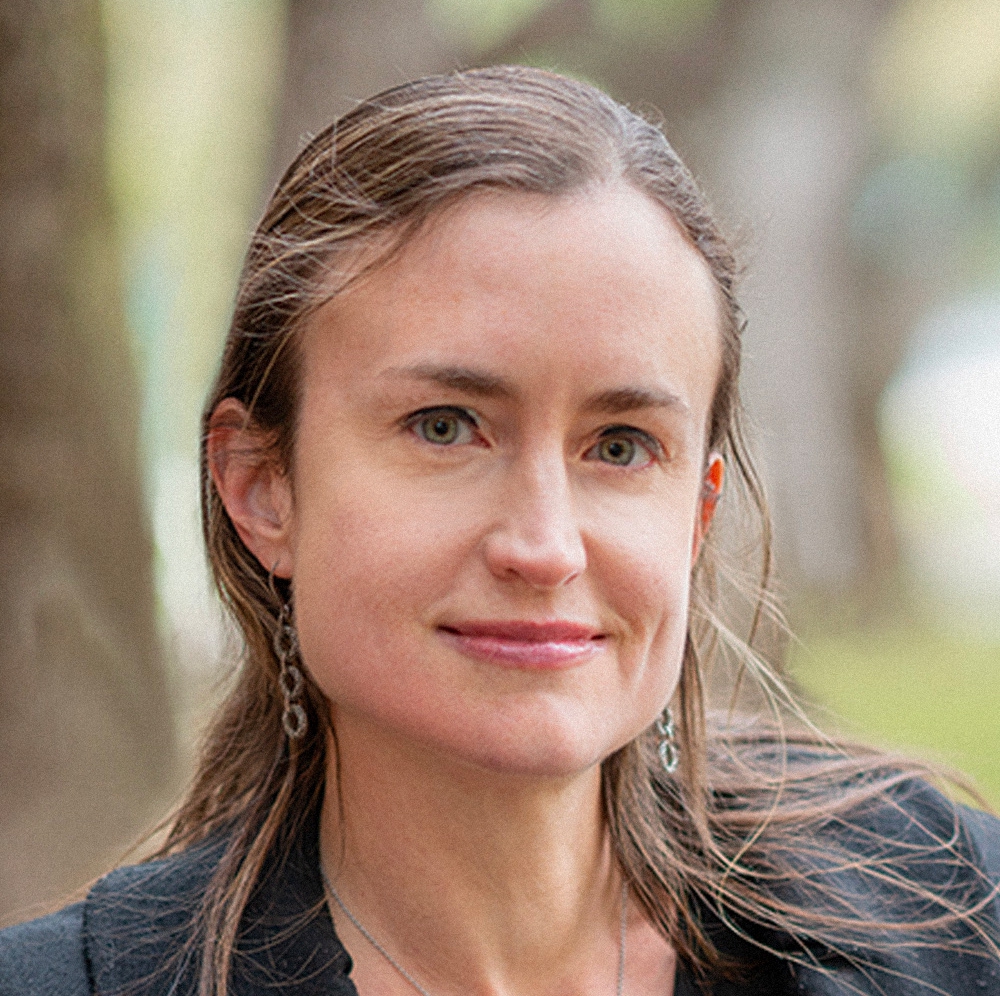
Confronting Christianity with Rebecca McLaughlin
Jul 14, 2026 · 57 min · 12 segments
Kyle Worley and Rebecca McLaughlin discuss the question; are transgender women, women?Questions Covered in This Episode: - What is a man? What is a woman? - Is a transgender woman a woman? - What…
Rebecca McLaughlinHostKyle WorleyHostAnd I think there are many Christians today who are giving an absolutely simple answer to that question.
So many people in my country, actually many non-Christians, are defining women as an adult human female.
And that seems like a very kind of helpful basic dictionary definition of what a woman is and something that it's troubling when many feel like they can't embrace that definition of a woman.
At the same time, I think we need to recognize as Christians the ways in which we have sometimes defined a man and a woman differently.
in ways that go beyond what the Bible says, actually in some parallel ways to how some non-believers might go beyond scriptural categories in defining men and women today.
So what do I mean by that? I'm curious for your thoughts on this actually, Kyle.
It seems to me there are three different pieces or angles that we can approach this question from.
We can think about biology, we can think about theology, and we can think about psychology.
And I think that having a definition of a man and a woman that is rooted in biology is profoundly important.
And as far as I know, for both of us, that is actually a completely uncomplicated biological question and answer.
And I think an important footnote here is that while, because what you just said kind of signals that for some people, it may not be uncomplicated, but for the majority of people as a norm, the anatomical biological alignment of their gender or birth gender is fairly uncomplicated.
The very large majority of people, that's true for the large majority, actually, of people who identify as transgender as their kind of gender identity today, their biological sex is straightforwardly male or female.
As opposed to like a situation of intersex or some sort of anatomical complications.
So at the same time, and I have a dear friend, you have two kids who were born with disorders of sexual development, which is sometimes described as intersex.
Where in this case, these two kids are chromosomally male, but presented looking more female at birth.
So actually there are a small proportion of people for whom there is real sort of biological complexity.
And sadly, people in that category often use the sort of pawns by both sides in these kinds of conversations.
And I think there are many Christians today who are giving an absolutely simple answer to that question.
So many people in my country, actually many non-Christians, are defining women as an adult human female.
And that seems like a very kind of helpful basic dictionary definition of what a woman is and something that it's troubling when many feel like they can't embrace that definition of a woman.
At the same time, I think we need to recognize as Christians the ways in which we have sometimes defined a man and a woman differently.
in ways that go beyond what the Bible says, actually in some parallel ways to how some non-believers might go beyond scriptural categories in defining men and women today.
So what do I mean by that? I'm curious for your thoughts on this actually, Kyle.
It seems to me there are three different pieces or angles that we can approach this question from.
We can think about biology, we can think about theology, and we can think about psychology.
And I think that having a definition of a man and a woman that is rooted in biology is profoundly important.
And as far as I know, for both of us, that is actually a completely uncomplicated biological question and answer.
And I think an important footnote here is that while, because what you just said kind of signals that for some people, it may not be uncomplicated, but for the majority of people as a norm, the anatomical biological alignment of their gender or birth gender is fairly uncomplicated.
The very large majority of people, that's true for the large majority, actually, of people who identify as transgender as their kind of gender identity today, their biological sex is straightforwardly male or female.
As opposed to like a situation of intersex or some sort of anatomical complications.
So at the same time, and I have a dear friend, you have two kids who were born with disorders of sexual development, which is sometimes described as intersex.
Where in this case, these two kids are chromosomally male, but presented looking more female at birth.
So actually there are a small proportion of people for whom there is real sort of biological complexity.
And sadly, people in that category often use the sort of pawns by both sides in these kinds of conversations.
The rest of this transcript — segmented and speaker-labeled, so you land on the exact moment something was said
Search every transcript — by keyword, by phrase, or by meaning, across every show Radar indexes
Trends — what is surging across podcasts, measured against its own baseline
Alerts — when a name you follow appears in a newly indexed episode
No account is needed to search Radar.