This is really a societal change that we're talking about here with these new technologies.
And what do you see in terms of political leaders and educators, for example, how they should be responding and preparing people for some of these big changes that are coming?
I'm a huge believer that one of the skill sets that, quite frankly, we have really, that we've really, really lost is our ability to fundamentally ask the right questions.
And this false notion, this false Silicon Valley narrative of let's just fail fast.
Let's just wake up in the morning and everybody, hey, let me tell you, we lost a billion dollars today, but we did it in one month.
Let's even get better, right? Or imagine that from an AI perspective in loss of life, right? The issue is it's not about failing fast or failing slow.
That's what educators and that's what politicians and government leaders and teachers, we have to focus on putting in mechanisms in AI to help us accelerate our rate of learning so that we don't recreate the same mistakes and keep creating the same things in the past.
The second thing that we have to do is really help ourselves focus on the art of how do we fundamentally ask the right questions.
I wrote a book that's called Questionary, but But basically, the ability for us to take time to ask the right question is so important.
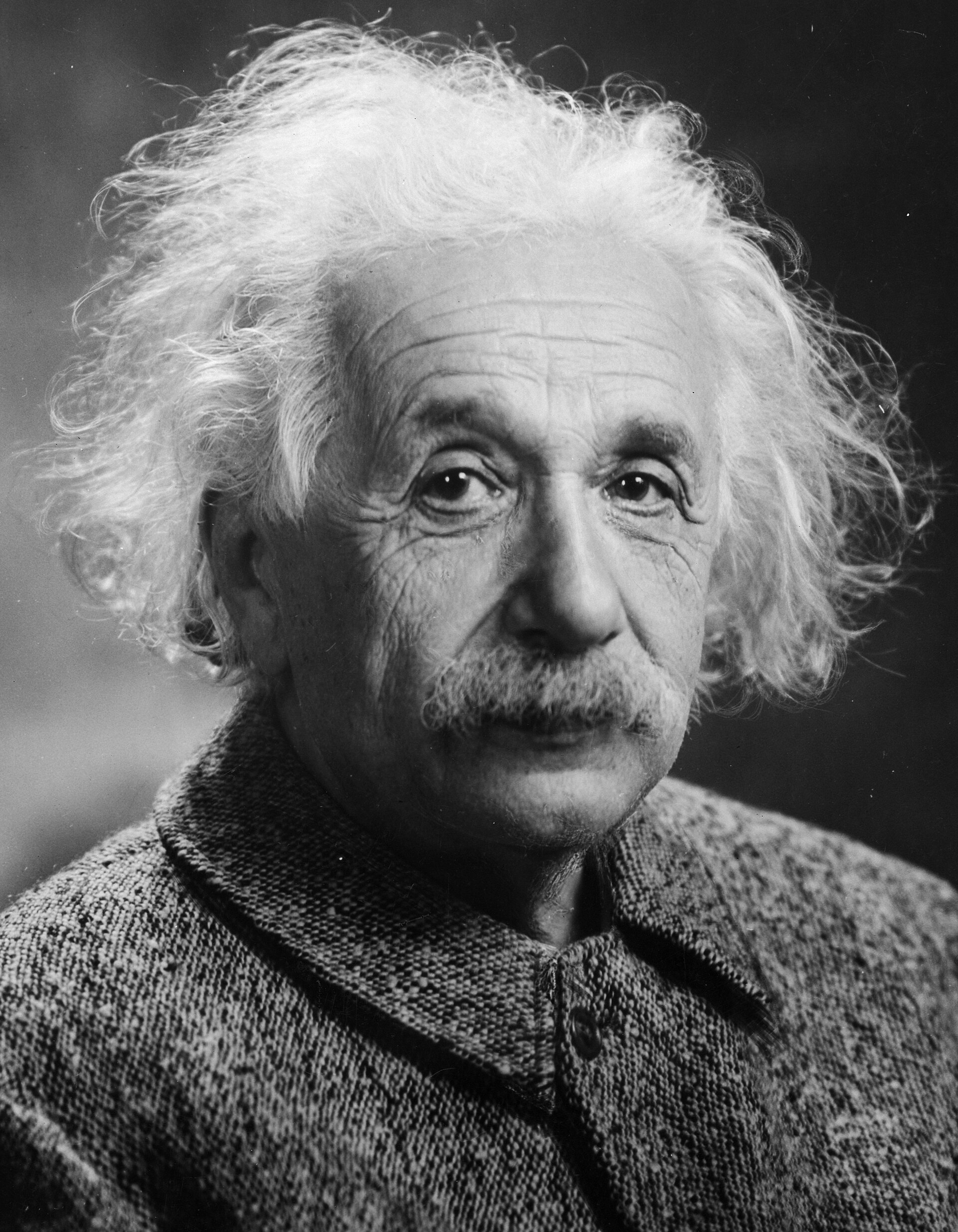
Einstein said if he had 90 seconds, 50 seconds to save the world, he would think about the problem in 50 seconds and solve it the last 10.
We do just the opposite, right? We need to be clear on what question do we think we're asking.
The rest of this transcript — segmented and speaker-labeled, so you land on the exact moment something was said
Search every transcript — by keyword, by phrase, or by meaning, across every show Radar indexes
Trends — what is surging across podcasts, measured against its own baseline
Alerts — when a name you follow appears in a newly indexed episode
No account is needed to search Radar.