Aug 13, 2026 · 24 min · 7 segments
*Listen to Part 1 first to understand our references to the Puritans and the Work Ethic.* In this episode, Professor Anderson and I…
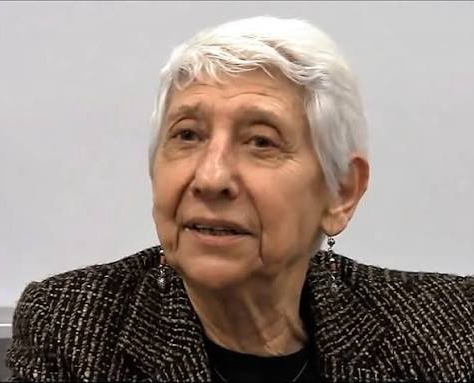
Elizabeth AndersonGuest
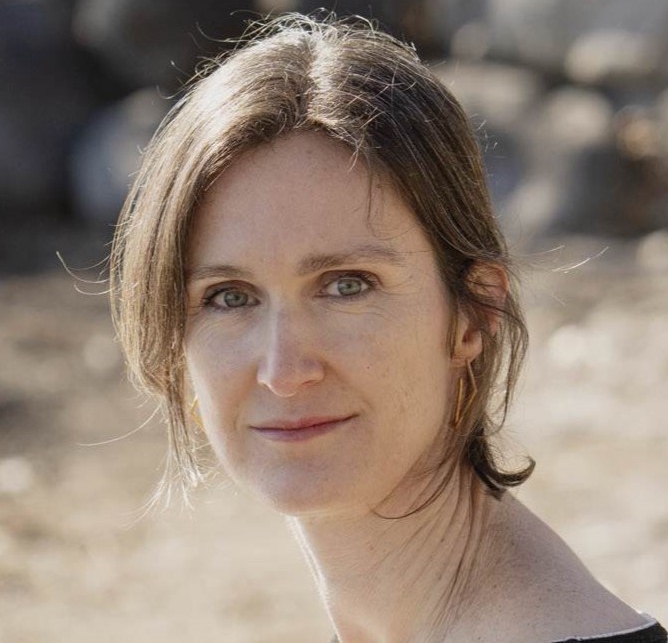
Nancy ElizabethHost
Well, just on that point of, of labor and value being completely out of whack, let's pivot to an entirely different industry.

Um, you know, an industry that is disproportionately held together by the underpaid, undervalued work of women.

Um, a lot of the time it's immigrant women or women of color doing this kind of work.

Um, so I suppose my question is, you know, in, in the care industry, how do you see that, that imbalance of the work that is done versus the value that is given, uh, when it comes to that, that work that is, I don't think anybody would argue against this, good, that contributes to society in, in the ways that, you know, we talked about all those duties requiring one to do, right?

So I want to point out first that a huge percentage of care work is not paid because it's takes place within the family, and the vast majority of that work is done by women, [chuckles] right? So the, the alloc- because the division of labor, domestic division of unpaid labor is allocated to women, it puts women in a very vulnerable situation.

You know, there is unequal wages in the paid workplace, uh, but the bigger share, uh, of inequality is coming from the disproportionate allocation of care labor at home.

Now, as I pointed out before, if you're gonna be serious about the work ethic, [laughs] right, that's, uh, as the Puritans were, that has to be recognized as of course it's work, [laughs] right? I mean, nothing is more important than raising the next generation of human beings.

[laughs] And we do know actually from, uh, the excellent work of child psychologists who work on development that early childhood development, healthy child development requires enormous attention, including at the youngest ages.

Um, people consider it, you know, unskilled drudgery, [chuckles] a- and it can be turned into that, uh, depending on the arrangements of, uh, uh, paid like daycare work.

Um, but there's very little recognition of how much actual personal investment of time and energy and emotional energy and attention is needed even by the tiniest infants.

Uh, but they need interaction with other human beings, and loving interaction and attentive interaction, and consequently it's quite expensive [chuckles] and, and, and really needs, uh, very substantial, uh, investment to make it work and not just to impoverish the people who are doing that work, whether they're unpaid family members or paid in the early childhood and daycare, uh, domains.

Well, just on that point of, of labor and value being completely out of whack, let's pivot to an entirely different industry.

Um, you know, an industry that is disproportionately held together by the underpaid, undervalued work of women.

Um, a lot of the time it's immigrant women or women of color doing this kind of work.

Um, so I suppose my question is, you know, in, in the care industry, how do you see that, that imbalance of the work that is done versus the value that is given, uh, when it comes to that, that work that is, I don't think anybody would argue against this, good, that contributes to society in, in the ways that, you know, we talked about all those duties requiring one to do, right?

So I want to point out first that a huge percentage of care work is not paid because it's takes place within the family, and the vast majority of that work is done by women, [chuckles] right? So the, the alloc- because the division of labor, domestic division of unpaid labor is allocated to women, it puts women in a very vulnerable situation.

You know, there is unequal wages in the paid workplace, uh, but the bigger share, uh, of inequality is coming from the disproportionate allocation of care labor at home.

Now, as I pointed out before, if you're gonna be serious about the work ethic, [laughs] right, that's, uh, as the Puritans were, that has to be recognized as of course it's work, [laughs] right? I mean, nothing is more important than raising the next generation of human beings.

[laughs] And we do know actually from, uh, the excellent work of child psychologists who work on development that early childhood development, healthy child development requires enormous attention, including at the youngest ages.

Um, people consider it, you know, unskilled drudgery, [chuckles] a- and it can be turned into that, uh, depending on the arrangements of, uh, uh, paid like daycare work.

Um, but there's very little recognition of how much actual personal investment of time and energy and emotional energy and attention is needed even by the tiniest infants.

Uh, but they need interaction with other human beings, and loving interaction and attentive interaction, and consequently it's quite expensive [chuckles] and, and, and really needs, uh, very substantial, uh, investment to make it work and not just to impoverish the people who are doing that work, whether they're unpaid family members or paid in the early childhood and daycare, uh, domains.
The rest of this transcript — segmented and speaker-labeled, so you land on the exact moment something was said
Search every transcript — by keyword, by phrase, or by meaning, across every show Radar indexes
Trends — what is surging across podcasts, measured against its own baseline
Alerts — when a name you follow appears in a newly indexed episode
No account is needed to search Radar.