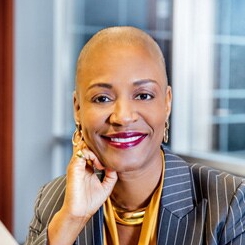
#246 Melissa Hamilton: Still Waiting to Be Consulted?
Jun 11, 2026 · 17 min · 11 segments
There's a question sitting underneath a lot of leadership conversations right now, one that most people aren't saying out loud: am I actually adding value to what matters — or am I just busy? Felecia…
There's a question sitting underneath a lot of leadership conversations right now, one that most people aren't saying out loud: am I actually adding value to what matters — or am I just busy? Felecia Pryor received a piece of feedback early in her career that stung: don't play in the garden when the house is on fire. More than any other conversation in the CPO series, this line has resonated and I think it might be the most important question any executive can ask of themselves right now. Not in a performance review. Not in a strategy session. Right now, today, looking honestly at where your time and thinking actually goes. This episode is my reflection on the Shaping the Future CPO series — six conversations with some of the most senior people leaders. I let the insights settle for several months before coming back to them. What rose to the surface wasn't about HR frameworks or people strategy in the traditional sense. It was about what it actually takes to be at the centre of strategic decisions rather than downstream of them. And it applies far beyond the CPO role. What's inside: - Don't play in the garden — Felecia Pryor's confronting early-career feedback and the question every executive should be sitting with right now - Step towards the tension — Why Amy Walker's deliberate practice of moving into discomfort is what earns you a place at the strategic table — and why so many senior leaders are conditioned to do the opposite - The influence you can't see — What Amy Stanley and Shomaice Zowghi revealed about the influence that has no audience — and why it's often more powerful than anything visible on your CV - Curiosity is not optional — Why Anu Villarosa designs for curiosity deliberately, what Damian Zahra's feedback work taught me, and what happens to leaders who stay too long in their own lane - Are you in the house? — What being at the strategic table actually requires, and why getting invited to the meeting isn't the same thing If this lands, come and find me on LinkedIn. I'd love to know which of these insights hits closest to home. https://www.linkedin.com/company/brave-feminine-leadership Book time to connect with Melissa - 15 mins: https://calendly.com/brave-feminine-leadership/curious-for-feedbackb WORK WITH MELISSA: The Executive Shift — 8-week intensive for senior women ready to lead at full power: https://bravefeminineleadership.com/the-executive-shift INFLUENCE Mastermind — 6-month peer advisory for sitting CEOs (max 6, invitation only): https://bravefeminineleadership.com/programs/ceo\_mastermind 1:1 Executive Coaching — https://calendly.com/the-brave-group/executive-coaching \----------------------- Craving inspiration? I send an email each Sunday about leadership reflection, top tips to build an intentional & sustainable life and other things that have captured my attention and are too good not to share! Sign up here: https://www.bravefeminineleadership.com/leadershipinspiration Loving the podcast? Leave us a short review. It takes less than 60 seconds & will inspire like-minded leaders to join the conversation! Access Your Free Clarity Tool Between the endless to-do lists, competing priorities, and decisions piling up, it’s easy to lose sight of what matters most. But here’s the truth: you can’t give more if you’re running on empty. That’s why we created Balance Your Brave—a free 15-minute diagnostic tool to help you regain control and clarity. In just 15 minutes, you will: ✅ Pinpoint energy drains holding you back. ✅ Identify where to focus for the biggest impact. ✅ Walk away feeling calmer and more confident in your next steps. Think of it as your personal roadmap to balance and alignment. ⬇️ Click here to access your free Balance Your Brave diagnostic tool. https://www.bravefeminineleadership.com/Balance-Your-Brave Are we friends? Connect with Us. Instagram: https://www.instagram.com/bravefeminineleadership Linkedin: https://www.linkedin.com/company/brave-feminine-leadership
There's a question sitting underneath a lot of leadership conversations right now, one that most people aren't saying out loud: am I actually adding value to what matters — or am I just busy? Felecia…