Brainjo Bites: The Art & Science of Molding a Musical Mind
Jun 12, 2026 · 7 min · 6 segments
Dr. Josh Turknett — neurologist and author of The Genius and the Impostor — introduces the show, the framework, and the two characters living inside your brain that…
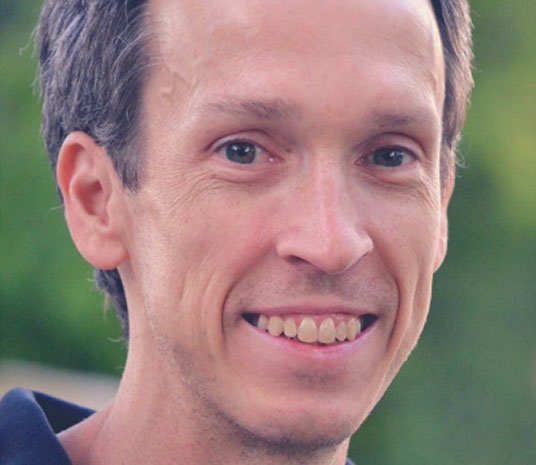
Josh TurknettHost
So what is performance neurology? Well, I am a neurologist, and for much of my career, I worked as a clinical neurologist, and one way to describe the job of a clinical neurologist is that we close the gap between dysfunction and normal.

These days, I spend most of my time working as a performance neurologist, and the job of a performance neurologist is to close the gap between normal and what someone is capable of, to find out what's in the way and treat that.

And in both cases, the questions are the same: What system is involved? What mechanism is breaking down? And what intervention will address it? Having spent my life studying the brain, one thing has become clear to me, which is most people are capable of far more than they realize.

Helping people reach those capabilities comes down to removing barriers, and almost always helping people reach those capabilities comes down to removing barriers, and those barriers usually live in two domains, learning and performing.

Your extraordinary potential exists because of your brain's boundless capacity for learning.

But all of the learning in the world won't help if you can't get to what you've learned when you need it.

That's the performing side, being able to reach the right knowledge and skills in the moment you need them.

We find ourselves performing at our worst exactly when we want to be at our best.

When you get stuck, when your progress hits a wall, that's fundamentally a neurological issue, and you can find what's causing it the same way you'd find the cause of a numb hand or a weak foot.

Some of you know I founded Brainjo over a decade ago on the premise that anyone can learn to play music because learning relies on neurological mechanisms that we all share.

Seeing so many people realize their musical dreams later in life, including those who thought they didn't have a musical bone in their body or who'd try to learn before and come up short, reinforced what's possible when you take a systematic neuroscience-based approach to finding out what's standing in the way, the same approach that you'd use in the neurology clinic.

So when I say I believe you're capable of more than you realize, that's not just based on scientific theory.
The rest of this transcript — segmented and speaker-labeled, so you land on the exact moment something was said
Search every transcript — by keyword, by phrase, or by meaning, across every show Radar indexes
Trends — what is surging across podcasts, measured against its own baseline
Alerts — when a name you follow appears in a newly indexed episode
No account is needed to search Radar.