BizTalk with the Wichita Business Journal
Sep 11, 2026 · 26 min · 10 segments
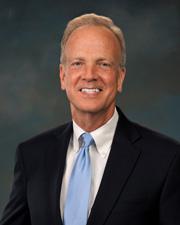
Eric Litwiller, director of development and partnerships for Urban League of Kansas, joined WBJ editor Kirk Seminoff for the BizTalk with the Wichita Business Journal podcast Sept. 9, 2026.
Is there by definition, I guess, is there a definition of who Urban League of Kansas serves?
So I think in its original founding, there would have been coming out of the civil rights movement.
I think probably if you walked around the streets of Wichita, if you found 100 people who've heard of Urban League, my hunch is a lot of them would say something to the effect of, oh, you're an organization that helps black people.
Today, at least if you ask our leadership within the organization, I think most of us would say these are the programs we provide and we provide them without regard for people's skin color.
But certainly the perception, you know, in the 50s and 60s would have been we're here to help minority populations get back on equal footing with Caucasian populations.
And as we were talking beforehand, a lot of that emphasis is in the 67214 area zip code, which is which is the lowest income area.
It's by far the lowest income, and I have all kinds of interesting stats I had to educate myself about when I joined the organization.
To me, I don't think there is any excuse for the massive financial disparities that I have discovered between 67214 and just the Wichita Metro area on average.
But, you know, I would say we concentrate on that simply because if we are serving needs and those needs tend to be concentrated among a lower income population and we happen to be located in a low income zip code, then kind of de facto you are serving people in that immediate area, sure.
The rest of this transcript — segmented and speaker-labeled, so you land on the exact moment something was said
Search every transcript — by keyword, by phrase, or by meaning, across every show Radar indexes
Trends — what is surging across podcasts, measured against its own baseline
Alerts — when a name you follow appears in a newly indexed episode
No account is needed to search Radar.