Aug 2, 2026 · 57 min · 11 segments
The CTG machine sitting in every maternity ward? It was developed in the 1970s. Fifty years old and essentially unchanged — until Emerson Keenan and Fiona Brownfoot decided to build something better…
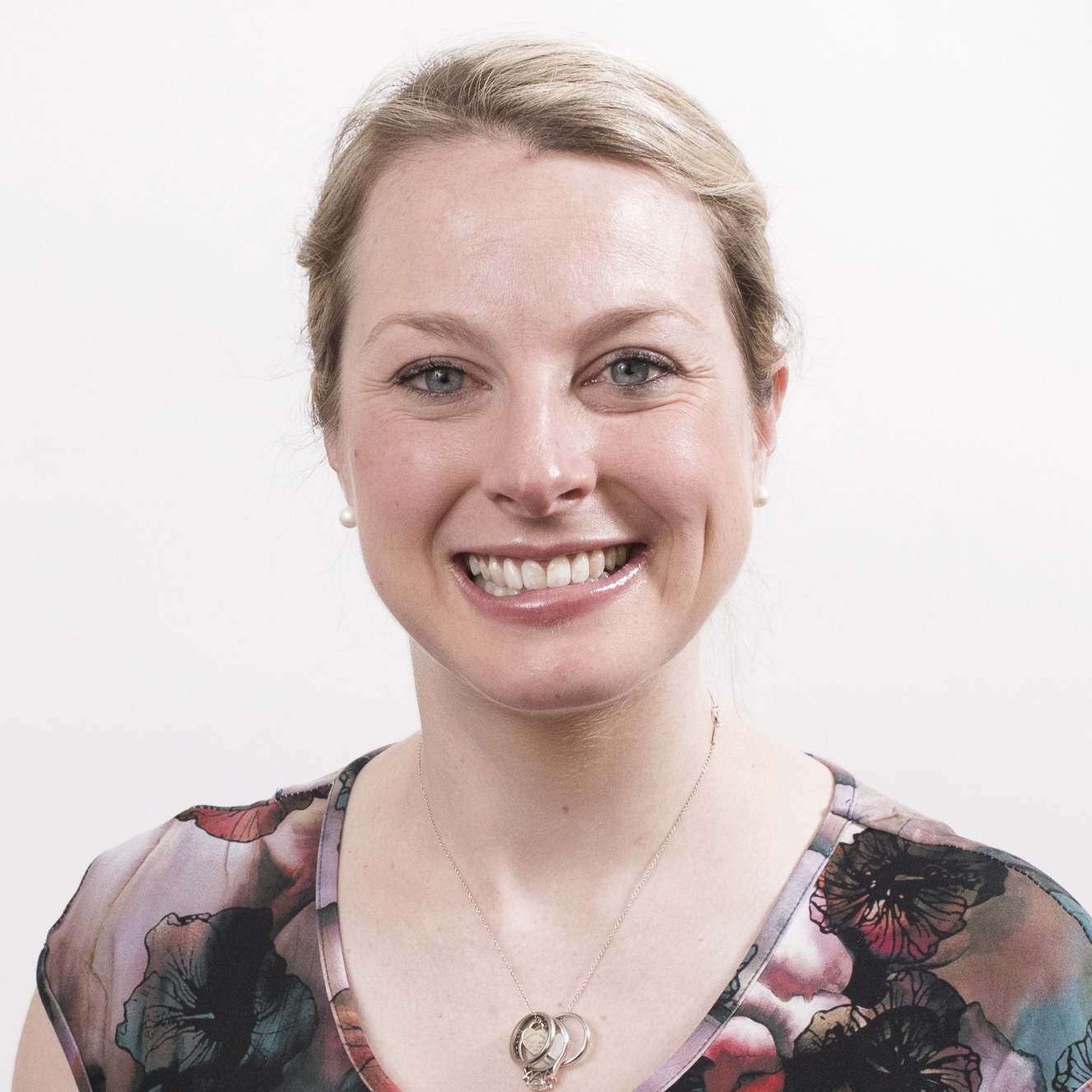
Fiona BrownfootGuest
Emerson KeenanGuest
Andrew NashHost
Clint McIntyreHost
But I want to come back from your side, Emerson, your background in electrical engineering.

So of course you need electrical engineering plus obstetrics to get us to the next idea and the next solution.

Talk to us a little bit about, you know, the next steps of, you know, how did you get from getting to know each other to talking about the idea and then getting to the, okay, let's take a shot at this.

Because, you know, that's the first part of the, you know, the baby steps of the journey.

And we'll talk about the other six years later, right? But maybe if we can just dig in on that part of the journey.

So he's building a device that has a sensor to pick up the electrical activity of the gut.

And I think it was on the back of that, then we're like, right, this is now what we need to do.

And you've got to kind of, I do think having the PhDs really helped with that kind of critical thinking to like pair something right the way back to say, right, initially we need to look at, how many senses we need to get the best, we'd like to get the highest accuracy to pick up that fetal heart rate, maternal heart rate, uterine activity.

And then, right, this is the clinical trial that we need to perform in order to achieve this task.

I think you need to have a mentor who's able to help kind of guide and also having those really critical thinking.

But having that technological as well as that clinical experience I think is pretty gold.

But I want to come back from your side, Emerson, your background in electrical engineering.

So of course you need electrical engineering plus obstetrics to get us to the next idea and the next solution.

Talk to us a little bit about, you know, the next steps of, you know, how did you get from getting to know each other to talking about the idea and then getting to the, okay, let's take a shot at this.

Because, you know, that's the first part of the, you know, the baby steps of the journey.

And we'll talk about the other six years later, right? But maybe if we can just dig in on that part of the journey.

So he's building a device that has a sensor to pick up the electrical activity of the gut.

And I think it was on the back of that, then we're like, right, this is now what we need to do.

And you've got to kind of, I do think having the PhDs really helped with that kind of critical thinking to like pair something right the way back to say, right, initially we need to look at, how many senses we need to get the best, we'd like to get the highest accuracy to pick up that fetal heart rate, maternal heart rate, uterine activity.

And then, right, this is the clinical trial that we need to perform in order to achieve this task.

I think you need to have a mentor who's able to help kind of guide and also having those really critical thinking.

But having that technological as well as that clinical experience I think is pretty gold.
The rest of this transcript — segmented and speaker-labeled, so you land on the exact moment something was said
Search every transcript — by keyword, by phrase, or by meaning, across every show Radar indexes
Trends — what is surging across podcasts, measured against its own baseline
Alerts — when a name you follow appears in a newly indexed episode
No account is needed to search Radar.