Sep 8, 2026 · 42 min · 14 segments
The founder of Change Catalysts explains how leaders can turn resistance, uncertainty, and disruption into successful AI adoption.. Host: Steve Sanduski, CFP. Hosted by Simplecast, an AdsWizz…
Barbara TrautleinGuestSteve SanduskiHost
And one of my first projects was working with the United Auto Workers to help them understand and be less afraid of robotic technology.

And of course, the fear at that time was that robots are going to replace humans.

But it was the same kind of fear that this is my identity as an operator, as an engineer, as a maintenance person.

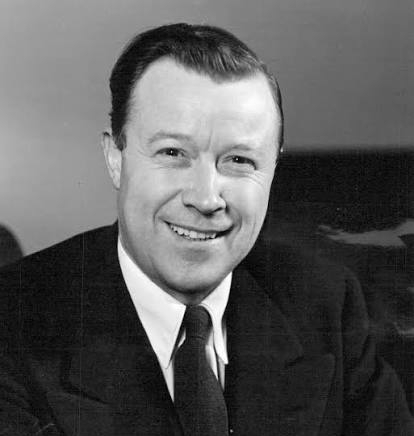
And as you know, Walter P. Reuther famously said, robots don't drive cars, right? So there's definitely a, I haven't been to a completely automated factory.

And so I think that there's a kind of a sign curve that their new technology is introduced.

It does create a lot of fear, a lot of chaos, a lot of confusion until we get to that point.
And oftentimes we hear that people are resistant to change and that may be a simplistic way of looking at it.
How do you view when change is not going well in an organization? How do you sort of diagnose that on the front end?

And what we know from neuroscience is that when neuroscientists place electrodes on people's brains and introduce them to a change, the same neuroreceptors fire when people get introduced to changes when they feel physical pain.

So what's the implication of that? The implication of that is that really resistance, it's normal and natural.

It's literally how our brains are wired and why we survive as individuals and thrive as a species.

So often, what is the number one topic in the change literature? It's overcoming resistance to change.
The rest of this transcript — segmented and speaker-labeled, so you land on the exact moment something was said
Search every transcript — by keyword, by phrase, or by meaning, across every show Radar indexes
Trends — what is surging across podcasts, measured against its own baseline
Alerts — when a name you follow appears in a newly indexed episode
No account is needed to search Radar.