Aug 5, 2026 · 43 min · 11 segments
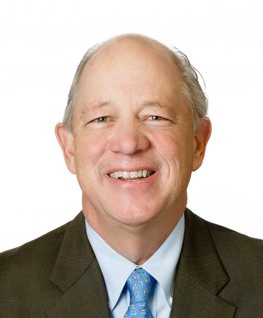
Tony Spring, chairman and CEO of Macy’s, discusses his career path that began at Bloomingdale’s and led to more than 40 years in retail leadership. Tony reflects on the lessons he learned from Burger…
Billy ShoreHost
Well, Macy's story, we're going to talk a little bit about the No Kid Hungry campaign in a few minutes and your support of it.

And I'm interested in you know, how you've done that in your view of, you know, for a lot of people who just read about the industry, you get the sense that department stores are almost like teetering that they could go one way or the other.

And you've created this very powerful story and narrative about The department store is back.

I'm sure it's been a long story in terms of how you've turned it around, but the results have been phenomenal.
And then I came over to the corporate parent, Macy's Inc, and I run Macy's and I'm responsible for Bloomingdale's and Blue Mercury as well.
When I took over the Macy's Inc role, we stepped back for a second and said, let's talk to the customer and let's understand what they like and what they don't like.
We talked to over 60,000 consumers And what was interesting to me was there was great fondness and love for Macy's, the brand, for many of the categories we were in.
There was great dissatisfaction with the execution, with the quality of what we were doing, with the regard we had for the customer when they were shopping in our stores or on our website, the time it took to get merchandise delivered, the cleanliness of the environment.
And so we developed a bold new chapter, which was our playbook for why don't we make the stores better? Why don't we add more people to the stores? Why don't we make the merchandise assortment more compelling? Why don't we tell stories and really encourage people to kind of buy multiple categories? Why don't we make the website experience both transactional, but also inspirational and informational? Why don't we lean on the growth opportunities at Bloomingdale's and Blue Mercury? Because they're two smaller brands, but with so much potential for growth.
And I obviously knew that coming from Bloomingdale's and having responsibility previously for Blue Mercury.
The rest of this transcript — segmented and speaker-labeled, so you land on the exact moment something was said
Search every transcript — by keyword, by phrase, or by meaning, across every show Radar indexes
Trends — what is surging across podcasts, measured against its own baseline
Alerts — when a name you follow appears in a newly indexed episode
No account is needed to search Radar.