Sep 17, 2026 · 1 hr 10 min · 14 segments
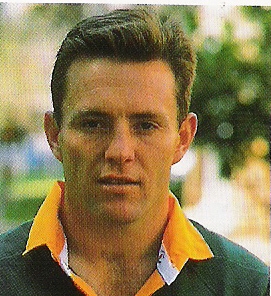
Former England international rugby champion and leadership expert Dr Leon Lloyd shares lessons from his journey in international sport.A must-watch for business leaders, entrepreneurs and anyone…
Leon LloydGuest
Luke NihillHost
So it's that again, it's that it's that work ethic that really made you stand out.

But what about the culture that you walked into there? So you walked into that environment.

What was the culture like? What what separated that from the England schoolboys environment where I guess everyone was still very capable, right?

Yeah, I think the culture then was different because the game was amateur and people were trying to figure out what did professionalism mean? Is it still the same but you get paid? Okay.

They didn't understand the difference in nutrition and sleep and rest and all those things.

Also, the dynamics had changed because I'd come into a very historic club who was successful.

And it was one of those clubs at the time where if you hadn't played 50 games, you weren't really allowed to speak.

yeah literally so as a young kid coming in you're sort of fearful of making a comment or contribution you sort of got to earn your stripes so it's very quiet and i was the youngest by quite a good few years and then as a game turn pro we got an overseas coach in a guy called bob dwyer who'd won a world cup of australia

he was big on introducing younger players so all of a sudden i wasn't the youngest in the side some of the younger players are coming through lewis moody's and jordan murphys are coming through And then the dynamic change from the older players left to the younger players coming through is all of a sudden that, oh, actually these guys can have an opinion, can have a comment.

They've shown that they work hard in training and they put it out on the pitch as well.

So the dynamic change, it became a more inclusive environment where not run on fear.

You weren't scared to say anything, which I think it may have been before that happened with Preston changed that.

I think that was a real game changer for us because Martin Johnson was made club captain.

So it's that again, it's that it's that work ethic that really made you stand out.

But what about the culture that you walked into there? So you walked into that environment.

What was the culture like? What what separated that from the England schoolboys environment where I guess everyone was still very capable, right?

Yeah, I think the culture then was different because the game was amateur and people were trying to figure out what did professionalism mean? Is it still the same but you get paid? Okay.

They didn't understand the difference in nutrition and sleep and rest and all those things.

Also, the dynamics had changed because I'd come into a very historic club who was successful.

And it was one of those clubs at the time where if you hadn't played 50 games, you weren't really allowed to speak.

yeah literally so as a young kid coming in you're sort of fearful of making a comment or contribution you sort of got to earn your stripes so it's very quiet and i was the youngest by quite a good few years and then as a game turn pro we got an overseas coach in a guy called bob dwyer who'd won a world cup of australia

he was big on introducing younger players so all of a sudden i wasn't the youngest in the side some of the younger players are coming through lewis moody's and jordan murphys are coming through And then the dynamic change from the older players left to the younger players coming through is all of a sudden that, oh, actually these guys can have an opinion, can have a comment.

They've shown that they work hard in training and they put it out on the pitch as well.

So the dynamic change, it became a more inclusive environment where not run on fear.

You weren't scared to say anything, which I think it may have been before that happened with Preston changed that.

I think that was a real game changer for us because Martin Johnson was made club captain.
The rest of this transcript — segmented and speaker-labeled, so you land on the exact moment something was said
Search every transcript — by keyword, by phrase, or by meaning, across every show Radar indexes
Trends — what is surging across podcasts, measured against its own baseline
Alerts — when a name you follow appears in a newly indexed episode
No account is needed to search Radar.