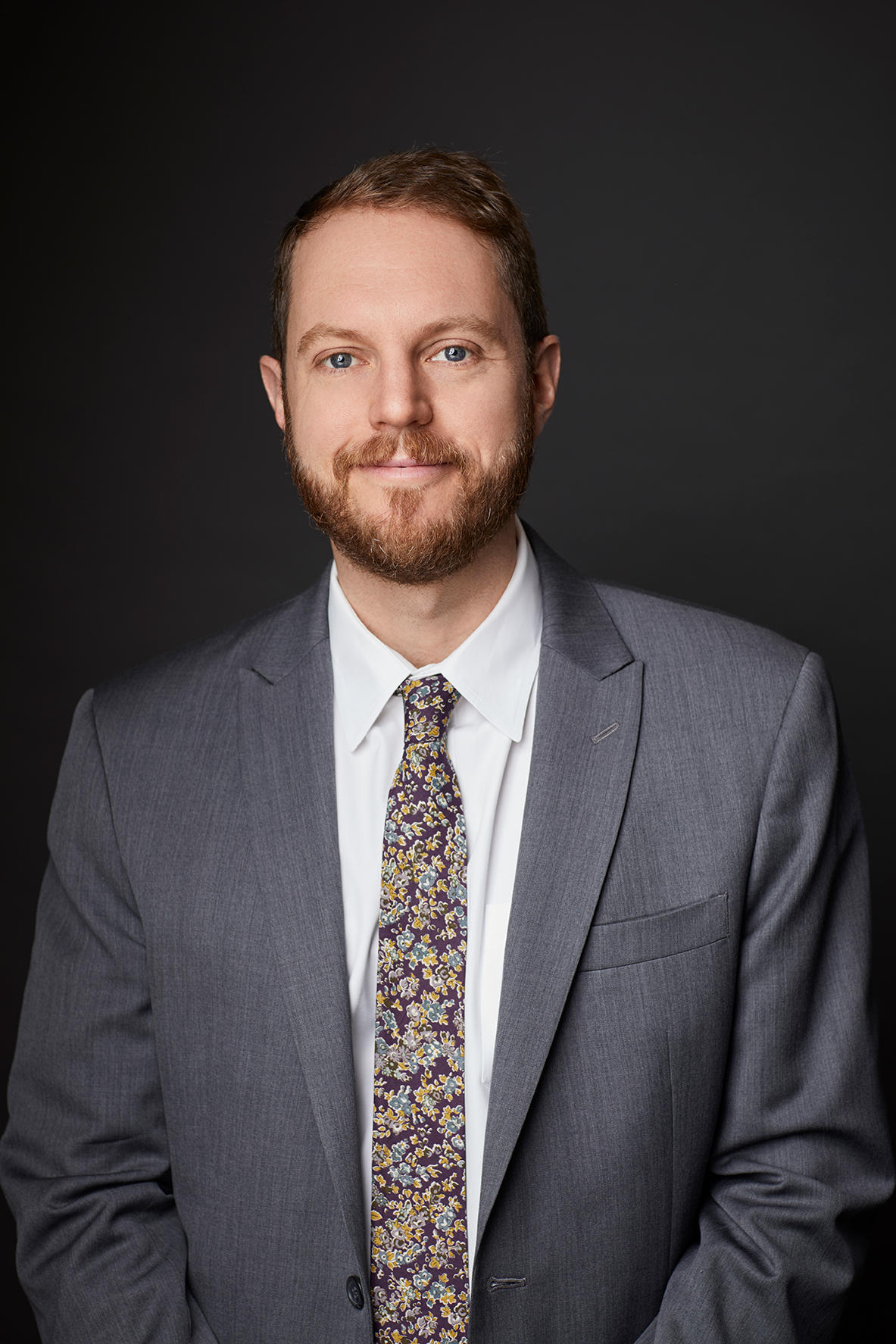
Will Creeley
13
APPEARANCES
12
PODCASTS
Sep 22, 2026


Will CreeleyGUEST
I'm always of the mind that we learn, to quote Judge Learned Hand, "through a multitude of tongues." That's good.
Will CreeleyGUEST
But that's different than what's happening here, where the president is saying, "I'm only gonna give you, uh, access that everybody else has if you say things I like." That's the fundamental dis- disjunction there.
Will CreeleyGUEST
And to your good point, Cherry, and it's just as Amy was saying, the president has all kinds of means for getting his message out.
Will CreeleyGUEST
And it's not bully like, "Bully, I'll beat you up," but bully like good, you know? And that's because he's got the loudest microphone of anybody in the country.

Cherry GreggHOST
I'd love to get your thoughts on just that part of it, having people who are not critically trained to ask tough questions and know all the facts and to fact-check and challenge the administration and, and the difference between those people and the, and the, and the independent cameras being there versus propagandists and others who are more sympathetic.

Will CreeleyGUEST
Courts have been consistent that not only do teenagers and children have their own First Amendment rights, but attempts to require adult users to prove who they are before accessing protected speech run headlong into the First Amendment's protection of anonymous speech.
Will CreeleyGUEST
We have a long and storied tradition of protecting anonymous speech in this country, all the way back to the Federalist Papers.
Will CreeleyGUEST
The government cannot require you to show your papers before accessing protected content.
Will CreeleyGUEST
That's, uh, of recently, a Supreme Court case called Free Speech Coalition v. Paxton said the, uh, state law in Texas that required adults to prove their identity before accessing content that would be obscene for minors, uh, think, uh, pornography and other adult content, that was constitutionally permissible.
7:19
... you know, people across many different factions of society pretty, pretty pleased with this.

Will CreeleyGUEST
Courts have been consistent that not only do teenagers and children have their own First Amendment rights, but attempts to require adult users to prove who they are before accessing protected speech run headlong into the First Amendment's protection of anonymous speech.
Will CreeleyGUEST
We have a long and storied tradition of protecting anonymous speech in this country, all the way back to the Federalist Papers.
Will CreeleyGUEST
The government cannot require you to show your papers before accessing protected content.
Will CreeleyGUEST
That's, uh, of recently, a Supreme Court case called Free Speech Coalition v. Paxton said the, uh, state law in Texas that required adults to prove their identity before accessing content that would be obscene for minors, uh, think, uh, pornography and other adult content, that was constitutionally permissible.
7:21
... you know, people across many different factions of society pretty, pretty pleased with this.


Amy GoodmanHOST
Talk about why you approach the Stanford Daily, why this is such a significant decision.
Will CreeleyGUEST
Well, it's an honor to be here, Amy and Juan, and I'm so proud listening to George now expound upon the importance of folks like George and his predecessor Greta standing up for First Amendment rights.
Will CreeleyGUEST
When you see Rumeza Ozturk in prison orange from a detention center in Louisiana for co-authoring an op-ed, you know something has gone terribly wrong.
Will CreeleyGUEST
These actions that they're taking, these wanton violations of the First Amendment, are designed to get folks like George and his colleagues at the Stanford Daily to feel scared, to think twice, to ask that their names not appear on news reporting or opinion pieces.

Juan GonzálezHOST
Response and also the issue that you had to talk a little bit about the due process question you raised.

Amy GoodmanHOST
Talk about why you approach the Stanford Daily, why this is such a significant decision.
Will CreeleyGUEST
Well, it's an honor to be here, Amy and Juan, and I'm so proud listening to George now expound upon the importance of folks like George and his predecessor Greta standing up for First Amendment rights.
Will CreeleyGUEST
When you see Rumeza Ozturk in prison orange from a detention center in Louisiana for co-authoring an op-ed, you know something has gone terribly wrong.
Will CreeleyGUEST
These actions that they're taking, these wanton violations of the First Amendment, are designed to get folks like George and his colleagues at the Stanford Daily to feel scared, to think twice, to ask that their names not appear on news reporting or opinion pieces.
Juan GonzálezHOST
Response and also the issue that you had to talk a little bit about the due process question you raised.

Amy GoodmanHOST
Talk about why you approach the Stanford Daily, why this is such a significant decision.
Will CreeleyGUEST
Well, it's an honor to be here, Amy and Juan, and I'm so proud listening to George now expound upon the importance of folks like George and his predecessor Greta standing up for First Amendment rights.
Will CreeleyGUEST
When you see Rumeza Ozturk in prison orange from a detention center in Louisiana for co-authoring an op-ed, you know something has gone terribly wrong.
Will CreeleyGUEST
These actions that they're taking, these wanton violations of the First Amendment, are designed to get folks like George and his colleagues at the Stanford Daily to feel scared, to think twice, to ask that their names not appear on news reporting or opinion pieces.
Juan GonzalezHOST
Response and also the issue that you had to talk a little bit about the due process question you raised.

Amy GoodmanHOST
Uh, talk about why you approached The Stanford Daily, Daily, why this is such a significant decision
Will CreeleyGUEST
And I'm so proud listening to George now, uh, expound upon the importance of folks like George and his, uh, predecessor Greta standing up, uh, for First Amendment rights.
Will CreeleyGUEST
When you see Rümeysa Öztürk in prison orange from a detention center in Louisiana for co-authoring an op-ed, you know something has gone terribly wrong.
Will CreeleyGUEST
These actions that they're taking, these wanton violations of the First Amendment are designed to get folks like George and his colleagues at The Stanford Daily to feel scared, to think twice, to ask if their names not appear on news reporting or opinion pieces.

Jennifer PerkinsMODERATOR
How do you think that ideal fared in the 20th century?

William CreeleyGUEST
Boy, hearing Professor Samuelson just now, I'm reminded, as I sit in Old City, Philadelphia, just a few blocks from the Museum of the American Revolution.
William CreeleyGUEST
I took my two great school-age children there not too long ago, and there's a vivid scene, a display, an exhibit about Adams and the trial.
13 MINS LATER
Richard SamuelsonGUEST
Once you make it common to essentially to make it to kick people out of polite discourse on a regular basis or from regular business practices or regular lobbying, etc.,


Liz LandersCORRESPONDENT
What does the law say about what protections journalists have in this case?
Will CreeleyGUEST
Well, the law has been clear for a long time that somebody else's illegal conduct does not remove speech about a matter of public concern, like the president's new jet, from First Amendment protection.
Will CreeleyGUEST
There's no federal shield law, but the heart of the First Amendment does indeed protect this kind of activity.
Will CreeleyGUEST
Subpoenaing reporters is a shot across the bow designed to get people to stop asking questions about subjects the administration would rather not talk about, and it's chilling.
Liz LandersCORRESPONDENT
How does this administration compare to previous administrations? I mean, other presidents and other administrations have asked reporters to reveal their sources, but how does this moment compare to those?
Will CreeleyGUEST
Other presidents have done it, but this is not something we should get used to.

Liz LandersCORRESPONDENT
What does the law say about what protections journalists have in this case?
Will CreeleyGUEST
Well, the law has been clear for a long time that somebody else's illegal conduct does not remove speech about a matter of public concern, like the president's new jet from First Amendment protection.
Will CreeleyGUEST
There's no federal shield law, but the heart of the First Amendment does indeed protect this kind of activity.
Will CreeleyGUEST
Subpoenaing reporters is a shot across the bow designed to get people to stop asking questions about subjects the administration would rather not talk about.
Liz LandersCORRESPONDENT
How does this administration compare to previous administrations? I mean, other presidents and other administrations have asked reporters to reveal their sources, but how does this moment compare to those?

Liz LandersCORRESPONDENT
What does the law say about what protections journalists have in this case?
Will CreeleyGUEST
Well, the law has been clear for a long time that somebody else's illegal conduct does not remove speech about a matter of public concern, like the president's new jet, from First Amendment protection.
Will CreeleyGUEST
There's no federal shield law, but the heart of the First Amendment does indeed protect this kind of activity.
Will CreeleyGUEST
Subpoening reporters is a shot across the bow designed to get people to stop asking questions about subjects the administration would rather not talk about, and it's chilling.
Liz LandersCORRESPONDENT
How does this administration compare to previous administrations? I mean, other presidents and other administrations have asked reporters to reveal their sources, but how does this moment compare to those?
Will CreeleyGUEST
Other presidents have done it, but this is not something we should get used to.


Emily JashinskyHOST
Could you give us, uh, your legal perspective, having followed a lot of these, uh, cases, and particularly the FCC and Trump 2.0? What's going on here?
Will CreeleyGUEST
First of all, I think it's of a piece with what we've seen from the FCC over the past year, a very aggressive, very expansive, uh, understanding of their legal authority to, frankly, bully, uh, broadcasters, uh, into, uh, taking political lines that the FCC would like them to take.
Will CreeleyGUEST
I think that, uh, there's an equal time, uh, rule that requires, uh, broadcasters generally, uh, to provide equal time on what are called bona fide news, uh, broadcast news programs to candidates running for the same office.
Will CreeleyGUEST
Uh, for a long time, the FCC has understood this to mean really news broadcasts, not things like, um, Saturday Night Live or, uh, other kind of comedy talk shows.
Will CreeleyGUEST
But recently, over the past year and a half, we've seen a push to expand the equal time rule to things like Saturday Night Live.
Will CreeleyGUEST
Uh, we had Kamala Harris, when she was running, appear on Saturday Night Live, and, uh, NBC then offered, uh, Donald Trump time on a NASCAR, uh, broadcast.
8 MINS LATER

Krystal BallHOST
Can you put this in context in terms of what is happening here, how extensive it is, and what sort of a threat to free speech this ultimately represents?

Will CreeleyGUEST
The whole purpose of the First Amendment is to allow us to disagree on basic conceptions of what is good and what is true.
Will CreeleyGUEST
We need it for moments like this where we have deep divisions and we wanna talk about them.
Will CreeleyGUEST
I mean, it's not lost on me that Kirk spent his last day talking to folks who disagree with him.
Will CreeleyGUEST
You know, per the reporting from The New York Times, the last question there was, uh, challenging his views on immigration and trans rights.