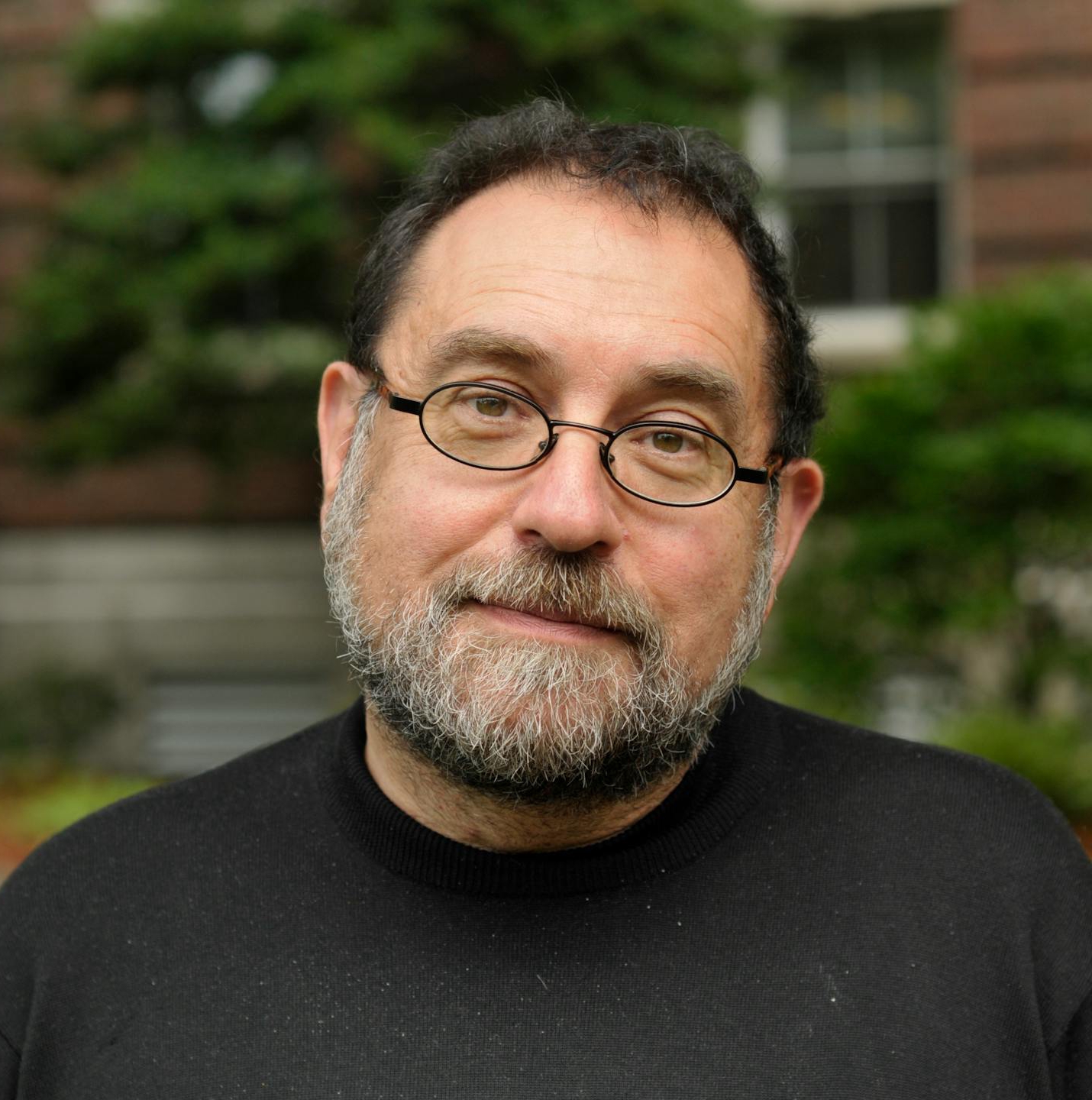
Steven Zipperstein
Daniel E. Koshland Professor in Jewish Culture and History at Stanford University; historian of Russian and East European Jewry and author of Pogrom: Kishinev and the Tilt of History.
4
APPEARANCES
4
PODCASTS
Sep 6, 2026


Kenneth B. MossGUEST
But also watching around them the emergence of all kinds of social tensions and pathologies, tensions and pathologies that are actually political but in the larger society, and not knowing how to develop a calculus of whether this state can hold out against it, to what degree it's going to try, and it turns out not to try very hard, and under what circumstances all of these visible dangers actually will coalesce into something fundamentally very threatening.

Steven ZippersteinGUEST
You know, one reason, it seems to me why the book took as long as it did, and I'm not suggesting it took longer than it should have, is that my sense is that you really came to know these figures.
Steven ZippersteinGUEST
And it's not as if your presence in the book deflects or weakens it as an historical study.
Steven ZippersteinGUEST
And one aspect that struck me, and I'd be curious to hear whether you were struck by this as well, is that a good many of the protagonists you speak about, Weinreich, Lev Shinsky, others, are people I thought I knew.
20 MINS LATER
Kenneth B. MossGUEST
Not because we should be lachrymose, but because that's an essential dimension of our modern experience.

Kenneth B. MossGUEST
But also watching around them the emergence of all kinds of social tensions and pathologies, tensions and pathologies that are actually political but in the larger society, and not knowing how to develop a calculus of whether this state can hold out against it, to what degree it's going to try, and it turns out not to try very hard, and under what circumstances all of these visible dangers actually will coalesce into something fundamentally very threatening.
Steven ZippersteinGUEST
You know, one reason, it seems to me why the book took as long as it did, and I'm not suggesting it took longer than it should have, is that my sense is that you really came to know these figures.
Steven ZippersteinGUEST
And it's not as if your presence in the book deflects or weakens it as an historical study.
Steven ZippersteinGUEST
And one aspect that struck me, and I'd be curious to hear whether you were struck by this as well, is that a good many of the protagonists you speak about, Weinreich, Lev Shinsky, others, are people I thought I knew.
20 MINS LATER
Kenneth B. MossGUEST
Not because we should be lachrymose, but because that's an essential dimension of our modern experience.