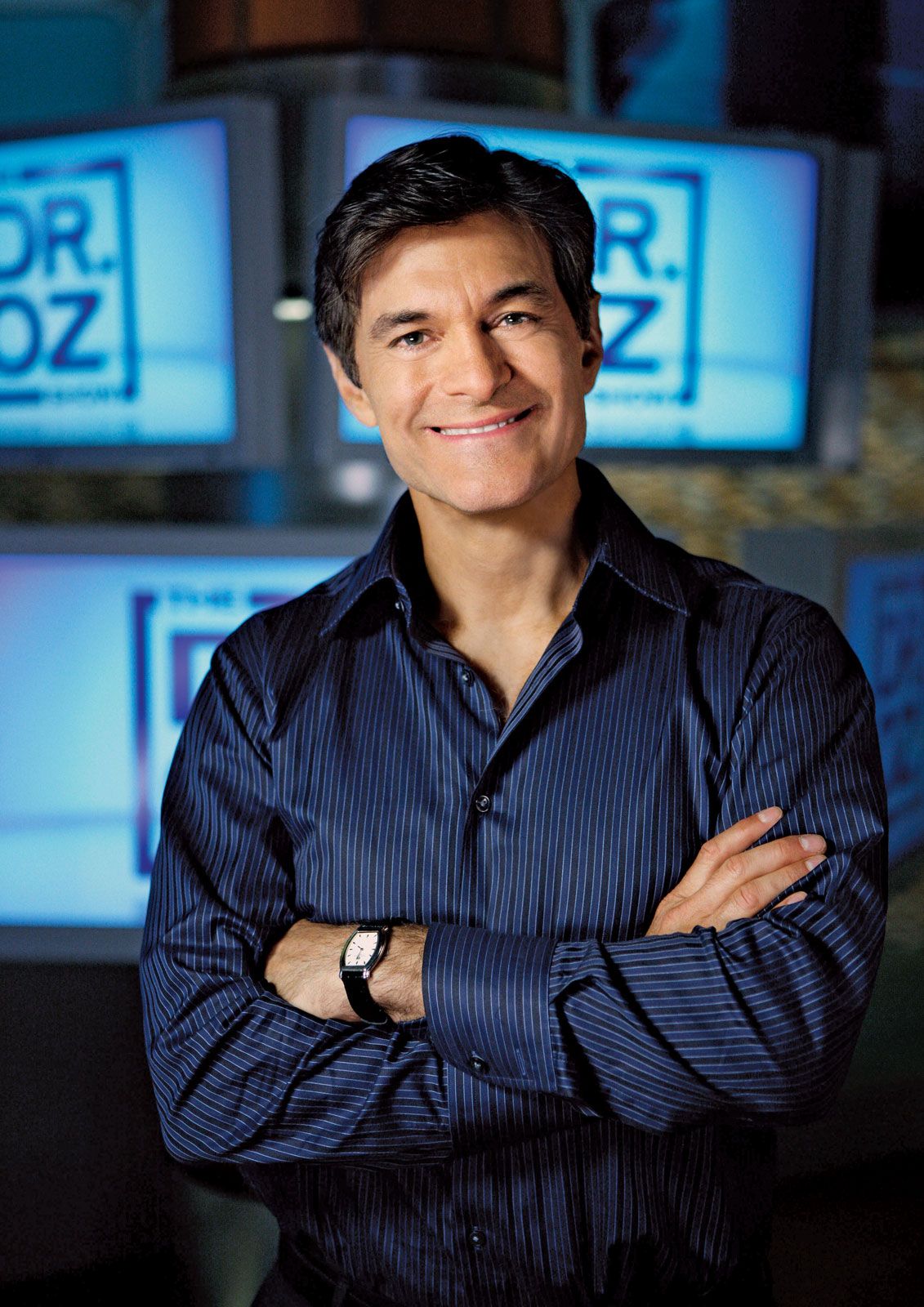
Mehmet Oz
Administrator of the US Centers for Medicare and Medicaid Services
201
APPEARANCES
88
PODCASTS
Nov 22, 2026


Larry KingHOST
Dr. Barry Bloom, an expert in infectious disease at Harvard, says the idea of vaccine will end the pandemic isn't realistic.
Larry KingHOST
Would you say the leadership, including President Trump, has not been on top of this?

Mehmet OzGUEST
I think a lot of times when we get one-stop solutions for everything and we decide, OK, the entire country is shutting down, you create this sense that we paid our price.
Mehmet OzGUEST
And I think of all the things I could focus on, the fact that we didn't have adequate testing back in March, major mistake that many can own.
Mehmet OzGUEST
The fact that we shut the entire country down at once, I think we'll look back on and say that was an error because there are some parts of the country that had not been hard hit.
Mehmet OzGUEST
And maybe quarantining, for example, this part of the country selectively would have been wiser.
Mehmet OzGUEST
It turns out that as far as we can tell, the infections, especially that are being suffered in Texas and Florida, came primarily from New York.
10 MINS LATER
Larry KingHOST
What are your colleagues in the medical fraternity saying? Are you now a controversial figure?
Mehmet OzGUEST
You can never tell when you say things boldly, because clinicians are guarded, we should be.
Mehmet OzGUEST
I think a lot of doctors have told me that they would take the pill themselves if they got ill. I've had several on my show, including the past governor of Kansas, Dr. Collier, who's back practicing medicine, and he would take it himself, and he's giving it to his patients.
Mehmet OzGUEST
ER doctors who've actually gotten it themselves have taken the pill and told me about it.
9 MINS LATER
Larry KingHOST
Will it take a dip in the summer months, do you think, and then return in the fall? I believe that's what's gonna

Dr. OzGUEST
And if you're proud to be an American and you realize that problem is happening, you want to fix it.
Dr. OzGUEST
So Congress, last year in the Working Families Tax Cut Legislation, And with President's signature, decided to put $50 billion into rural health care over the course of five years.
Brett WinterbleHOST
Can you talk a little bit about the frontline folks that are on those lines, the nurses, the pediatricians, people like that, how that will manifest?


Dom GiordanoHOST
Your summary the other day, Medicare for all is really Medicaid for all, is exactly the summary of the whole deal.
Mehmet OzGUEST
Well, perfectly stated for a lot of people to understand clearly, but sometimes it doesn't get clear.
Mehmet OzGUEST
When you try to take the U.S. health care system and you socialize it, which is what's happened to health care systems in other parts of the world, you create a two-tier system.
Mehmet OzGUEST
Whatever is left over is split by the rest of the population, which means most people can hear my voice right now aren't going to have the kinds of options they would have today.
Dom GiordanoHOST
Given your platforms over the years, your power here in the role that you're in, this attack on health care is the single most significant thing the left can do to me.
Dom GiordanoHOST
Given your platforms over the years, your power here in the role that you're in, this attack on health care is the single most significant thing the left can do to me.
Mehmet OzGUEST
Well, unlike the price of eggs or diesel or anything else, not being able to have health care for your family for most Americans will mean they own a piece of the rock.
Mehmet OzGUEST
And that's why I've been quoting H.L. Mencken, which I don't do too often, but he said it's very interesting.

speaker_0ADVERTISER
You gift the good stuff.
Mehmet OzGUEST
Not to go with the story, and we had spent a long time getting our numbers right, doing our own studies, trying to just make sure what we'd heard.
Mehmet OzGUEST
It had been published elsewhere in smaller magazines or newspaper articles, but we actually elevated it and went to the government and said, just share with us your data and we want to see what's going down.
Mehmet OzGUEST
But just to give you two seconds on apple juice, the reason it was important is because America outlawed the use of arsenic in our pesticides in our apple trees because we were worried about arsenic in the soil but also in the apples.
11 MINS LATER


Mehmet OzGUEST
What basically happens, I'm going to translate it super simply, is if you're rich, you buy the care you want.
Mehmet OzGUEST
And if you don't have all the money in the world, you take what's left over, which in America will not work.
Mehmet OzGUEST
Americans listening right now to this show, Americans who are thinking about what decisions they're making in life are not going to be tolerant of being told that you don't get to have the same care everybody else has because then you don't feel like you own a piece of the rock.
Mehmet OzGUEST
And if you're worried about affordability because of eggs or gas, when you don't have affordability of insurance, it's a catastrophe.
Mehmet OzGUEST
So we have built a system in America built on market forces, which we have lots more we can do and we are doing to make it better.


Rita CosbyHOST
What does this mean to the average American, what we're paying as a result of this fraud?
Mehmet OzGUEST
Well, the reality is we have $100 billion of fraud, waste, and abuse in healthcare in America.
Mehmet OzGUEST
That doubles the life expectancy of the Medicare trust fund so it'll last longer and be there for you when your time of retirement comes.
30:28

I mean, you know, I don't mind a little bit of stealing maybe, but that's five times.

Rita CosbyHOST
What does this mean to the average American, what we're paying as a result of this fraud?
Mehmet OzGUEST
the reality is we have a hundred billion dollars of fraud waste and abuse in health care in america and i gotta say half of that we've already stopped paying out so these are not make up numbers but a hundred billion dollars that dramatically changes affordability that doubles the life expectancy of the medicare trust fund so it'll last longer and be there for you when your time of retirement comes or if you retire it'll last your whole life And so we've got an opportunity to change the narrative.
Mehmet OzGUEST
But this is just like what happened during the immigration crisis when no one was watching the border.
Mehmet OzGUEST
And we are sending the same message down with the president arguing that we have to have an all of government effort The anti-fraud task force led by Vice President Vance has been incredibly effective, helping, for example, me talk more with Department of Justice or with Treasury to get the IRS involved in investigating these bad apples.
Mehmet OzGUEST
Remember, if you're stealing from the poor, you're probably not paying your taxes.
Mehmet OzGUEST
So I can send your number, your ID number, over to the IRS, and I can tell them, this guy charges $5 million, and we send it to him.
30:34

I mean, you know, I don't mind a little bit of stealing maybe, but that's five times.


Ben FergusonHOST
I worry how many years this fraud has been at these levels and how much of our money has disappeared to people that said, we're going to abuse the system because no one's really watching.
Mehmet OzGUEST
And I have pretty good evidence, things like skin substitutes, which you've never heard of and you should never know about because most of the time they're not done legitimately.
Ben FergusonHOST
This has been a godsend for so many Americans on life-saving prescriptions that people need, and you guys keep adding things to that list.
Ben FergusonHOST
I worry how many years this fraud has been at these levels and how much of our money has disappeared to people that said, we're going to abuse the system because no one's really watching.
Mehmet OzGUEST
And I have pretty good evidence, things like skin substitutes, which you've never heard of and you should never know about because most of the time they're not done legitimately.
Ben FergusonHOST
This has been a godsend for so many Americans on life-saving prescriptions that people need, and you guys keep adding things to that list.

Mehmet OzGUEST
When 60 years ago, everyone thought it was a necessary investment in the well-being of our nation, everyone recognized you would never steal from the poor.
Mehmet OzGUEST
But what happened during COVID is we taught grifters, criminals, multinational organizations that understand a lot about stealing, that they could come into healthcare, back their pickup truck to the U.S. Treasury, and download all the money they wanted, and no one would do anything about it.
Mehmet OzGUEST
And initially, again, because of COVID, it started off innocently saying, hey, let's take the guardrails down and make it a little easier to get benefits.
Mehmet OzGUEST
And in the prior administration, there was an overt effort to tell folks in my agency, don't worry about fraud.

Larry ElderHOST
And isn't that the case with California? Isn't it much worse than probably any other state?

Mehmet OzGUEST
When 65 years ago, everyone thought it was a necessary investment in the well-being of our nation, everyone recognized you would never steal from the poor.
Mehmet OzGUEST
But what happened during COVID is we taught grifters, criminals, multinational organizations that understand a lot about stealing, that they could come into healthcare, back their pickup truck to the U.S. Treasury and download all the money they wanted and no one would do anything about it.
Mehmet OzGUEST
And initially, again, because of COVID, it started off innocently saying, hey, let's take the guardrails down and make it a little easier to get benefits.
Mehmet OzGUEST
And in the prior administration, there was an overt effort to tell folks in my agency, don't worry about fraud.
Larry ElderHOST
And isn't that the case with California? Isn't it much worse than probably any other state?
Rita CosbyHOST
What does this mean to the average American, what we're paying as a result of this fraud?
Mehmet OzGUEST
Well, the reality is we have $100 billion of fraud, waste, and abuse in healthcare in America.
Mehmet OzGUEST
That doubles the life expectancy of the Medicare trust fund so it'll last longer and be there for you when your time of retirement comes.
50:04
I mean, you know, I don't mind a little bit of stealing maybe, but that's five times more.
Rita CosbyHOST
What does this mean to the average American, what we're paying as a result of this fraud?
Mehmet OzGUEST
Well, the reality is we have $100 billion of fraud, waste, and abuse in health care in America.
Mehmet OzGUEST
That doubles the life expectancy of the Medicare trust fund so it'll last longer and be there for you when your time of retirement comes.
6:40
I mean, you know, I don't mind a little bit of stealing maybe, but that's five times.


Steve GruberHOST
And people who need health care or food or actually need a hospice are getting shorted on the whole deal, aren't they?
Mehmet OzGUEST
Instead, what happened was we taught criminal entities and grifters, come on down to healthcare.


Scott JenningsHOST
Can you update our audience on the fight against fraud? How much are we saving people that are going to jail? Because I think this is one of the greatest accomplishments that you all have had there in the Trump administration and over at the Health and Human Services Department.
Mehmet OzGUEST
Well, Scott, as your birthday present today, and happy birthday, I thought I would tell everybody that we have stopped about $42 billion from leaving the building and going towards healthcare fraudsters.
Mehmet OzGUEST
And I mention that because the money staying here is the best way to avoid these problems.
Mehmet OzGUEST
Sending people to jail is a long, arduous task if that's the only way we're going to do it.
7 MINS LATER
Scott JenningsHOST
I know it's been a big part of what you've been talking to the president about lately.

Scott JenningsHOST
Can you update our audience on the fight against fraud? How much are we saving people that are going to jail? Because I think this is one of the greatest accomplishments that you all have had there in the Trump administration and over at the Health and Human Services Department.
Mehmet OzGUEST
Well, Scott, as your birthday present today, and happy birthday, I thought I would tell everybody that we have stopped about $42 billion from leaving the building and going towards healthcare fraudsters.
Mehmet OzGUEST
Sending people to jail is a long, arduous task if that's the only way we're going to do it.
7 MINS LATER
Scott JenningsHOST
I know it's been a big part of what you've been talking to the president about lately.
Dom GiordanoHOST
say every time you're on you talk about the kids carrying the groceries here in philadelphia up the steps i just sit back and take a breath i love it the way you go it's true terrible what the heck is going on yeah
Mehmet OzGUEST
But these adult daycares are a weaponized mechanism of getting basically your Medicare credit card and charging it against everything you want.
Mehmet OzGUEST
The mafia runs the show because law enforcement can't get involved because you can't prove anything.
Mehmet OzGUEST
I just mentioned unlicensed setting, unlicensed person, unmonitored environment.
Dom GiordanoHOST
Your sense as a media guy, too, isn't this a good media story? Their disinterest in it, or the American people realizing one of the biggest legacies of this term of the Trump administration is exposing and putting the kibosh on this fraud, but telling us there's probably five to ten times even more of it out there.
Dom GiordanoHOST
say every time you're on you talk about the kids carrying the groceries here in philadelphia up the steps i just sit back and take a breath i love it the way you go it's true terrible what the heck is going on yeah
Mehmet OzGUEST
So but these adult daycares are a weaponized mechanism of getting basically your Medicare credit card and charging it against everything you want.
Mehmet OzGUEST
The mafia runs the show because law enforcement can't get involved because you can't prove anything.
Dom GiordanoHOST
Your sense as a media guy, too, isn't this a good media story? Their disinterest in it, or the American people realizing one of the biggest legacies of this term of the Trump administration is exposing and putting the kibosh on this fraud but telling us there's probably five to ten times even more of it out there.


Mehmet OzGUEST
The most expensive care we give is bad care because you pay someone who's not capable to do a job.
8 MINS LATER
Mehmet OzGUEST
The most expensive care we give is bad care because you pay someone who's not capable to do a job.
8 MINS LATER
Mehmet OzGUEST
And big announcement, as you know, $32 million is going towards rural healthcare in Mississippi.
Mehmet OzGUEST
And just to give everyone a little bit of a pep talk about why this is so important, and we'll get to specific issues.
Mehmet OzGUEST
The average life expectancy in rural America is almost three years shorter than urban America.
5 MINS LATER
Scroll for more appearances