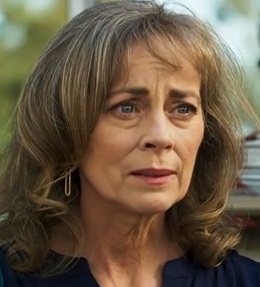
Jane Harris
Fictional character
3
APPEARANCES
3
PODCASTS
Aug 6, 2026


Jane HarrisGUEST
So it just, you know, the job that I went to college for, it just, there was no money because I was already making commission.
Jane HarrisGUEST
So I ended up staying with the company and made it to managing their flagship stores, a $2.5 million store.
16 MINS LATER
20:13
And as people ask to you, you know, what if you fail? What if it doesn't work? What are you going to do? You know, What was kind of your internal dialogue there? And what were some of the challenges that that you ran into that maybe made you say, like, I don't know if I could do this?


Dale PicklesHOST
And I think schools have to be the one to offer the olive branch, to put that opportunity out, to give that voice and to show they're listening, to build those partnerships again.
Jane HarrisGUEST
And I would say I don't think there's any school in the country that is getting this 100% right.
Jane HarrisGUEST
We're actually doing some work internally in our schools at the moment about how we listen to parents.
Jane HarrisGUEST
We have had some feedback that says that it's getting better, so that's really good.
Jane HarrisGUEST
But actually, somebody said to me, I thought it was so insightful, that actually, if you've got a child with speech and language challenges, they don't tell you what's happened during the school day.
Jane HarrisGUEST
And that was such an important insight for us that actually we need to communicate like probably 10 times more than any other school because that child probably isn't coming home as often and telling the parent what happened.
24 MINS LATER


Ed WatkinsGUEST
And so it's how can you help people see, well, here are things that are relatively easy to implement and have a good evidence base rather than something that's easy to implement but may or may not have an evidence base.
Jane HarrisGUEST
We're redeveloping our university student mental health and wellbeing strategy with this very much in mind, sort of articulating what we think is the spectrum of developmental trajectories and where the opportunities sit within, again, a very wide and diverse range of activities, both educational, academic, but also all the kind of extra academic activities, you know, clubs and societies or, you know, just like having friends.
Jane HarrisGUEST
And we're just looking at those as the bedrock for our mental health strategy so we can really articulate, you know, where they sit.
Jane HarrisGUEST
I should say we're being a bit cautious because we don't want this to become yet another kind of metric that people can measure themselves against and feel they're not achieving.
Jane HarrisGUEST
We all need an embodied experience of surviving difficulty in order to feel confident in our capacity to cope with difficulty.
Jane HarrisGUEST
There was recently a paper published on the paradox of digital mental health literacy.