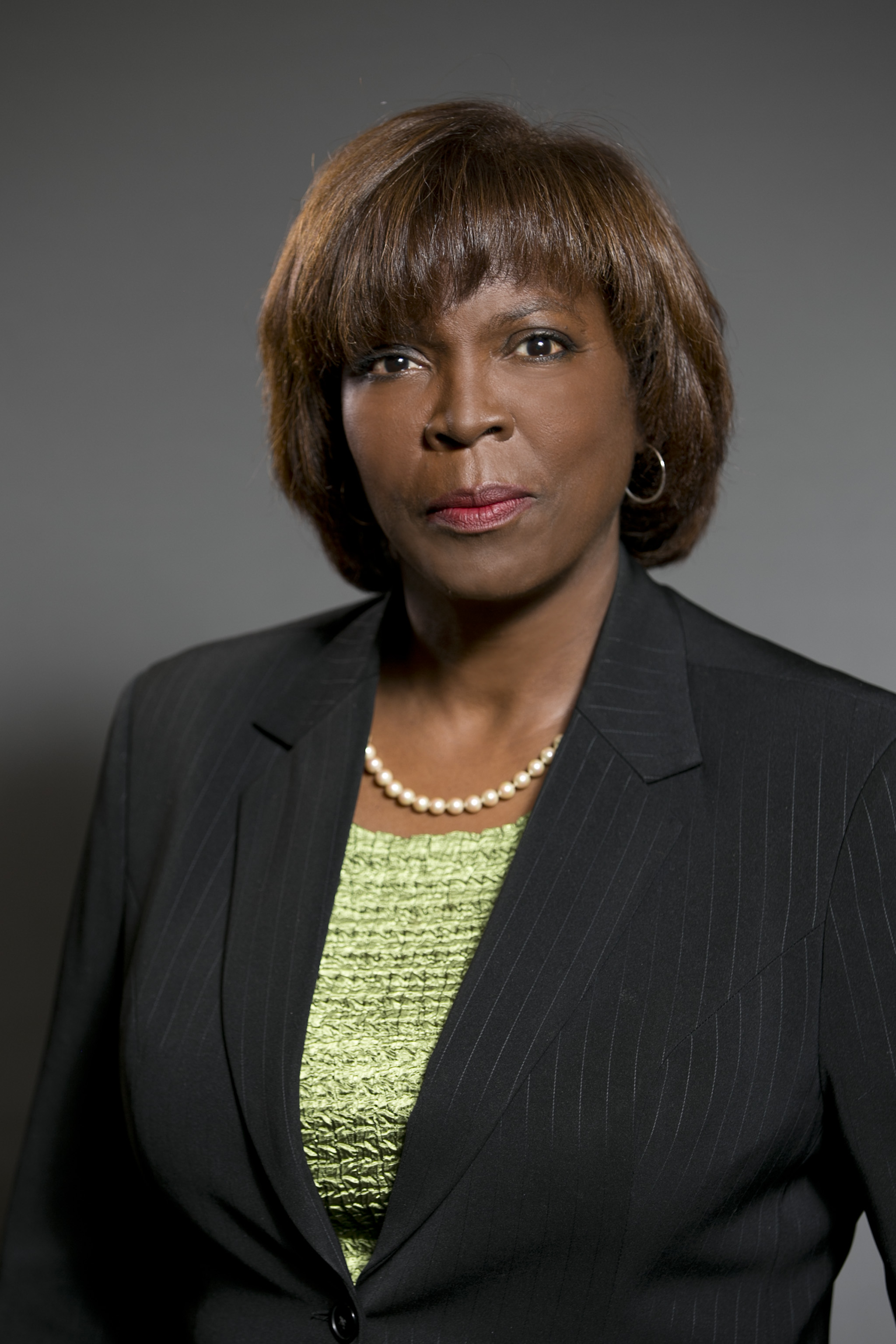
Ertharin Cousin
Ambassador and former executive director of the World Food Programme
3
APPEARANCES
2
PODCASTS
Oct 8, 2026


Ertharin CousinGUEST
And you see the same thing in urban, in urban centers where there's lack of access.
Ertharin CousinGUEST
The stores you're asking about, the municipally owned grocery stores, what they lack are the, the, the, the operational tools to support the resilience of a groc- that is required for a grocery stores.
Ertharin CousinGUEST
When, for a grocery store to operate successfully, you need to sell a lot of stuff.
Ertharin CousinGUEST
We've seen subsidies in grocery retailing before, and what happens when the, if the economics don't work before the store open, if you insert subsidies, but you don't insert the operational capacity that is necessary, when the subsidies in, the stores close.
12 MINS LATER
Ertharin CousinGUEST
And if we provide the access to affordable, nutritious food- before the onset of diet-related disease, we not only reduce the impact of food-related disease on GDP, on, on the cost of entitlement programs across the country, we build a healthier population that is much more prepared to support the, the, the, the going forward of our country.
Máximo ToreroGUEST
So those damages are impacting and will create long-term effects that we need to be super careful.
Ertharin CousinGUEST
I'm going to disagree with my friend Maximo that we're in a silent food crisis because the reality is we're in the families that can no longer afford a diverse and nutritious basket will argue with you and say we're already in a food crisis.
Ertharin CousinGUEST
And what's interesting is that we often talk about the most vulnerable population and we've already...
Ertharin CousinGUEST
Both FAO and WFP have acknowledged that the El Nino crisis would move another 50 million people potentially into acute hunger.
Ertharin CousinGUEST
And as you talked about earlier today, we've been together all day today, as prices tick up, and remain high, that is affecting not just a vulnerable population, which has the benefit of the safety nets, whether it's the international safety nets or the local safety nets here in the United States, for example, of SNAP benefits or access to food banks.
12 MINS LATER


Leslie VinjamuriHOST
What are people talking about? What does it feel like on the ground in Addis? With everybody there who understands so much about food security, where was the conversation?
Ertharin CousinGUEST
The conversation is filled with a sense of indignation that the global community is standing by and watching innocence perish.
Ertharin CousinGUEST
The concerns regarding the lack of U.S. leadership to stop what is not just a political challenge, but a moral and humanitarian challenge is the world stands aghast.
Ertharin CousinGUEST
The U.S. early in this administration pulled back from both the Paris Accord and the Sustainable Development Goals.
7 MINS LATER
Leslie VinjamuriHOST
Tell us what the current situation is and how, on the question of food and food delivery,