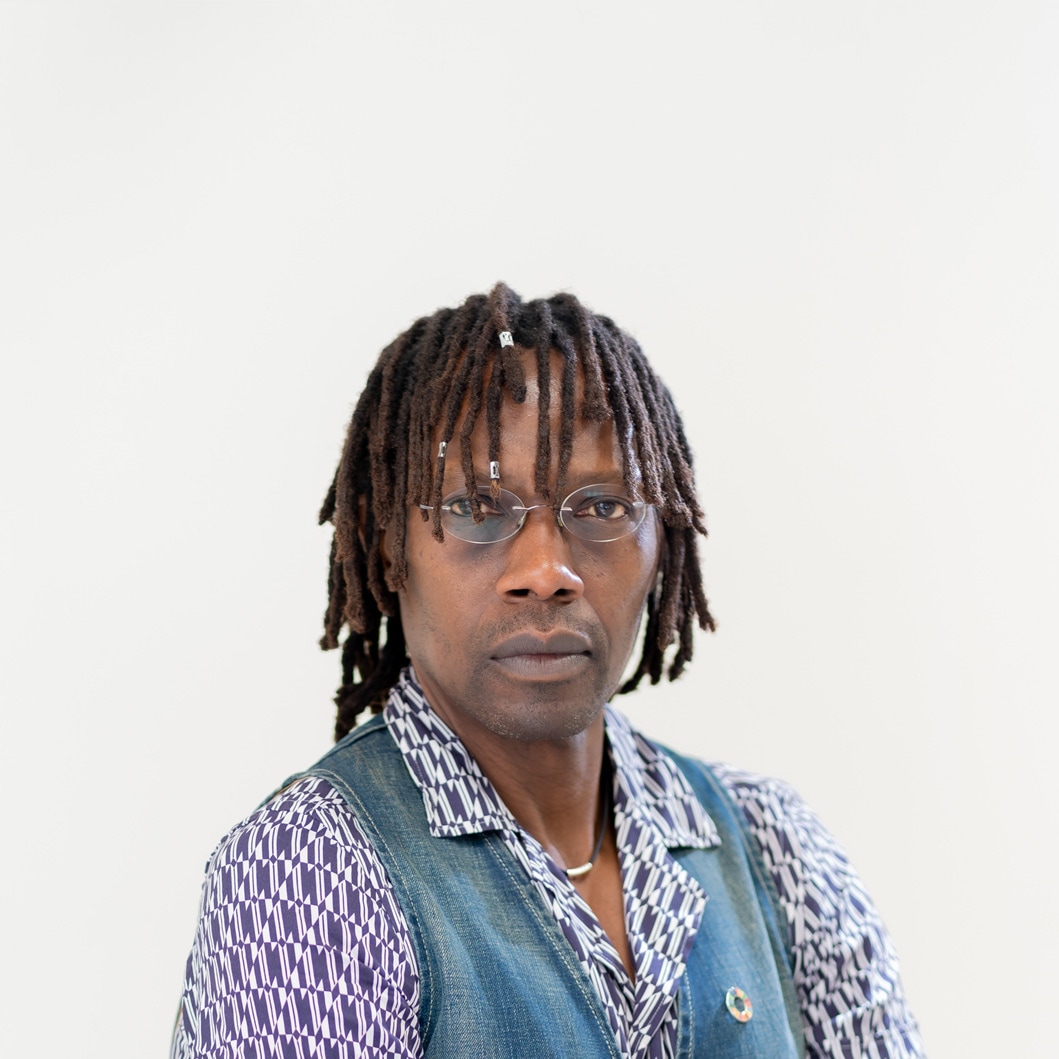
Dixon Chibanda
Psychiatrist
3
APPEARANCES
3
PODCASTS
Nov 17, 2026


Dixon ChibandaGUEST
I was clueless to be quite honest, you know, um, and I, and I'm, I'm very, very grateful to the, to those first 14 grandmothers.
Dixon ChibandaGUEST
And, um, it's also because it was them that I first opened up to about the loss of Erica and the way they handled my story, uh, was something that humbled me and also made me realize, you know, the power of that community and the power of simple things like just embracing, the power of prayer, the power of talking, singing, you know, because when I shared with them what had happened with, you know, the loss of Erica and how I was feeling, the whole imposter syndrome and just struggling to come to terms with it, they, they broke out in a song, you know, a soothing Shona, a song about healing.
Dixon ChibandaGUEST
And after singing that song, they, they prayed for me, you know, um, and of course, you know, coming from a scientific world, I'm like, you know, praying, you know, I mean, this is, you know, but then you begin to realize how some of these indigenous ways of connecting with one another can have value and can also be integrated in some of our more Western ways of thinking.
Dixon ChibandaGUEST
And this is partly why at Friendship Bench, you know, we realized that, all right, some people will come to the bench.


David NuttHOST
So tell us about yourself and your background and how you got into psychiatry and into the helping people.
Dixon ChibandaGUEST
So I got into psychiatry after the loss of a colleague, close friend at medical school who took his own life.
34 MINS LATER

Cliff DunningHOST
How does it start? What is the interaction like? And what is the length of the interaction?
Dixon ChibandaGUEST
As I said earlier on, a typical session starts with, well, a person referred to the bench.
Dixon ChibandaGUEST
They could be referred from a police station, from a primary healthcare facility.
Dixon ChibandaGUEST
It can be a referral through our social media platform, or they've seen something on Facebook or in Instagram, and then they come to the bench.
Dixon ChibandaGUEST
Would you like to share your story? And often people then will start sharing their story.
Dixon ChibandaGUEST
And the thing is, people don't come to the bench knowing that they have a psychiatric condition or a mental health condition.
15 MINS LATER
speaker_3UNKNOWN
I