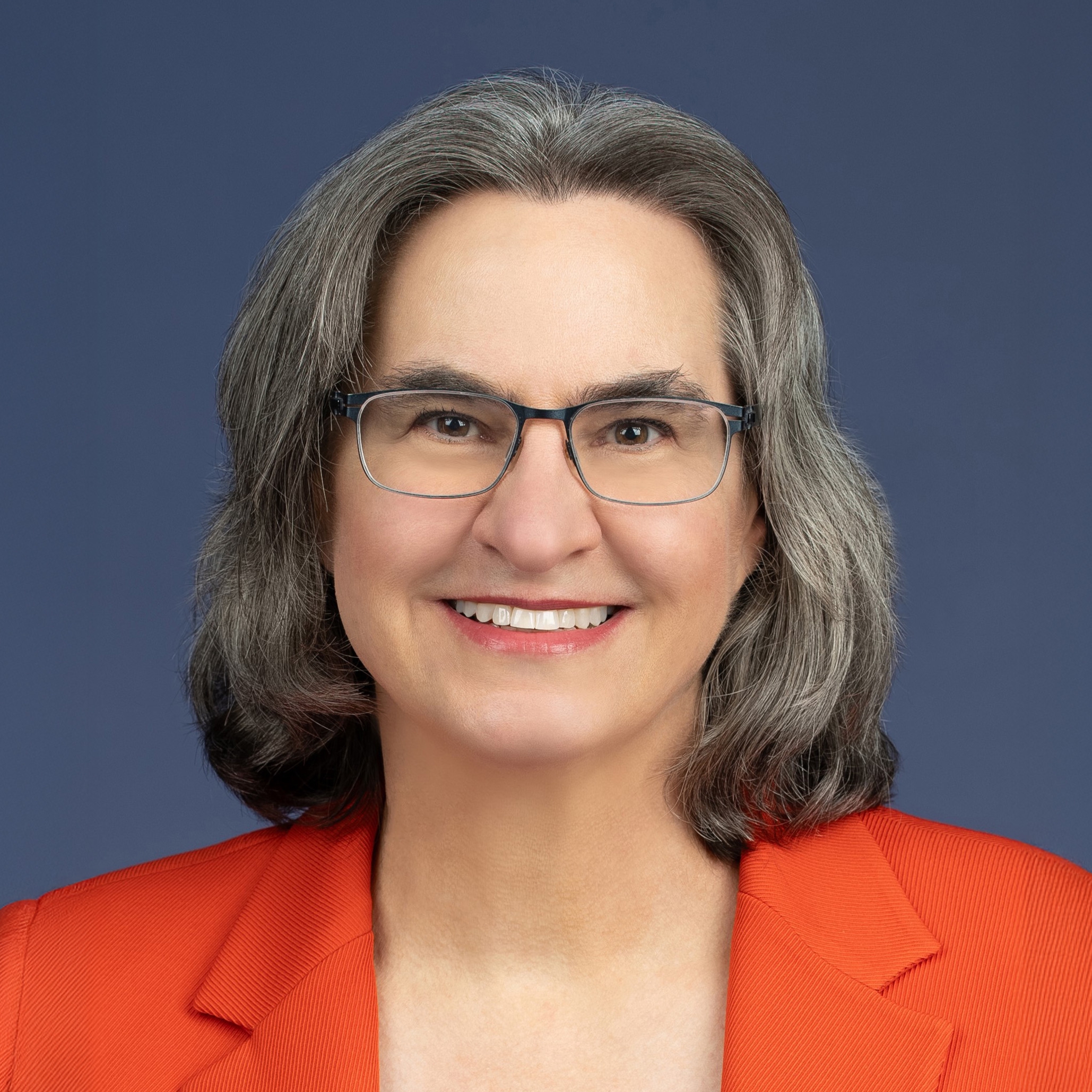
Clarissa Kripke
Physician and Professor of Family and Community Medicine at UCS; director of the Office of Developmental Primary Care, host of UCSF's Health and Medicine and Developmental Disabilities Update series.
2
APPEARANCES
2
PODCASTS
Jul 2, 2026


Scott WienerGUEST
And so we're working hard with the coalition to try to get that through the legislature onto the ballot.

Clarissa KripkeGUEST
Yes, I have patients in my practice whose developmental disabilities were caused by vaccine preventable illnesses, specifically congenital rubella, which if people got their MMR could have been prevented.
Clarissa KripkeGUEST
And so, yes, as we As we do this, it is going to increase the number of people with developmental disabilities and put more pressure on the systems that serve our children.
Clarissa KripkeGUEST
So thank you for efforts to invest in continued research and continued public health infrastructure.
Clarissa KripkeGUEST
in in the past when the lantern act was passed most people were moving from institutions to 24-hour care and group homes but now the majority of people with developmental disabilities are living with family with aging parents, and those parents need support to provide their care even as they age and need care themselves.
7 MINS LATER
speaker_1HOST
And the first question that comes to my mind is how health care professionals, as well as self advocates, families, people in the community can communicate with legislators, especially for help with implementation when bills get passed to make sure that the intent of the bill matches the actual outcome of the bills.

Scott WienerGUEST
And so we're working hard with the coalition to try to get that through the legislature onto the ballot.
Clarissa KripkeGUEST
Yes, I have patients in my practice whose developmental disabilities were caused by vaccine preventable illnesses, specifically congenital rubella, which if people got their MMR could have been prevented.
Clarissa KripkeGUEST
And so, yes, as we As we do this, it is going to increase the number of people with developmental disabilities and put more pressure on the systems that serve our children.
Clarissa KripkeGUEST
So thank you for efforts to invest in continued research and continued public health infrastructure.
Clarissa KripkeGUEST
in in the past when the lantern act was passed most people were moving from institutions to 24-hour care and group homes but now the majority of people with developmental disabilities are living with family with aging parents, and those parents need support to provide their care even as they age and need care themselves.
7 MINS LATER
speaker_1MODERATOR
And the first question that comes to my mind is how health care professionals, as well as self advocates, families, people in the community can communicate with legislators, especially for help with implementation when bills get passed to make sure that the intent of the bill matches the actual outcome of the bills.