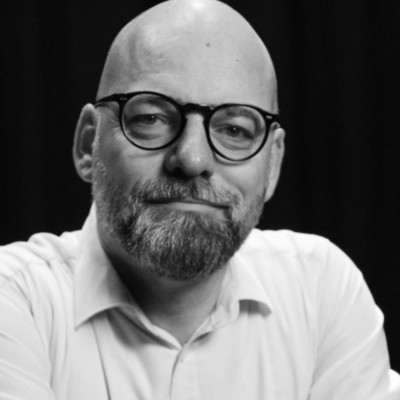
Casper Skovgaard Petersen
Director and Head of Research & Publications at the Copenhagen Institute for Futures Studies; editor-in-chief of FARSIGHT magazine and co-host of the FARSIGHT and Using the Future podcasts.
1
APPEARANCES
1
PODCASTS
Oct 13, 2026


8:24

Yeah, and I think it's-- [clears throat] I don't think it's a, I don't think it's a point you will find in, in, in most definitions, um, but we felt a need to include it because, um, if we take Martin's analogy of the shoreline, if you zoom too far out, you have the world map, and you have shorelines everywhere, and maybe you get so far out that you, you lose...
8:49
It's all abstraction, and you lose the ability to make sense of it.
8:53
And we felt that we needed a, a similar, uh, a similar boundary around, um, sort of the, the, the, the temporality of a, of a megatrend, you could call it that.
9:06
So the reason we use this word historically, uh, specific and not say transhistorical is because we're, we're interested in specific conditions of human society that have a history and a future, but also potentially an endpoint at some point in the future.
9:27
Demographic change has always happened since the first Stone Age people, and it will keep happening into the future.
18 MINS LATER