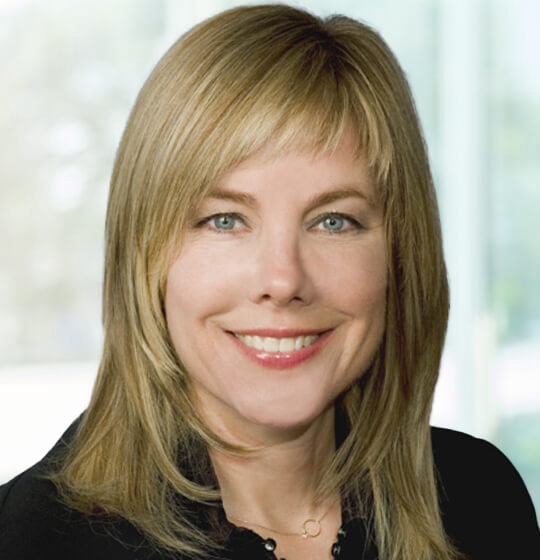
Anne Larson
Ann Larson is the author of "Cleanup on Aisle Five," a cofounder of the Debt Collective, and a fellow with the Economic Hardship Reporting Project.
7
APPEARANCES
6
PODCASTS
Oct 15, 2026

Justin AngleHOST
and she passed in 2022 on labor day as it were correct yeah Anne, talk about your, where did you make contact with Barbara's work and what role has it played in your intellectual development?

Anne LarsonGUEST
Yeah, it would be really hard to think of somebody who had more of an influence on me as a thinker and writer than Barbara Ehrenreich.
Anne LarsonGUEST
I never had the privilege of meeting her, but I read Nickel and Dimed, the book that's celebrating its 25th year, this year when I was in graduate school and I was teaching and I taught it to my students.
Anne LarsonGUEST
And, you know, it had such an impact on me because if you think about that historical moment, you know, 25 years ago, it was really, you know, a time when people called it the end of history.
Anne LarsonGUEST
The rhetoric was that capitalism had won out over all the alternatives and everybody got what they deserved.
Justin AngleHOST
And your response to that idea of the working class, I mean, it sounds like from how you recounted your bio and experience, you've sort of moved in and out of a couple of these different, to the extent they are categories, that you've sort of, it's been a permeable idea in your upbringing.


Anne LarsonGUEST
I mentioned earlier, you know, this idea of the end of history and the meritocracy had won out and, and everything was as, you know, we were in the best of all possible worlds, and how Nickeled and Dimed sort of punctured that myth.
Anne LarsonGUEST
I, I do think also one of the things that I remember from that period is this kind of...
Anne LarsonGUEST
Looking back, it seems like, you know, we were all living in, in this myth, in this kind of dream world, and, and our feet weren't really on the ground in a way.
Anne LarsonGUEST
Um, you know, I really thought, uh, I was going to get a job in academia and be a professor.
Anne LarsonGUEST
[laughs] I mean, I think about that now given my, my background and the fact that I, I went to CUNY and I studied English, and that was never going to happen.
11 MINS LATER


ZachHOST
What does Solidarity look like at a grocery store? Specifically like f- for, for us customers being in solidarity with, with folks who work there.
Anne LarsonGUEST
When I think of what solidarity looks like at the supermarket, I think obviously of being kind, being understanding, being polite.
Anne LarsonGUEST
It's widely regarded falsely as unskilled labor, when in fact, the people who work at your local supermarket have a lot of skills, um, from technical skills to communication skills to the ability to work on your feet eight hours a day.
Anne LarsonGUEST
And so understanding from customers, kindness, politeness, those are all needed, uh, and appreciated.
Anne LarsonGUEST
I think more broadly, shoppers need to support grocery workers' demands for unions.
ZachHOST
But I want, I want you to just, uh, any, any parting words that you have as someone who has, who's worked on the inside, who's been on the outside, that, that you wanna tell us as we are, um, you know, making our way down aisle five?


Anne LarsonGUEST
If you think about your neighborhood grocery store, it's hard to imagine living without it.
Anne LarsonGUEST
You can go in any time and find, you know, thousands of products on sale, uh, day or night.
6 MINS LATER
Anne LarsonGUEST
If you think about your neighborhood grocery store, it's hard to imagine living without it.
Anne LarsonGUEST
You can go in anytime and find n- you know, thousands of products on sale, uh, day or night.
6 MINS LATER

Anne LarsonGUEST
[laughs] Um, and I was also working in an organization called The Debt Collective that you mentioned, that I co-founded.
Anne LarsonGUEST
But I was always kind of precarious, those jobs, and I ended up, uh, unemployed and entering, uh, middle age at a time, um, when the pandemic was just getting started.
Anne LarsonGUEST
Um, and I needed something to just get me through the crisis, uh, till I figured out, you know, what to do next and, and my next line of work.
8 MINS LATER

Richard WolffHOST
But I want somehow everybody else to understand what the implications for the whole society are, that this is the way one of the largest job categories, as you put it, that we have, what kind of life this means for the millions of people that are involved doing this work.


Anne LarsonGUEST
Well, first of all, everyone, I want to know how many of you have received a complaint or a request in the last year with possible AI use.
Anne LarsonGUEST
We asked this polling question today at Workplace Strategies, and 84% of the room said yes, 16% said no.
Anne LarsonGUEST
HR is receiving more and more internal complaints and demands that are well-written, polished, and cite more legal authority than a first-year law exam.
Anne LarsonGUEST
These AI tools produce lengthy demands and complaints that appear to have been drafted by a lawyer.
14 MINS LATER