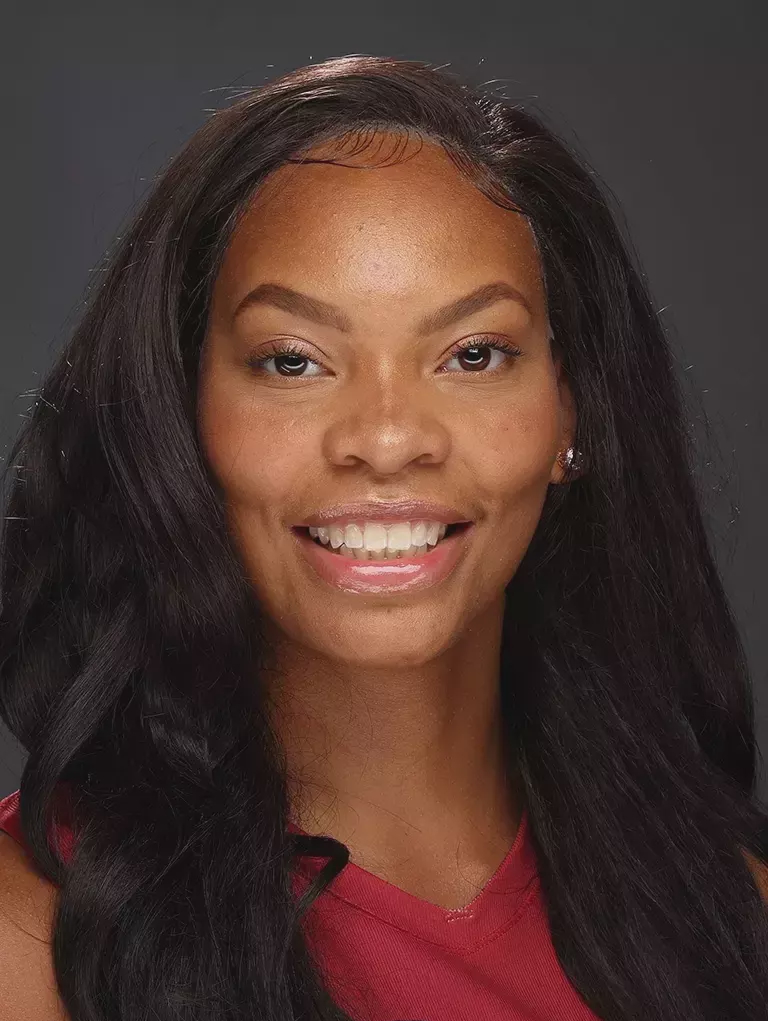
Dr. Martin Kifer High Point University Polling
Oct 29, 2026 · 6 min · 4 segments
Dr. Martin Kifer High Point University Polling
- Speakers
 Martin KiferGuest
 Jeff HamlinHost
- Show signals
- SuitabilitySafeAudience≈2k followers
Oct 29, 2026 · 6 min · 4 segments
Dr. Martin Kifer High Point University Polling
Martin KiferGuestJeff HamlinHost
And joining us now, the director of the High Point University poll, it is Dr. Martin Kifer.
And what did you find regarding North Carolinians and their preference regarding daylight saving time?

Yeah, we don't have a majority in favor of anything except changing the current system.
We usually find about 40 percent, 40 some percent of people who say that they would like permanent daylight saving time, which is, you know, what we're going back to.
Usually we find, you know, about a quarter to a third say stay with the current system and then it's in the tens or teens, the people who would like to go to standard time permanently.
I mean, part of it has to do with when we ask the different experts on High Point University campus.
I do the polls, but we've got nurses and we've got economists and other people who comment.
The cost happens to people because their circadian rhythms are disrupted, and that can have all kinds of health implications.
But there are some hypothesized savings that would come if you went one way or another in terms of saving energy because you wouldn't have to have as much lighting and so forth.
Yeah, and it's interesting hearing from folks who want to change this system because we actually did go back and I think it was just before I was born, as a matter of fact, in 1973, I think it was the year where they actually tried to go year-round daylight savings time and it didn't work out well because people had to show up, you know, school kids were showing up in the dark waiting for their buses and after a while, after about a year of that, they just went ahead and eliminated it, right? Yeah.
Yeah, well, that's one of the things that people worry about, that if you went to permanent daylight saving time, that you would have those early mornings that would be darker, you know, as we're going toward winter, and that may not be as good for the kids.
And joining us now, the director of the High Point University poll, it is Dr. Martin Kifer.
And what did you find regarding North Carolinians and their preference regarding daylight saving time?
Yeah, we don't have a majority in favor of anything except changing the current system.
We usually find about 40 percent, 40 some percent of people who say that they would like permanent daylight saving time, which is, you know, what we're going back to.
Usually we find, you know, about a quarter to a third say stay with the current system and then it's in the tens or teens, the people who would like to go to standard time permanently.
I mean, part of it has to do with when we ask the different experts on High Point University campus.
I do the polls, but we've got nurses and we've got economists and other people who comment.
The cost happens to people because their circadian rhythms are disrupted, and that can have all kinds of health implications.
But there are some hypothesized savings that would come if you went one way or another in terms of saving energy because you wouldn't have to have as much lighting and so forth.
Yeah, and it's interesting hearing from folks who want to change this system because we actually did go back and I think it was just before I was born, as a matter of fact, in 1973, I think it was the year where they actually tried to go year-round daylight savings time and it didn't work out well because people had to show up, you know, school kids were showing up in the dark waiting for their buses and after a while, after about a year of that, they just went ahead and eliminated it, right? Yeah.
Yeah, well, that's one of the things that people worry about, that if you went to permanent daylight saving time, that you would have those early mornings that would be darker, you know, as we're going toward winter, and that may not be as good for the kids.
The rest of this transcript — segmented and speaker-labeled, so you land on the exact moment something was said
Search every transcript — by keyword, by phrase, or by meaning, across every show Radar indexes
Trends — what is surging across podcasts, measured against its own baseline
Alerts — when a name you follow appears in a newly indexed episode
No account is needed to search Radar.