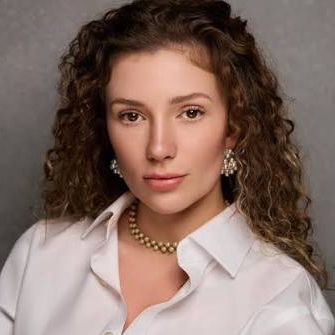
Vocal Tips in 10 with Amber Mogg Cathey
Sep 9, 2026 · 12 min · 10 segments
What does it actually mean to “sound like yourself” as a singer? If you’ve ever wondered *What’s my sound?*—or caught yourself trying to sound like the artist, genre, or version of a singer you think…
Amber Mogg CatheyHostI want to jump right in today to a topic that so many singers stress about.
I find most vocal artists find more success when they really lean into who they truly are, how they want to communicate, what they want to communicate.
But that's a really kind of big topic, isn't it? And I think it's daunting for a lot of people.
I don't know what is my true sound and what is years I've spent mimicking or singing in this style of band or in this genre because of job opportunities I've gotten.
So I want to jump into some tips and tools and tactics that you can play with today to help you find your sound.
I also want to preface this before we jump in by saying I feel the other thing that is daunting about it is people think, oh my gosh, I've got to find my sound and then that's who I am.
If you're being true to yourself, true to not only kind of the natural voice you bring, but where you are in your life, how you feel, what's important to you, that's going to change.
I sure hope that we do, which means very likely your sound, your style will change, or it can, or it doesn't have to.
So I always tell singers and vocal artists I work with that are worried about this topic, you don't have to decide the sound you're going to have and that you will never deviate from for the rest of your life.
Very few of us just kind of choose one lane at whatever point we are in our lives and never change.
I want to jump right in today to a topic that so many singers stress about.
I find most vocal artists find more success when they really lean into who they truly are, how they want to communicate, what they want to communicate.
But that's a really kind of big topic, isn't it? And I think it's daunting for a lot of people.
I don't know what is my true sound and what is years I've spent mimicking or singing in this style of band or in this genre because of job opportunities I've gotten.
So I want to jump into some tips and tools and tactics that you can play with today to help you find your sound.
I also want to preface this before we jump in by saying I feel the other thing that is daunting about it is people think, oh my gosh, I've got to find my sound and then that's who I am.
If you're being true to yourself, true to not only kind of the natural voice you bring, but where you are in your life, how you feel, what's important to you, that's going to change.
I sure hope that we do, which means very likely your sound, your style will change, or it can, or it doesn't have to.
So I always tell singers and vocal artists I work with that are worried about this topic, you don't have to decide the sound you're going to have and that you will never deviate from for the rest of your life.
Very few of us just kind of choose one lane at whatever point we are in our lives and never change.
The rest of this transcript — segmented and speaker-labeled, so you land on the exact moment something was said
Search every transcript — by keyword, by phrase, or by meaning, across every show Radar indexes
Trends — what is surging across podcasts, measured against its own baseline
Alerts — when a name you follow appears in a newly indexed episode
No account is needed to search Radar.