The Storyteller's Shelf Podcast
Sep 17, 2026 · 31 min · 10 segments
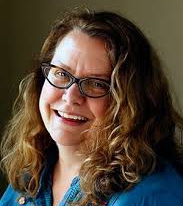
Megan McDonald, author of Judy Moody, Stink, Bunny and Clyde, and The Fairy Door Diaries, joins The Storyteller’s Shelf Podcast to share how she went from children’s librarian to beloved children’s…
Megan McDonaldGuestPrimary HostHostCo-HostHostWhat advice would you offer writers navigating the process today?

Well, my experience is so different because we're going back now 35 years, maybe.

So I actually... didn't have any idea how to submit a manuscript or what it looked like or who to send it to.

And a friend of mine took my scribbly notebook draft and typed it up for me just so I could even read a clean draft.

And so back in my day, you literally... put the self-addressed stamped envelope in with the printed pages and sent it off to an editor at a publishing house and then just wait a really long time to find out if you even will be read.

This is at the Carnegie Library in Pittsburgh where I grew up, and I was working there, and they brought authors and their editors every year to this conference.

So I met this editor in person just over a lunch or something for this event, and it gave me the idea that I had a name of somebody I could send to.

He kind of peered at me over his glasses and said, "'Are you a writer?' And I didn't even know how to answer at that point, but he invited me to send him something.

And this was Richard Jackson, who, oh gosh, he's no longer living, but he was really a premier editor for many, many years in the business.

So once I had that connection, I just sent the manuscript off and it got lost in the mail two times.

So I would wait for like months and then call them up and they would say, we have no record of this hermit crab story, right? So I was like, well, what do I do? And they were like, send it again.

It was so frustrating, but it actually worked in my favor because the editor felt so terrible that they kept misplacing it that he read it like the day he said, send it to me certified or whatever.

And he read it that day and called me on the phone and said, I want to publish this.

And I know that's so different from the stories of the hundreds of, you know, You know, I remember hearing Madeline L'Engle speak, and she said she could literally wallpaper this big room in her house with all the rejection letters she had received.

I had made a connection with an editor and now he said, show me anything else you have.

So things that I had been working on, I was able to then have an avenue to send those off.
What advice would you offer writers navigating the process today?

Well, my experience is so different because we're going back now 35 years, maybe.

So I actually... didn't have any idea how to submit a manuscript or what it looked like or who to send it to.

And a friend of mine took my scribbly notebook draft and typed it up for me just so I could even read a clean draft.

And so back in my day, you literally... put the self-addressed stamped envelope in with the printed pages and sent it off to an editor at a publishing house and then just wait a really long time to find out if you even will be read.

This is at the Carnegie Library in Pittsburgh where I grew up, and I was working there, and they brought authors and their editors every year to this conference.

So I met this editor in person just over a lunch or something for this event, and it gave me the idea that I had a name of somebody I could send to.

He kind of peered at me over his glasses and said, "'Are you a writer?' And I didn't even know how to answer at that point, but he invited me to send him something.

And this was Richard Jackson, who, oh gosh, he's no longer living, but he was really a premier editor for many, many years in the business.

So once I had that connection, I just sent the manuscript off and it got lost in the mail two times.

So I would wait for like months and then call them up and they would say, we have no record of this hermit crab story, right? So I was like, well, what do I do? And they were like, send it again.

It was so frustrating, but it actually worked in my favor because the editor felt so terrible that they kept misplacing it that he read it like the day he said, send it to me certified or whatever.

And he read it that day and called me on the phone and said, I want to publish this.

And I know that's so different from the stories of the hundreds of, you know, You know, I remember hearing Madeline L'Engle speak, and she said she could literally wallpaper this big room in her house with all the rejection letters she had received.

I had made a connection with an editor and now he said, show me anything else you have.

So things that I had been working on, I was able to then have an avenue to send those off.
The rest of this transcript — segmented and speaker-labeled, so you land on the exact moment something was said
Search every transcript — by keyword, by phrase, or by meaning, across every show Radar indexes
Trends — what is surging across podcasts, measured against its own baseline
Alerts — when a name you follow appears in a newly indexed episode
No account is needed to search Radar.