
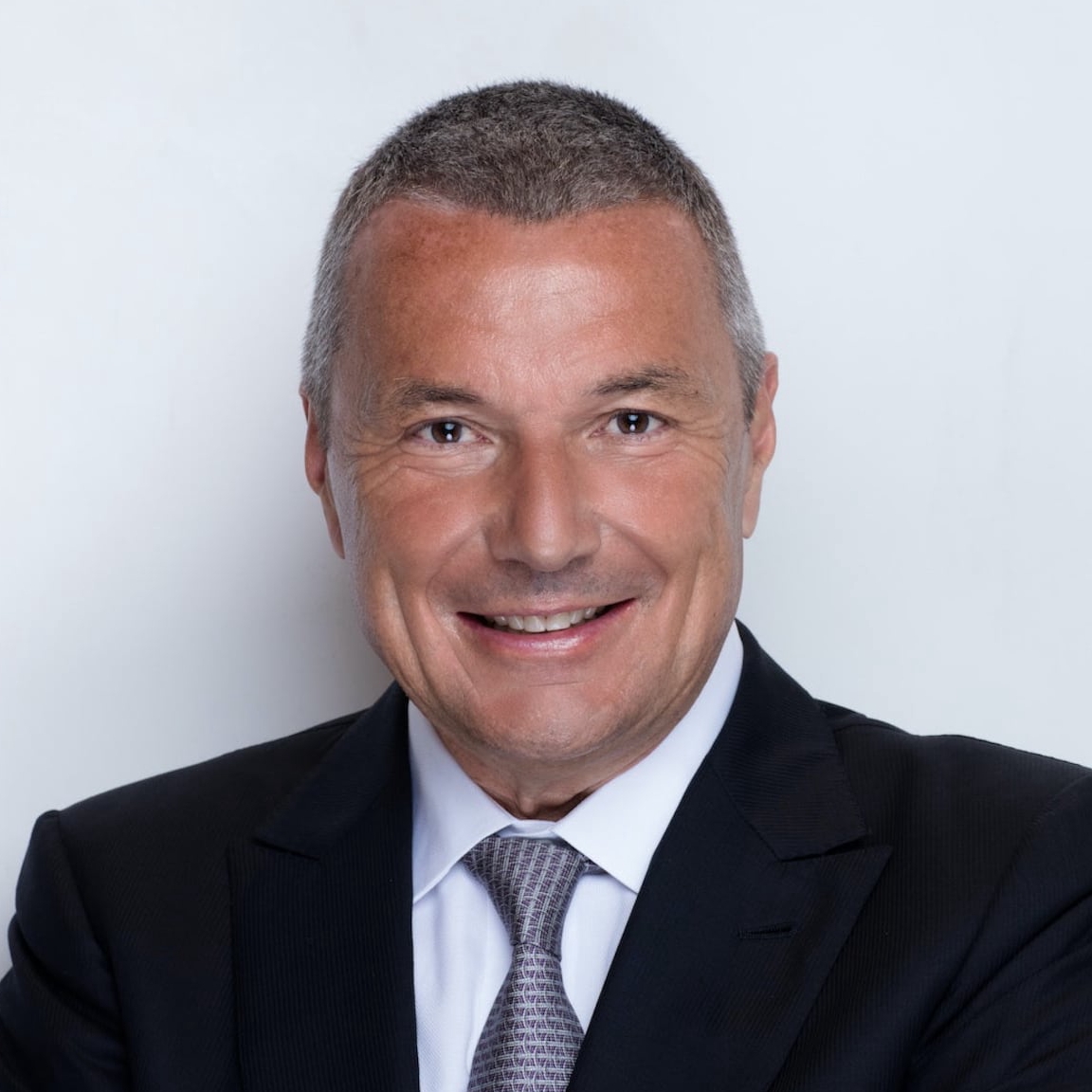
Geneva Watch Days 2026: Jean-Christophe Babin, President Of GWD
Sep 14, 2026 · 33 min · 9 segments
Send us Fan Mail Geneva Watch Days content will continue to air daily until September 27th, before our weekly frequency resumes. If you have any…
Sep 14, 2026 · 33 min · 9 segments
Send us Fan Mail Geneva Watch Days content will continue to air daily until September 27th, before our weekly frequency resumes. If you have any…
 Jean-Christophe BabinGuestRob NuddsHostAlon Ben JosephHost
One of the things we've noticed as more, shall we say, traditional legacy media is that content creators are now classed as their own attendee category.
And what changed for you in how you approach the digital and social coverage compared to the magazines, the blogs, the more traditional media?
There's been a huge shift because of digital, which is obviously extremely positive for small industries like luxury watchmaking because luxury watchmaking is not necessarily, you know, the priority of the main, I would say, generalist media because they have to talk about politics, about economy, about social trends, about many other things.
And this is why 20, 30, 40 years ago, you had the birth of specialized watch magazines.
And they did a great job, but a job which was more reinforcing the passion of already converted fanatic of watches or collectors, but not necessarily recruiting.
and about, you know, very technical aspect of watchmaking, that they missed the lifestyle dimension, the context of the pleasure of wearing beautiful timepieces, which has given birth to the second generation, I would say, of printed media.
The Lies of Revolution, for instance, or Tiempo de Redores, which have opened watchmaking to a broader perspective.
So introducing other luxuries like cars, for instance, real estate, holidays.
So opening it, and this has started obviously to appeal not only to people already converted, but to people interested by an overall lifestyle, which included obviously a strong watchmaking dimension.
And digitalization has been really an extraordinary opportunity of watchmaking because influencers, passionate clients, thanks to digital, are themselves journalists.
Some are followed by 10 million, and maybe only one person will be converted.
But eventually the birth and I would say globalization for digital, has done a lot of good to the watchmaking category, which was undercovered because it's a pretty specialized category, which do not come in top of mind of most people when it's about discretionary spending.
They will think about going to a great restaurant with friends or with a wife.
They will think about fashion because fashion is... always hammering with the catwalks for winter, spring, summer, the cruise, whatever.
And so watchmaking is a bit a category which is less under the spotlight.
And this contributes, obviously, to attract more people to watchmaking, because understand that it's not only about sophisticated, complex mechanics.
But it's about the pleasure of processing something which has been passionately crafted by people who consider each and every single watch as a piece of art.


One of the things we've noticed as more, shall we say, traditional legacy media is that content creators are now classed as their own attendee category.
And what changed for you in how you approach the digital and social coverage compared to the magazines, the blogs, the more traditional media?
There's been a huge shift because of digital, which is obviously extremely positive for small industries like luxury watchmaking because luxury watchmaking is not necessarily, you know, the priority of the main, I would say, generalist media because they have to talk about politics, about economy, about social trends, about many other things.
And this is why 20, 30, 40 years ago, you had the birth of specialized watch magazines.
And they did a great job, but a job which was more reinforcing the passion of already converted fanatic of watches or collectors, but not necessarily recruiting.
and about, you know, very technical aspect of watchmaking, that they missed the lifestyle dimension, the context of the pleasure of wearing beautiful timepieces, which has given birth to the second generation, I would say, of printed media.
The Lies of Revolution, for instance, or Tiempo de Redores, which have opened watchmaking to a broader perspective.
So introducing other luxuries like cars, for instance, real estate, holidays.
So opening it, and this has started obviously to appeal not only to people already converted, but to people interested by an overall lifestyle, which included obviously a strong watchmaking dimension.
And digitalization has been really an extraordinary opportunity of watchmaking because influencers, passionate clients, thanks to digital, are themselves journalists.
Some are followed by 10 million, and maybe only one person will be converted.
But eventually the birth and I would say globalization for digital, has done a lot of good to the watchmaking category, which was undercovered because it's a pretty specialized category, which do not come in top of mind of most people when it's about discretionary spending.
They will think about going to a great restaurant with friends or with a wife.
They will think about fashion because fashion is... always hammering with the catwalks for winter, spring, summer, the cruise, whatever.
And so watchmaking is a bit a category which is less under the spotlight.
And this contributes, obviously, to attract more people to watchmaking, because understand that it's not only about sophisticated, complex mechanics.
But it's about the pleasure of processing something which has been passionately crafted by people who consider each and every single watch as a piece of art.
The rest of this transcript — segmented and speaker-labeled, so you land on the exact moment something was said
Search every transcript — by keyword, by phrase, or by meaning, across every show Radar indexes
Trends — what is surging across podcasts, measured against its own baseline
Alerts — when a name you follow appears in a newly indexed episode
No account is needed to search Radar.
