The Over 50 Health & Wellness Podcast
The Great Muscle Shortage - Why Losing Weight Isn't Enough After 50
Jun 17, 2026 · 42 min · 13 segments
Text us a comment or question! Most people think the biggest health problem in America is obesity. Coach Kevin disagrees. In this powerful episode…
Text us a comment or question! Most people think the biggest health problem in America is obesity. Coach Kevin disagrees. In this powerful episode of The Over 50 Health & Wellness Show, we tackle a health crisis that almost nobody is talking about - **the Great Muscle Shortage.** While the media obsesses over weight loss, calories, and shrinking the number on the scale, millions of adults over 50 are quietly losing something far more important… Strength. Muscle. Capability. Independence. And that loss may be one of the biggest threats to healthy aging. In this episode, Kevin explains why muscle isn't just about looking good - it's one of the most important predictors of longevity, metabolic health, resilience, and quality of life after 50. If you've been focused on getting smaller, this episode may completely change how you think about health and fitness. **In This Episode:** 💪 Why muscle loss is America's invisible health crisis ⚖️ Why weight and health are not the same thing 🧍 The truth about "skinny fat" and hidden fragility 🫀 Why muscle is one of the most important organs of longevity 🚶 How modern life is quietly stealing your strength 🏋️ The biggest myths keeping people weak after 50 ✈️ Why strength is really about freedom—not fitness 📈 How to build your "Muscle Retirement Account" 🔥 The mindset shift that can transform your health for decades **Key Takeaway** Most people spend decades building a financial retirement account. Very few people spend the same effort building a physical retirement account. Every strength workout is a deposit. Every protein-rich meal is a deposit. Every year of consistency is a deposit. And one day, you'll either live off the strength you've built... or suffer from the strength you didn't. **If You Enjoyed This Episode:** ⭐ Follow the show ⭐ Leave a 5-star review ⭐ Share this episode with someone who thinks aging automatically means getting weaker ⭐ And remember... **After 50, the goal isn't to weigh less. The goal is to become stronger, more capable, and more resilient for the decades ahead.** 💪🔥 Over 50 and frustrated with your progress? Click HERE to book a free Silver Edge Clarity Call and get a clear plan forward. Over 50 and frustrated with your progress? Book a free Silver Edge Clarity Call and get a clear plan forward. 👉 https://go.silveredgefitness.com/clarirty-call
Text us a comment or question! Most people think the biggest health problem in America is obesity. Coach Kevin disagrees. In this powerful episode…
- Speakers
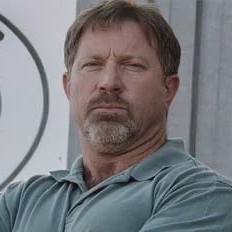
- KKevin EnglishHost