The Jizo-an Zen Community Podcast
Aug 19, 2026 · 29 min · 10 segments
As we move through this life, we tend to exchange old stories for new ones, but always there is a backdrop of old fears like a shadow that haunts us. In order to fully mature, we need to see through…
So this evening I want to talk a bit about maturing through this practice.
The path I've chosen to talk about this topic is to compare two different modern views of maturity.
So I think it will, should be instructive in comparison.
So as we move through this life, we tend to exchange old stories for new ones, but always there is a backdrop of old fears, like a shadow that haunts us.
In order to fully mature, we need to take these stories conscious, to see through them, identify and come to grips with our coping behaviors and strategies.
Both Zen practice and psychotherapy help us to surface our perceived shortcomings and engage the process of transforming them.
And in the process, we can commit to sharing our lives and relationships in a more ethical and appropriate way.
We can choose to act according to our best instincts and ethics while not accepting any authority without questioning.
Maturity is consciously established over time.
It is not granted.
It is discovered in an earnest process of exploration.
So tonight we'll take a look at two contemporary views of awakening, of maturing, viewed from both personal and societal angles.
In the early discourses are some examples of his taking care of sick monks.
In fact, religious figures of both East and West at that time were often found to play roles of philosophers, advisors, and healers who would recommend activities, medicinal herbs, and dietary supplements to treat the ailing.
Some of them were brought into royal courts to attend to the ruling classes.
It is only in the last few centuries, beginning with the so-called Age of Enlightenment in the West, that these healing practices developed into their own specialized and highly focused sciences.
So tonight I'll present two apparently complementary views of the spiritual maturation process from two modern sages.
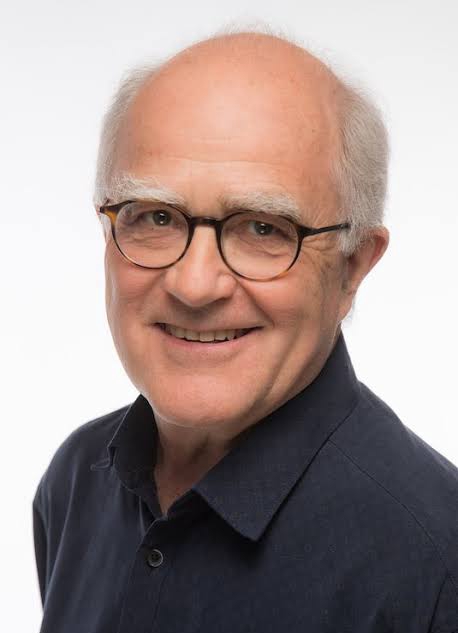
The first from the Jungian psychologist James Hollis, and the second from secular Buddhist teacher, monk, and scholar Stephen Batchelor.
The rest of this transcript — segmented and speaker-labeled, so you land on the exact moment something was said
Search every transcript — by keyword, by phrase, or by meaning, across every show Radar indexes
Trends — what is surging across podcasts, measured against its own baseline
Alerts — when a name you follow appears in a newly indexed episode
No account is needed to search Radar.