THE EXPLODING HUMAN with Bob Nickman
Sep 27, 2026 · 42 min · 14 segments
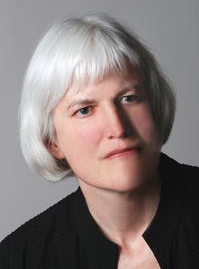
UC Berkeley professor **GEORGINA KEEGE** talks about growing up with blindness and her work as an author, and professor of Creative Writing and Disability Studies. She discusses some of her…
Georgina KleegeGuest
Bob NickmanHost
What are some of the ways, I guess, that we can improve teaching? how people with disabilities function better in the world, are able to, you know, where are we missing the boat, you think, as a society and where can we improve and how can we do that? Not that you're the spokesman for that, but I think you have experience.

I mean, for me, for a blind person, and, you know, there are a lot of technological solutions I mean, it's much easier to be a blind person now than it was when I was a kid, you know, just because of technology.

The problem is that, you know, the designers need to remember to build that in or to have the button that turns it on or to whatever it is.

It's just a matter of recognizing that there are disabled people who are going to use this technology.

I mean, one of my frustrations as a professor is, for instance, at universities now, we have course management.

And the ed tech people who make them are very aware of the, the issues for disabled students.

Actually the accessibility for the students is quite good, but from the, um, the designer from, if you're creating the website, you are the instructor.

It's just this mindset that if, okay, we recognize that there are disabled students in the world, but would there be a disabled professor? How, you know, how would that work? So, you know, you sort of need to push the, push the understanding that there are disabled people in all sorts of work, you know, ways of life.

What are some of the ways, I guess, that we can improve teaching? how people with disabilities function better in the world, are able to, you know, where are we missing the boat, you think, as a society and where can we improve and how can we do that? Not that you're the spokesman for that, but I think you have experience.

I mean, for me, for a blind person, and, you know, there are a lot of technological solutions I mean, it's much easier to be a blind person now than it was when I was a kid, you know, just because of technology.

The problem is that, you know, the designers need to remember to build that in or to have the button that turns it on or to whatever it is.

It's just a matter of recognizing that there are disabled people who are going to use this technology.

I mean, one of my frustrations as a professor is, for instance, at universities now, we have course management.

And the ed tech people who make them are very aware of the, the issues for disabled students.

Actually the accessibility for the students is quite good, but from the, um, the designer from, if you're creating the website, you are the instructor.

It's just this mindset that if, okay, we recognize that there are disabled students in the world, but would there be a disabled professor? How, you know, how would that work? So, you know, you sort of need to push the, push the understanding that there are disabled people in all sorts of work, you know, ways of life.
The rest of this transcript — segmented and speaker-labeled, so you land on the exact moment something was said
Search every transcript — by keyword, by phrase, or by meaning, across every show Radar indexes
Trends — what is surging across podcasts, measured against its own baseline
Alerts — when a name you follow appears in a newly indexed episode
No account is needed to search Radar.