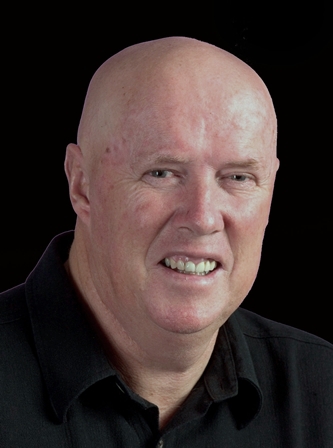
Acacia PorterGuestWhat were some of the outcomes that you got in relation to digital accessibility and communication? Because I was just astounded at some of the stuff.
It was so innovative, the ideas that were happening.
Oh, there was, you know, I'm actually just collating all of that data right now because we got some amazing
feedback.
What was some of the main standouts, Keisha, with disability and women and girls as far as that

accessibility? I think what was really good and what I wanted to see happen for the day is the difference between accessibility and inclusion and noticing and identifying that there are two different pieces that go with that.

So I think that was a good eye opener for people that attended, knowing that there's you know, the ability to access, but then how can I be included at the same time? And that's, you know, websites to feeling comfortable and confident to be in the room, feeling engaged, feeling connected.

There's, you know, from the start to the whole process to being involved in a sport.
I've got to admit, there were two things that stood out for me.
There was a gentleman that talked about when you're inclusive, you're actually excluding people as well.
And I found that a very interesting comment.
And the other one, and I don't remember who said it, but they said, why aren't we starting to train up people with disability now to be volunteers?
participate in any way.
That was awesome.

They're very early conversations at this point, but there is a plan to have people included in some training and learning so that they can be are volunteers when it comes to 2032.

We are still six years out, but yes, we're definitely having those conversations.
What were some of the outcomes that you got in relation to digital accessibility and communication? Because I was just astounded at some of the stuff.
It was so innovative, the ideas that were happening.
Oh, there was, you know, I'm actually just collating all of that data right now because we got some amazing
feedback.
What was some of the main standouts, Keisha, with disability and women and girls as far as that

accessibility? I think what was really good and what I wanted to see happen for the day is the difference between accessibility and inclusion and noticing and identifying that there are two different pieces that go with that.

So I think that was a good eye opener for people that attended, knowing that there's you know, the ability to access, but then how can I be included at the same time? And that's, you know, websites to feeling comfortable and confident to be in the room, feeling engaged, feeling connected.

There's, you know, from the start to the whole process to being involved in a sport.
I've got to admit, there were two things that stood out for me.
There was a gentleman that talked about when you're inclusive, you're actually excluding people as well.
And I found that a very interesting comment.
And the other one, and I don't remember who said it, but they said, why aren't we starting to train up people with disability now to be volunteers?
participate in any way.
That was awesome.

They're very early conversations at this point, but there is a plan to have people included in some training and learning so that they can be are volunteers when it comes to 2032.

We are still six years out, but yes, we're definitely having those conversations.
The rest of this transcript — segmented and speaker-labeled, so you land on the exact moment something was said
Search every transcript — by keyword, by phrase, or by meaning, across every show Radar indexes
Trends — what is surging across podcasts, measured against its own baseline
Alerts — when a name you follow appears in a newly indexed episode
No account is needed to search Radar.