OMB publishes anticipated memo enforcing Login-dot-gov use
Sep 1, 2026 · 7 min · 6 segments
The Office of Management and Budget has officially released a memo directing agencies to expand the use of Login-dot-gov for user identity verification in a push to make it the universal sign-on for…
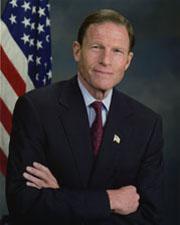
The Office of Management and Budget has officially released a memo directing agencies to expand the use of Login-dot-gov for user identity verification in a push to make it the universal sign-on for public services. In a six-page document dated Monday, OMB Director Russell Vought told agencies the absence of a clear strategy has led to agencies deploying various sign-on solutions and taking different approaches to digital identity management. Per the memo, that means users often need multiple sign-ons and the government pays more. “This policy enforces Login.gov as the universal sign-on for accessing public services online, enabling more seamless and efficient service delivery while safeguarding user privacy and supporting resilience against fraud and security threats,” Vought said in the memo. Official release of the policy comes after OMB recently circulated a draft version of the document to leaders for feedback. FedScoop obtained a copy of that draft and first reported on its contents last week. At the time, current and former officials viewed the policy as an effort to continue a longstanding push to establish a single sign-on for government. Login, which is run by the General Services Administration, was first envisioned under President Barack Obama, launched in 2017 during President Donald Trump’s first term and continued under President Joe Biden. It was created after Congress required that agencies establish a single sign-on platform for government website logins. A newly released whistleblower complaint reveals details about the “rushed” effort by the Trump administration and U.S. Postal Service to install three new restrictive IT systems that would potentially deny thousands of mail-in ballots, if the federal government disagrees on their eligibility. According to the complaint, written by attorneys at the nonprofit Whistleblower Aid and released by Sen. Richard Blumenthal, D-Conn., the individual is a federal employee with “direct knowledge of potentially catastrophic problems” related to USPS’ handling of mail-in ballots for the upcoming 2026 midterm elections. The person claims that USPS is deploying entirely “new and untested” IT systems, including a new Federal Ballot Mail Portal that would potentially give USPS more control over when and whether states receive federal mail ballots for their voters. The disclosure describes the portal and other systems as “new IT systems and corresponding protocols [that] will govern the delivery of ballots to voters as soon as the 2026 mid-term federal elections and beyond.” It calls the development process “secretive, rushed, chaotic and fundamentally flawed,” and part of a larger effort by agency leaders to rush implementation of the system ahead of the 2026 elections. The Daily Scoop Podcast is available every Monday-Friday afternoon. If you want to hear more of the latest from Washington, subscribe to The Daily Scoop Podcast on Apple Podcasts, Soundcloud, Spotify and YouTube.
The Office of Management and Budget has officially released a memo directing agencies to expand the use of Login-dot-gov for user identity verification in a push to make it the universal sign-on for…