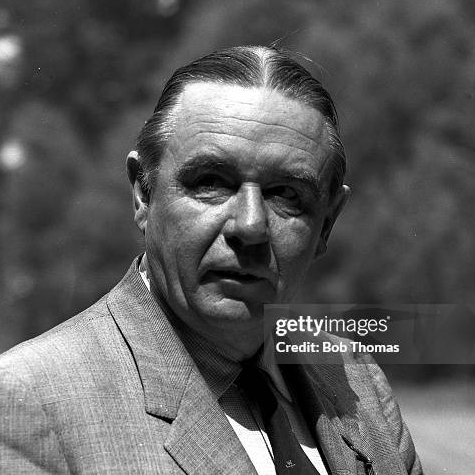
Richard FisherGuestTom MillsHost

So we're gonna cover them en passant, as it were, but we want to focus on and emphasize other things.

Tracing the way- tracing the year through starts in the pitch black at Rye in January 10th, 2026, ends in the autumn rains of Worplesdon later on in the season, and that's really the golfing year that Darwin and his peers would have recognized.
Is it fair to say that these Walker Cup years are the years that where a lot seems to happen in this era because this is when the golfing world come together, right?

And of course, the Walker Cup's gone to alternate years only very recently, 'cause when it starts, it's annually.

So the year starts, let's think about this now, starts in hilariously, really in the pitch black at Rye on a Sunday afternoon when Roger Wethered and Hugh Story, who between them played in eight Walker Cups, just to contextualize this, are contesting the final of the President's Putter.

And they get to the 24th, and by the time they get to the 24th on a Sunday afternoon, you can't see anything at all except the lights of the coastguard cottages, which in those days were ahead of them because for those of you who know Rye, at this point, there were three holes.

The fourth, fifth, and sixth were beyond the coastguard cottages in the dunes towards Camber.

And Darwin or somebody suggests on about the 24th, "Look, nobody can see a thing.

Both balls went on the putter, and so Story and Weatherhead shared the putter for 2020-- for 1926.

When I say they played in eight Walker Cups altogether, that's not quite the record because on the two occasions which Holdeness played Cyril Tolley, when they met in two finals, Holdeness won them both.

So the power of the field relatively in the weird worlds, and Sam and I have talked about this before, of amateur golf in, you know, in the 1920s is just astonishing.

One of the things we want to emphasize today, which to Sam's point about it being a pivotal year, is how new many of these events are, right? It's, we always think-
The rest of this transcript — segmented and speaker-labeled, so you land on the exact moment something was said
Search every transcript — by keyword, by phrase, or by meaning, across every show Radar indexes
Trends — what is surging across podcasts, measured against its own baseline
Alerts — when a name you follow appears in a newly indexed episode
No account is needed to search Radar.