Sep 9, 2026 · 35 min · 13 segments
In this episode of The Body GrieversⓇ Club, Bri reframes body trust as secure attachment to the body and explains that body grief is unavoidable because bodies change, get sick, and experience…
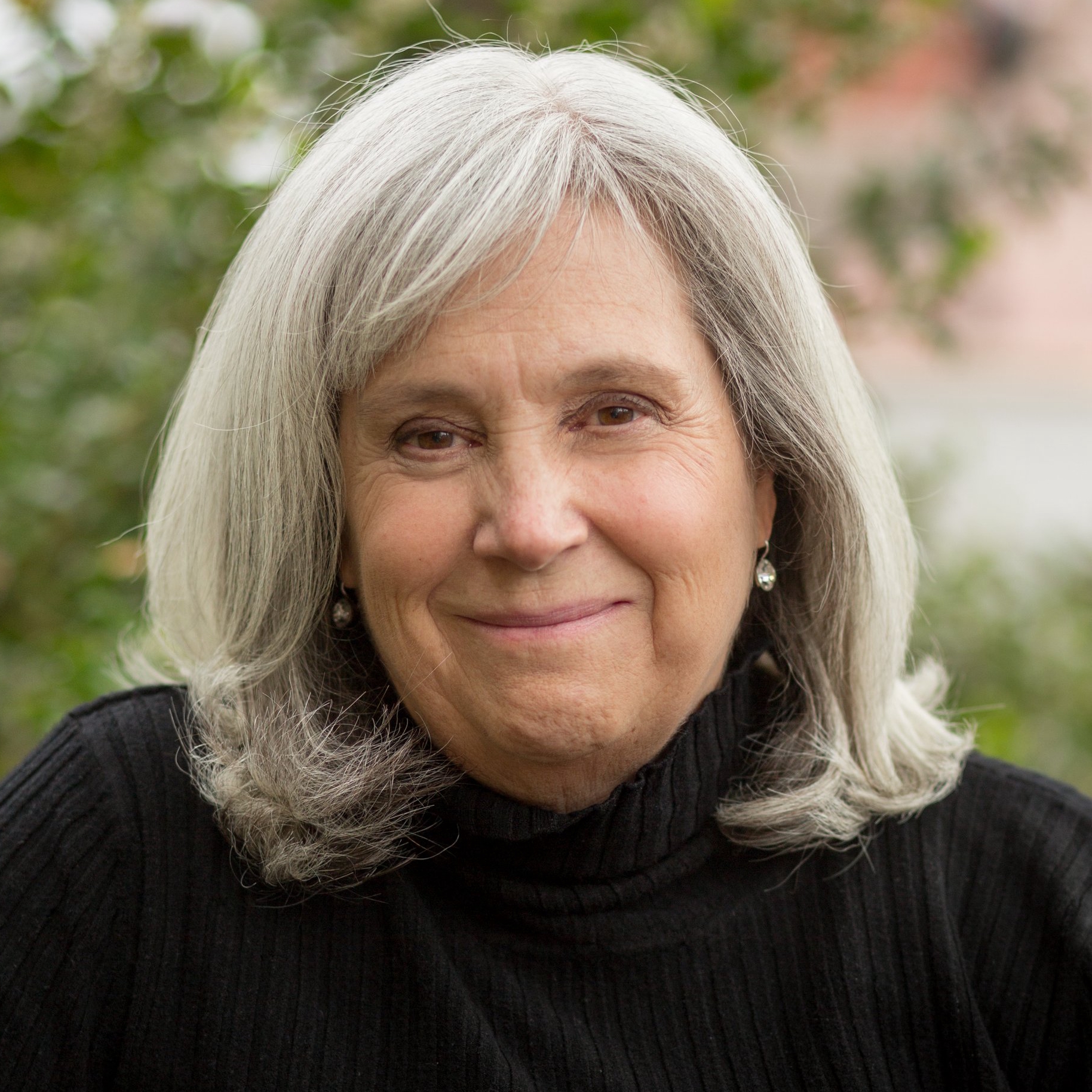
Bri CamposHost
Several months ago, actually, I think it was almost a year ago, I created a seven-step acronym to help folks who are struggling with their body image or their body grief to create a tangible roadmap of how do I even begin to do this work? And that's what tonight's podcast episode is going to be about.

Now, before I get into any of the seven steps, uh, I actually want to acknowledge something that I think is really important, and it's that I don't actually think that there are steps that you can take to just heal your body image.

Like, I don't think that there are just like, do these seven things and then you, you will be healed.

And if you're anything like me, in your life, the body grief has felt so debilitating, so paralyzing.

You have probably read books, listened to podcasts, done worksheets, tried to talk about it in therapy, tried to talk about it with your friends.

And if you're still feeling stuck, my theory for why that is, is because we're still trying to deal with it in the cognitive.

We're still trying to think our way out of body distress when what we need to do is take it into the body, is doing that somatic work.

But here's the issue, is that so many times we are disregarding, we are not listening to what our body is saying because the logic gets in the way.

So if you've ever had body image that causes you distress, and then you've used that as evidence of like, "See, I, I can't explore this," the more we don't explore, the more it's just gonna stay stuck.

We can hold it down for a long time, but at some point we have to bring the beach ball up, otherwise it's gonna pop up on its own, and usually when it's inconvenient and we least expect it.

And so I created seven tangible, repeatable steps for folks to navigate through their own body grief, um, because it was what I needed when I was struggling, when I was in the depths of my body grief and I felt like, "Just give me something to do.

Give me something tangible that I can work with so that I can make the suck suck a little bit less." And so the acronym that I have, if you have been around for a while, it used to spell out my name, but I have revamped it and now it spells out griever, which I have trademarked the word body griever.

I think that with time and intentionality, I do believe that these steps can help create shifts towards healing, but I think that what's more important than just the learning of the steps is the application of them.

We have to take it out of our brain and into our bodies, into the lived experience in a trauma-informed way.
The rest of this transcript — segmented and speaker-labeled, so you land on the exact moment something was said
Search every transcript — by keyword, by phrase, or by meaning, across every show Radar indexes
Trends — what is surging across podcasts, measured against its own baseline
Alerts — when a name you follow appears in a newly indexed episode
No account is needed to search Radar.