Jul 10, 2026 · 42 min · 13 segments
Roivant CEO Matt Gline calls the company’s move beyond spinning out subsidiary “vants” to concentrating on late-stage programs and commercial launches less a pivot than an evolution toward an original…
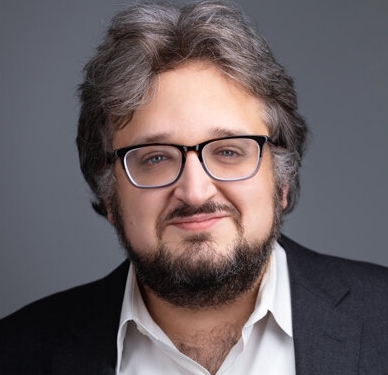
Matt GlineGuest
Lindsay MartinHost
So Roivant has historically been known for its hub and spoke model, building value by spinning out subsidiary companies with in-license programs known as vants that each operate like startups, and a number of these have been successfully acquired by bigger pharmas.

But the company is now pivoting to become a more traditional development and commercialization, uh, company, and you've got a near-term commercial launch with, uh, breprocitinib for dermatomyosititis, and this is a big change.

Um, so I'm curious, like, can you talk a little bit about why pivot and why now, and walk us through the decision to pivot and what actually changed in how you're thinking about the business model.

And it's funny, you know, I, you, you said the word pivot a few times in that call, and it just makes me think.

But you start out as a company, and you've, you've kind of got to make it work no matter how you can.

A- and frankly, like, as a biotech company on day one, the risks to success are so i- immeasurably large that it's, like, impossible to conceive of the end game.

We'd like to have a drug on the market." But in the meantime, you take what you can get.

We had companies that we took public because that was the best way to raise the money.

We had companies that we sold because it was the best way to sort of see the assets get commercialized successfully.

A- a- and so in some ways, where we're at right now just represents, like, the privilege of our past successes that we finally reached a point where we can do the thing that I think we would've said we wanted to do from the beginning.

We just, like, didn't quite have the right combination of capital and assets and opportunity.

So Roivant has historically been known for its hub and spoke model, building value by spinning out subsidiary companies with in-license programs known as vants that each operate like startups, and a number of these have been successfully acquired by bigger pharmas.

But the company is now pivoting to become a more traditional development and commercialization, uh, company, and you've got a near-term commercial launch with, uh, breprocitinib for dermatomyosititis, and this is a big change.

Um, so I'm curious, like, can you talk a little bit about why pivot and why now, and walk us through the decision to pivot and what actually changed in how you're thinking about the business model.

And it's funny, you know, I, you, you said the word pivot a few times in that call, and it just makes me think.

But you start out as a company, and you've, you've kind of got to make it work no matter how you can.

A- and frankly, like, as a biotech company on day one, the risks to success are so i- immeasurably large that it's, like, impossible to conceive of the end game.

We'd like to have a drug on the market." But in the meantime, you take what you can get.

We had companies that we took public because that was the best way to raise the money.

We had companies that we sold because it was the best way to sort of see the assets get commercialized successfully.

A- a- and so in some ways, where we're at right now just represents, like, the privilege of our past successes that we finally reached a point where we can do the thing that I think we would've said we wanted to do from the beginning.

We just, like, didn't quite have the right combination of capital and assets and opportunity.
The rest of this transcript — segmented and speaker-labeled, so you land on the exact moment something was said
Search every transcript — by keyword, by phrase, or by meaning, across every show Radar indexes
Trends — what is surging across podcasts, measured against its own baseline
Alerts — when a name you follow appears in a newly indexed episode
No account is needed to search Radar.